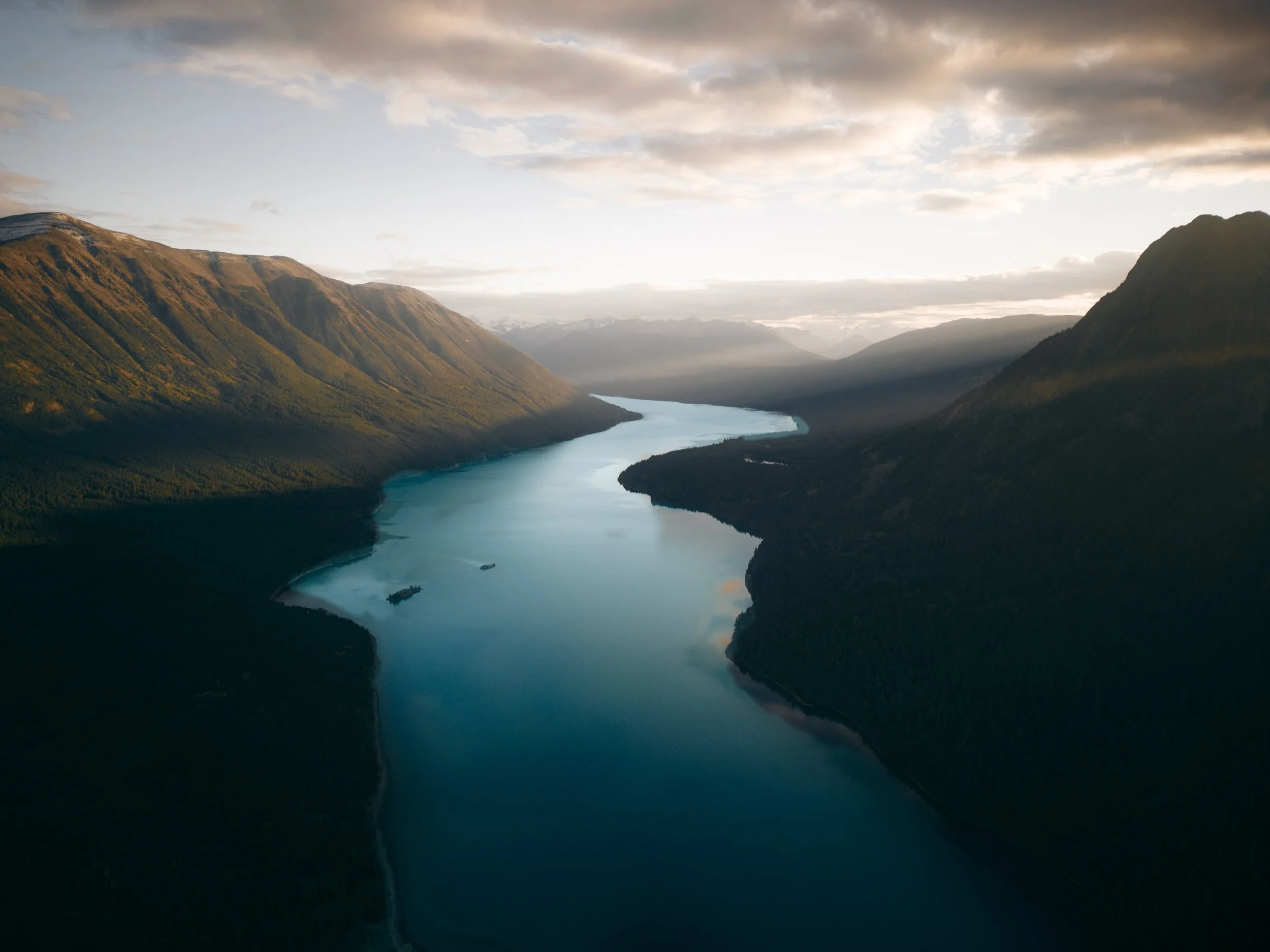
The FEAST OF CHILKO
(Tŝilhqox Biny)
The Monumental Migration of Sockeye Salmon into the WAITING Claws of Hyperphagic Grizzly Bears
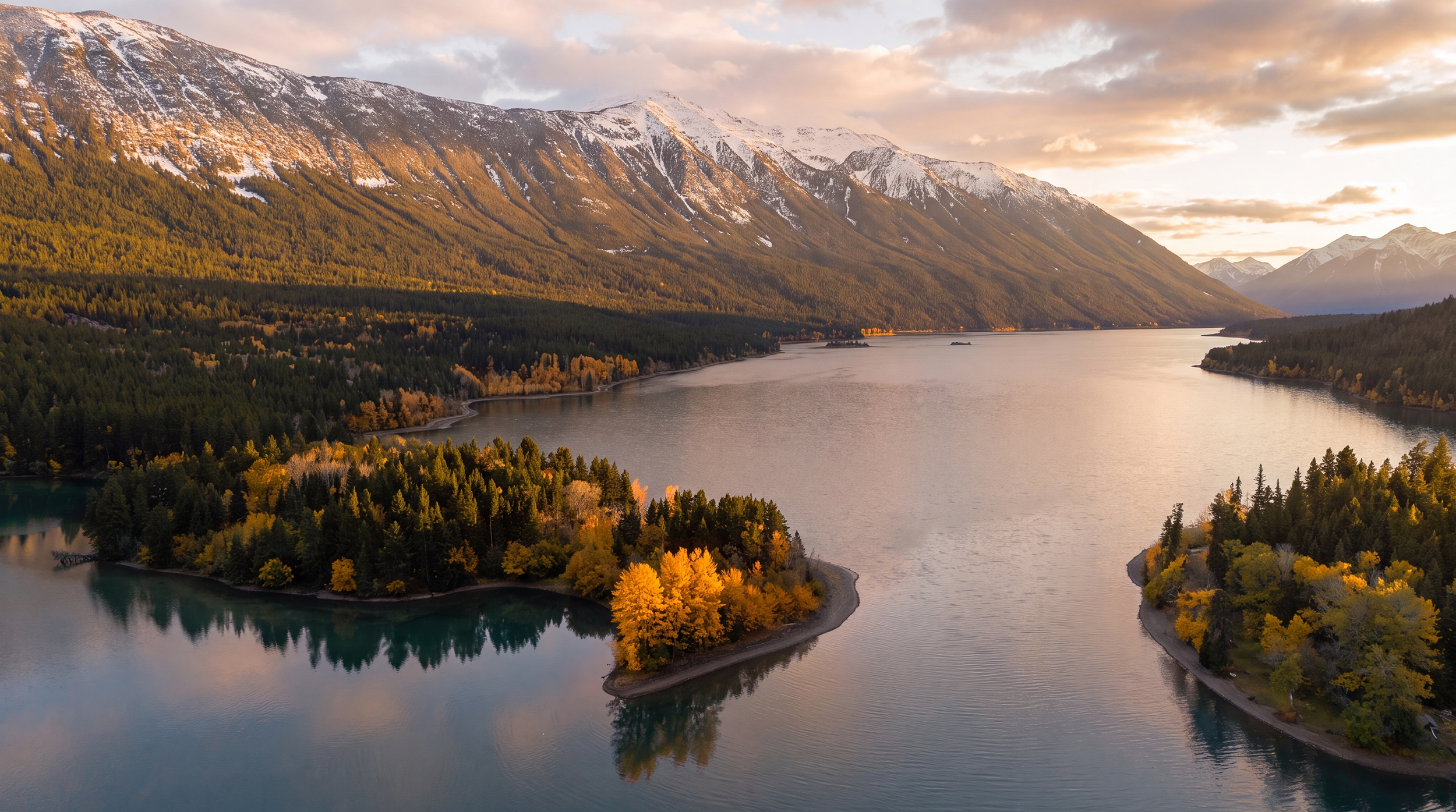
For millions of years, one of nature’s greatest migrations has unfolded in the wilds of Chilko, where the survival of salmon and grizzlies becomes inextricably linked.
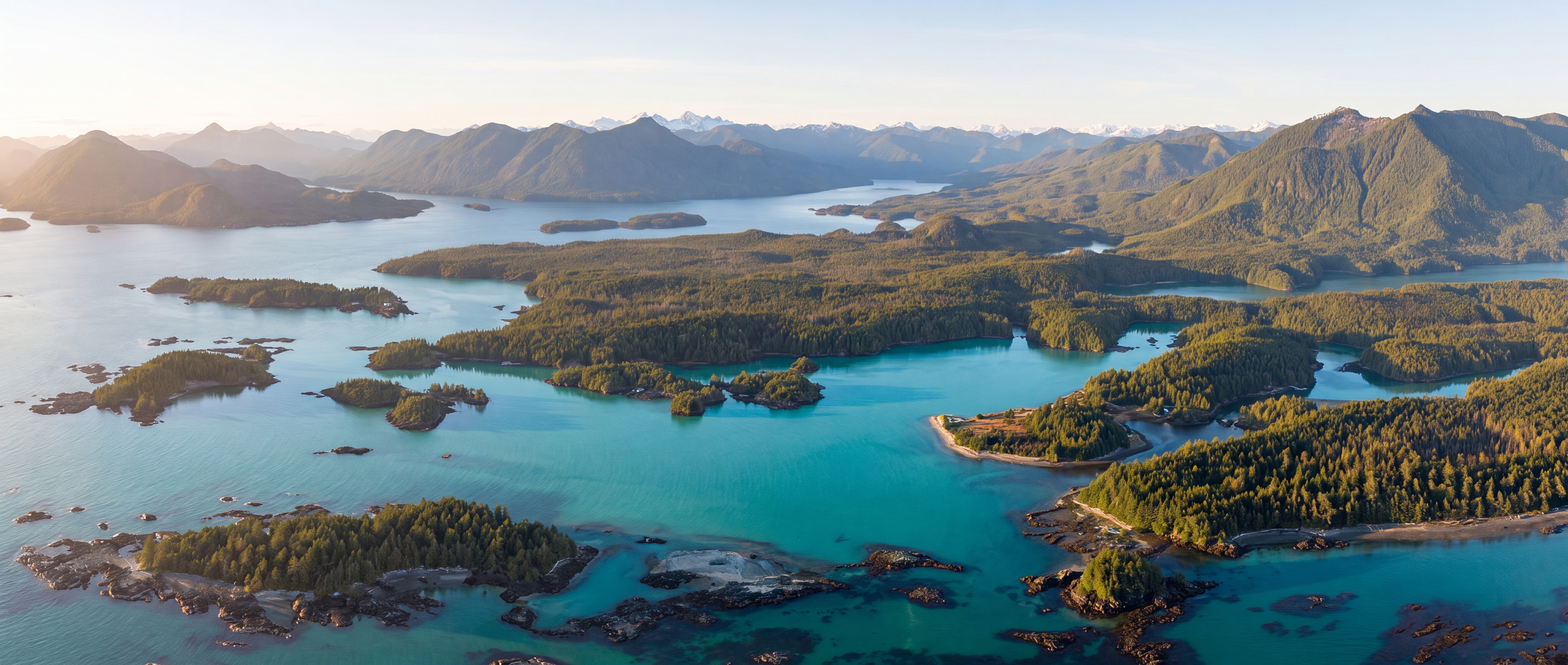
This story is the lifeblood of the Pacific Northwest. Arguably the most important annual event in the region’s ecological calendar, it determines the survival of countless species. Each year, an immense transfer of marine nutrients begins as millions of sockeye salmon leave the Pacific Ocean and return to the rivers of British Columbia, carrying the energy of the sea deep into its forests and mountains.
This extraordinary process depends on a cast of interconnected players. Salmon, grizzly bears, wolves, eagles, ravens, insects, fungi, and forests each perform a vital role in a cycle that has shaped these landscapes for millions of years. Without it, this ecosystem simply could not exist in the form we know today.
As this ancient and intricately connected drama unfolds across British Columbia, remarkable moments emerge—offering a rare glimpse into one of the greatest wildlife spectacles on Earth.
Since 2021 I have been covering this incredible event watching how it varies every year, seeing how the numbers of predators and prey fluctuate as well as the variations in weather, wildlife activity and even geological events affect the existential journey of all the characters involved.
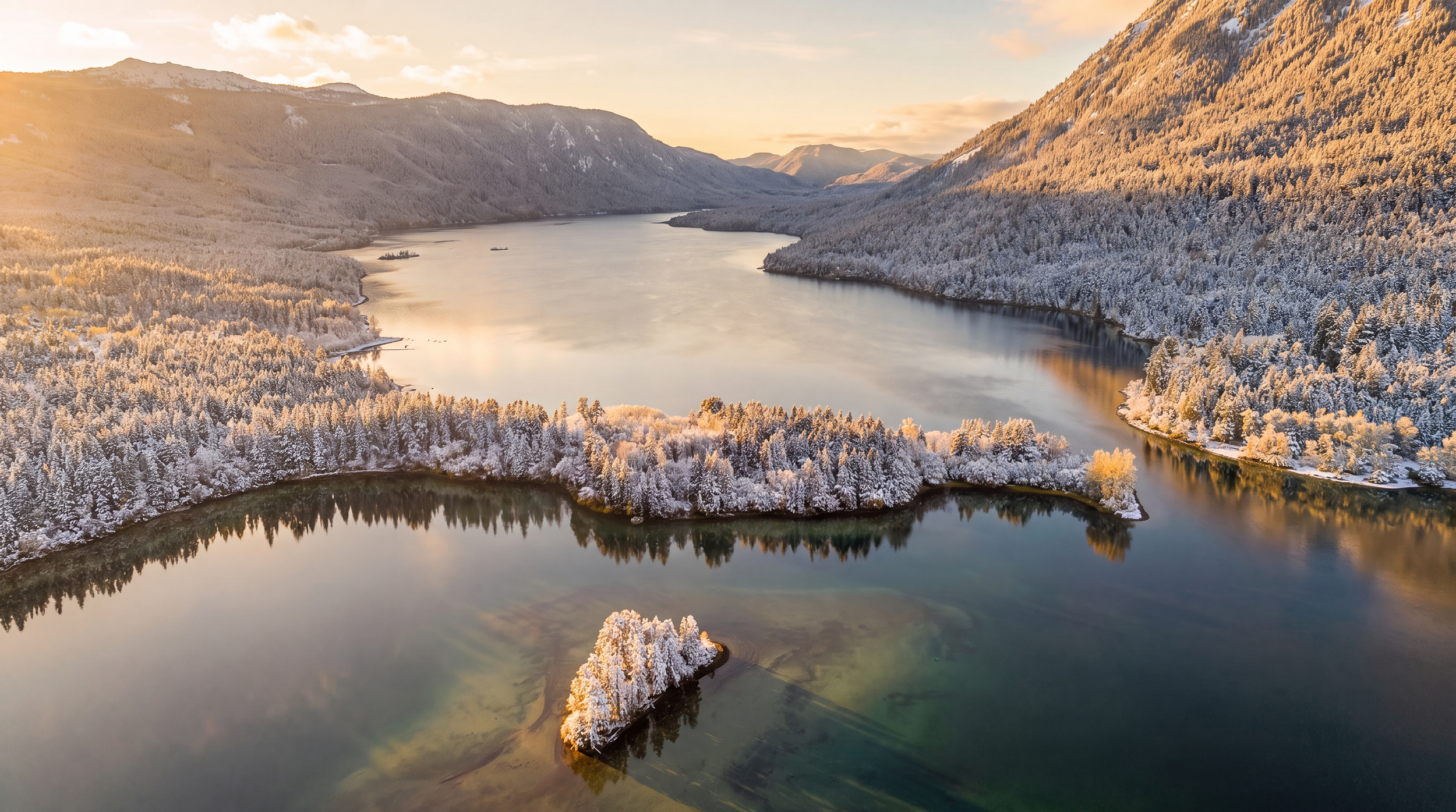
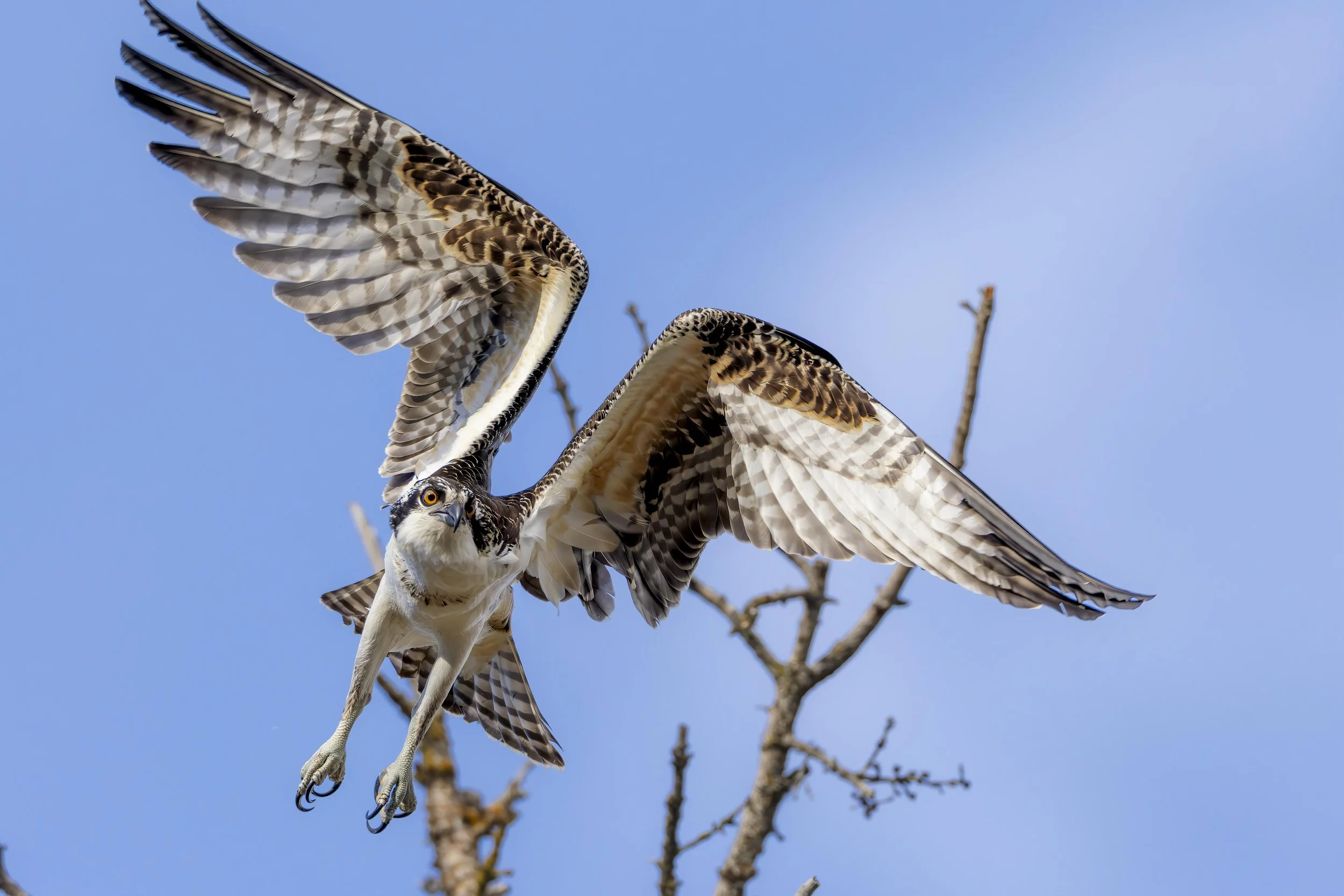
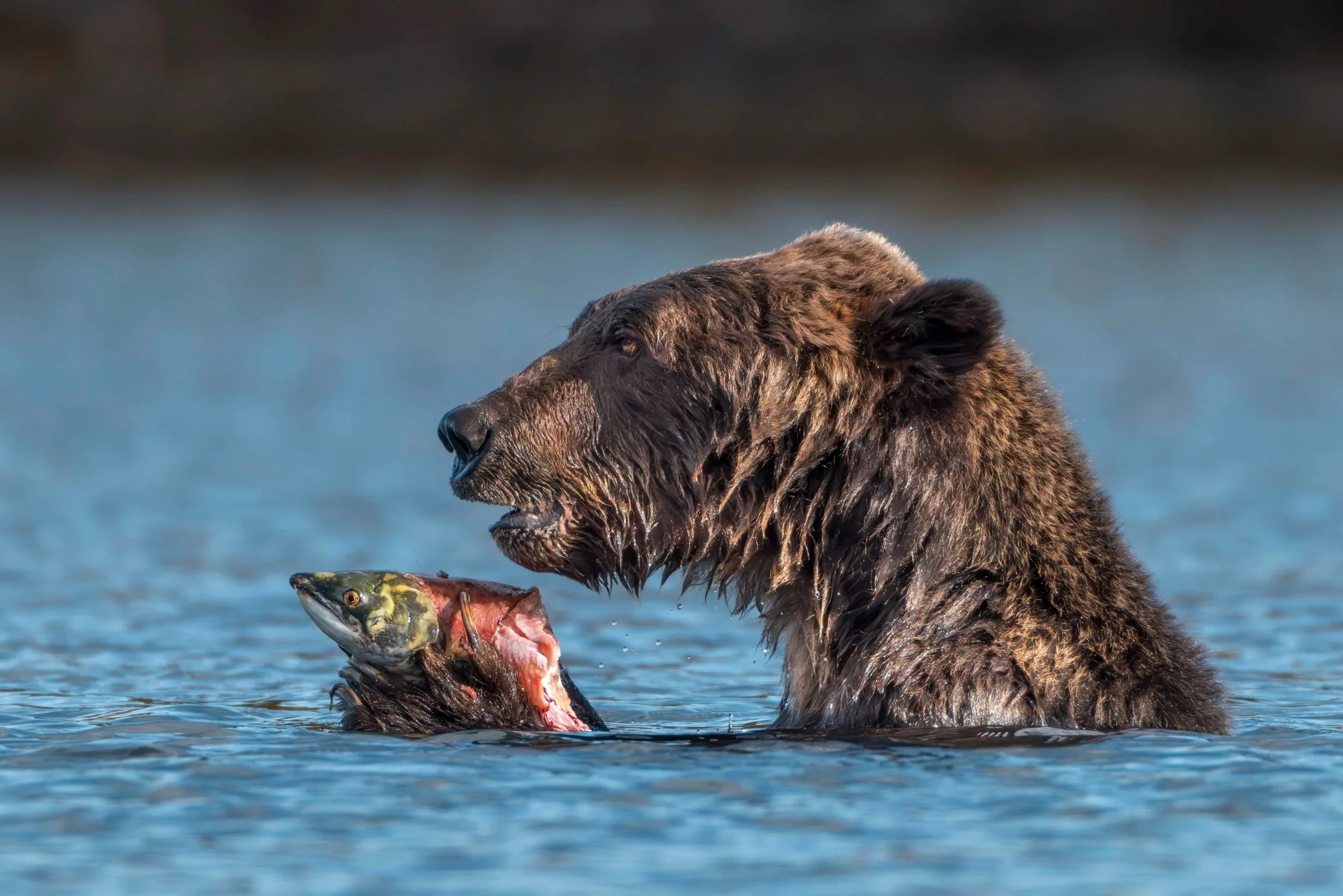
Twelve million years ago a four hundred pound, nine foot salmon patrolled these Pacific waterways, a giant we now call the spike toothed salmon, carrying tusks that stuck out sideways like a warthog. FIFTY million years ago the first known salmon-like fish called the Eosalmo inhabited the freshwater lakes around Smithers in BC
Around 11,000 years ago, as the ice pulled back the salmon reclaimed the fraser river and its tributaries, this is the start of the salmon run as we know it today. Its clear that at the very start of this process humans were already involved. The earliest record of people benefiting from the salmon run in North America is about 11,500 years ago, from a site in Alaska where archaeologists found chum salmon bones in an ancient hearth.
For me, this is where the human story becomes most compelling. It is also the part of this project that has been most absent from my work. It is something I am actively trying to understand and learn from, so I ask forgiveness for any mistakes, omissions, or gaps in the visual narrative.
It is also important for me to acknowledge that I live and work on lands that are not my own. I try to move carefully, not only through these landscapes but also within their cultural history, knowing that I can never fully understand the experiences of Indigenous peoples, nor the loss and suffering brought about through colonization, of which my own ancestors were a part.
What I can do is approach these places with humility, remain willing to listen and learn, and use my photography to help tell stories that deserve to be seen and heard. Whether it is the salmon, the forests, the predators, or the Indigenous communities whose voices have too often been overlooked throughout the colonial history of this land, I hope these images encourage people to look more closely, ask questions, and appreciate the deep connections that bind them all together.
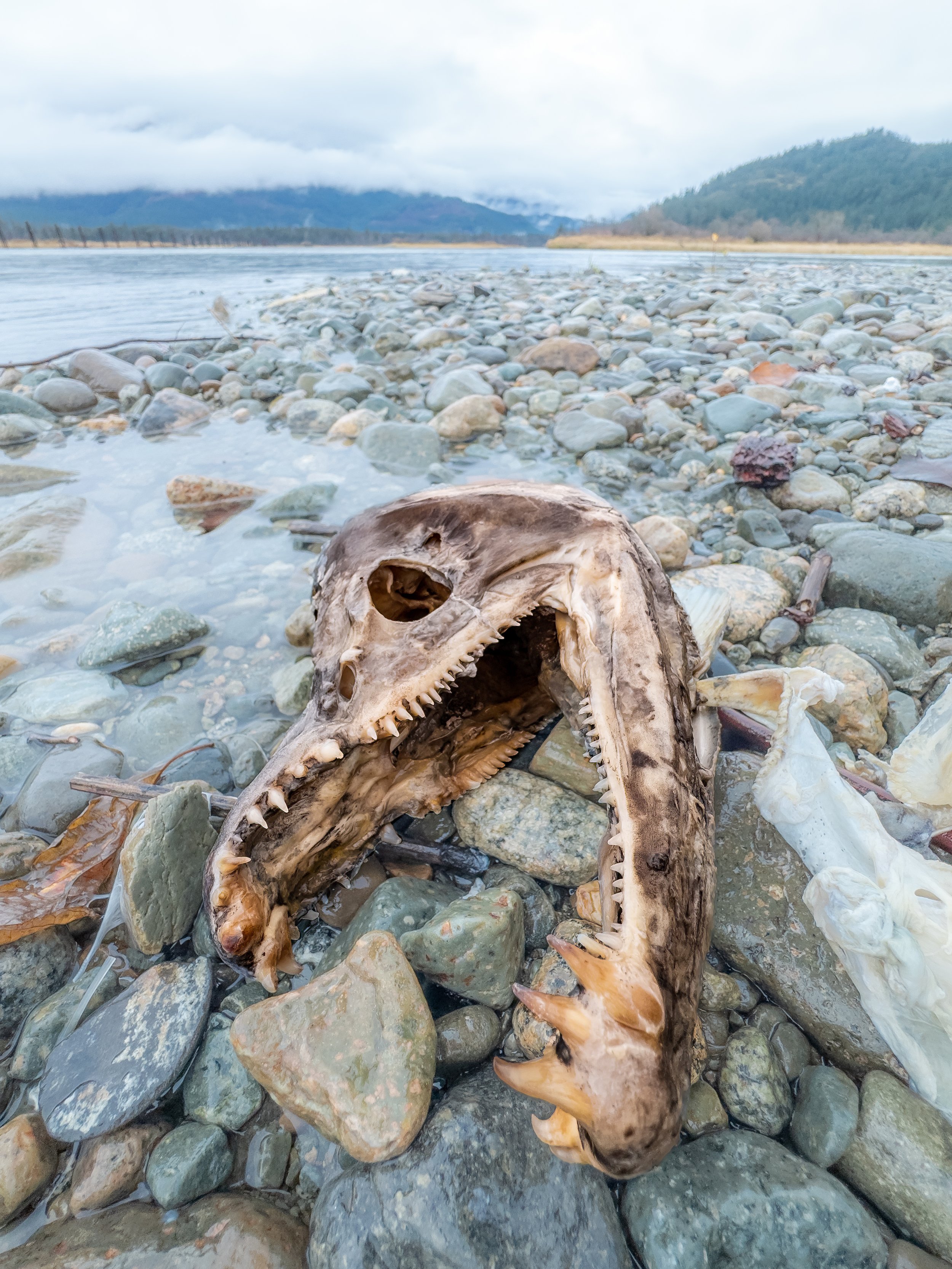
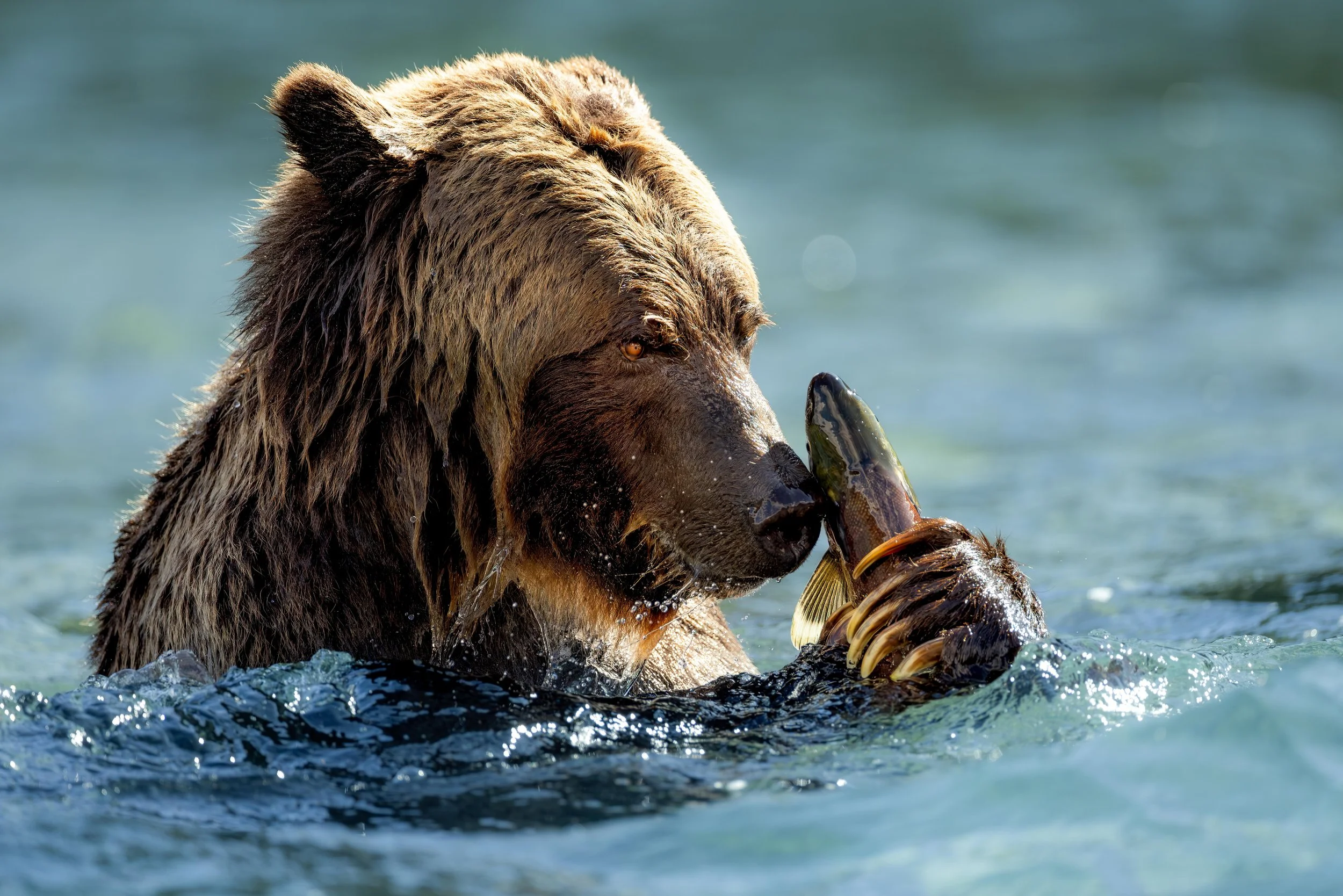
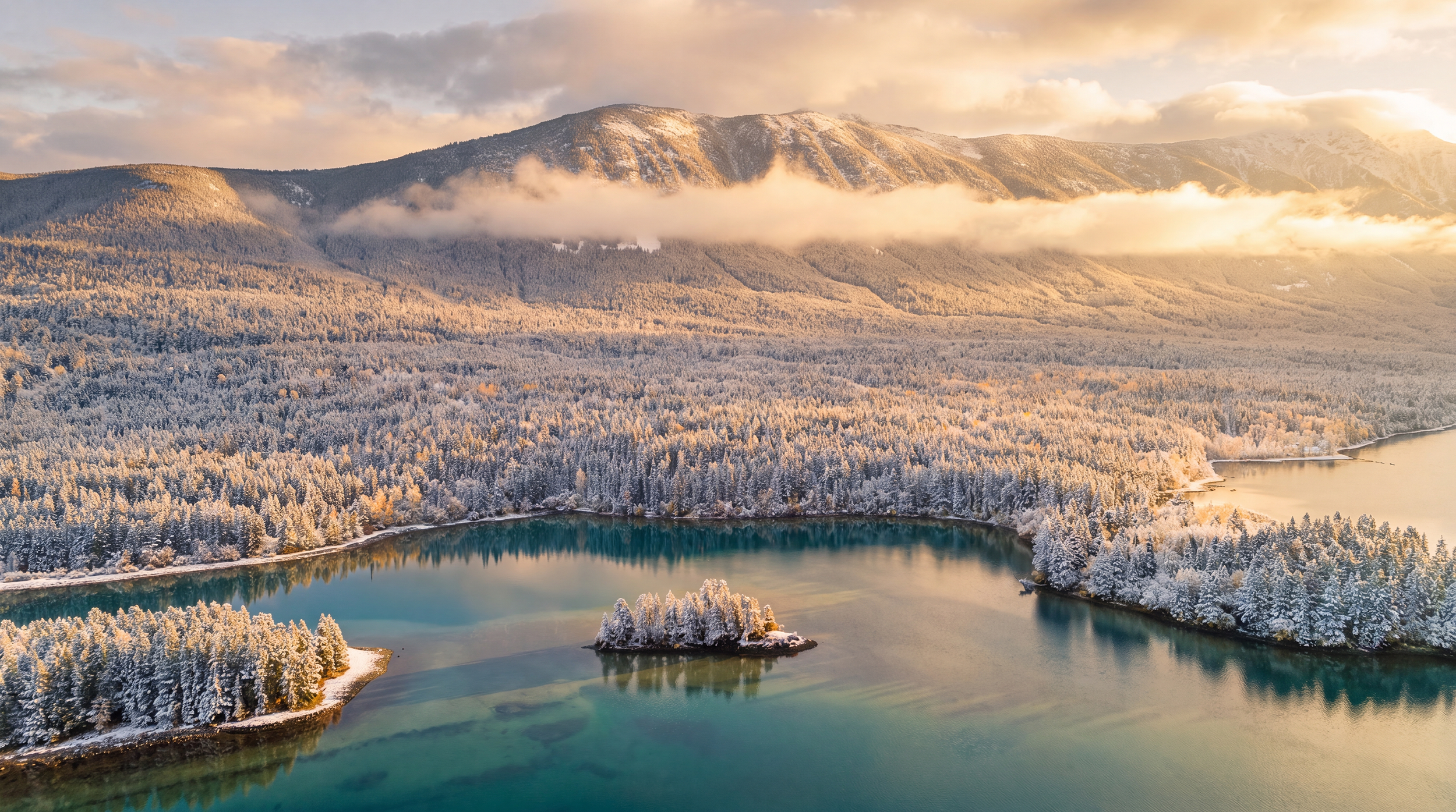
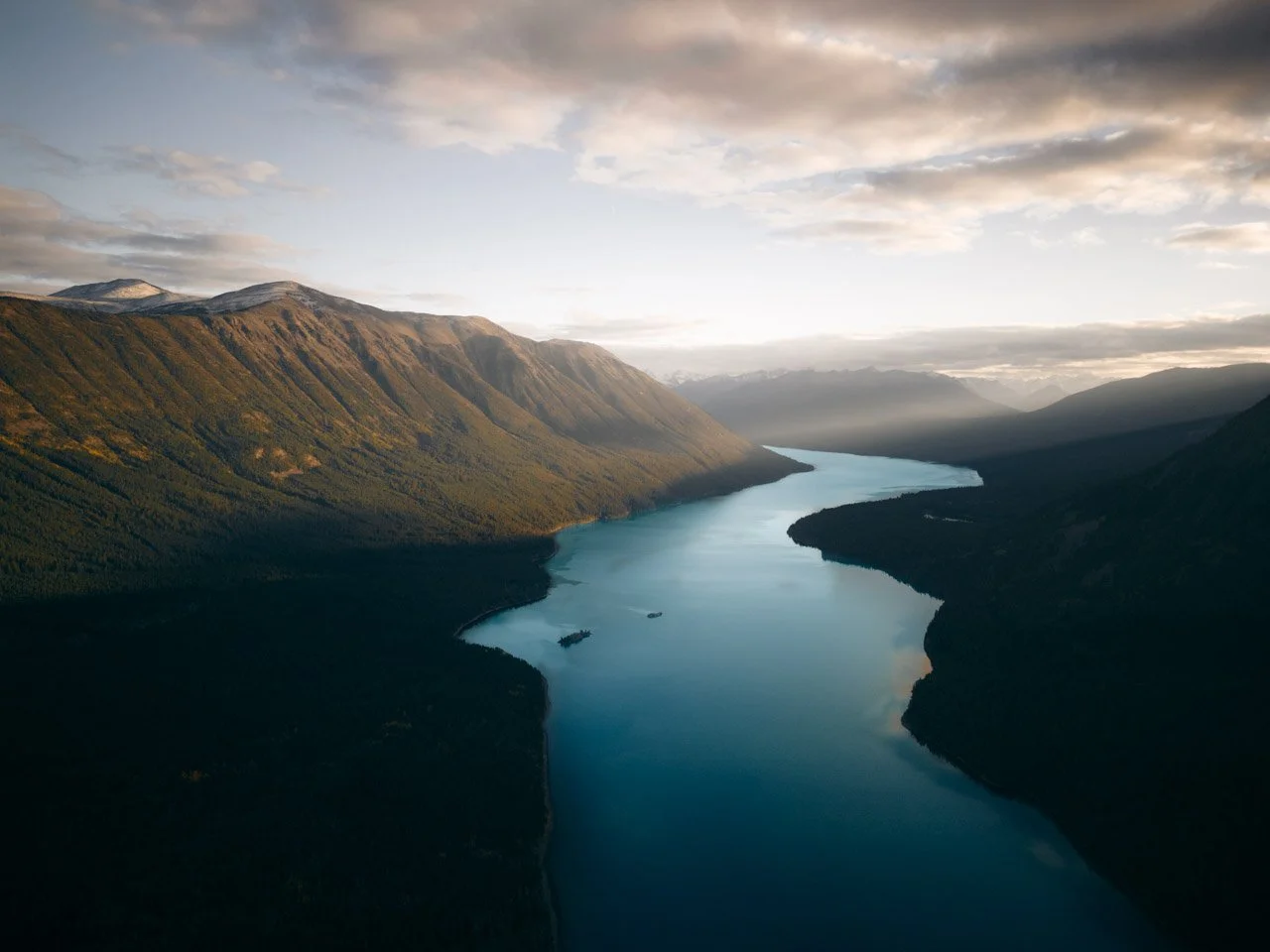
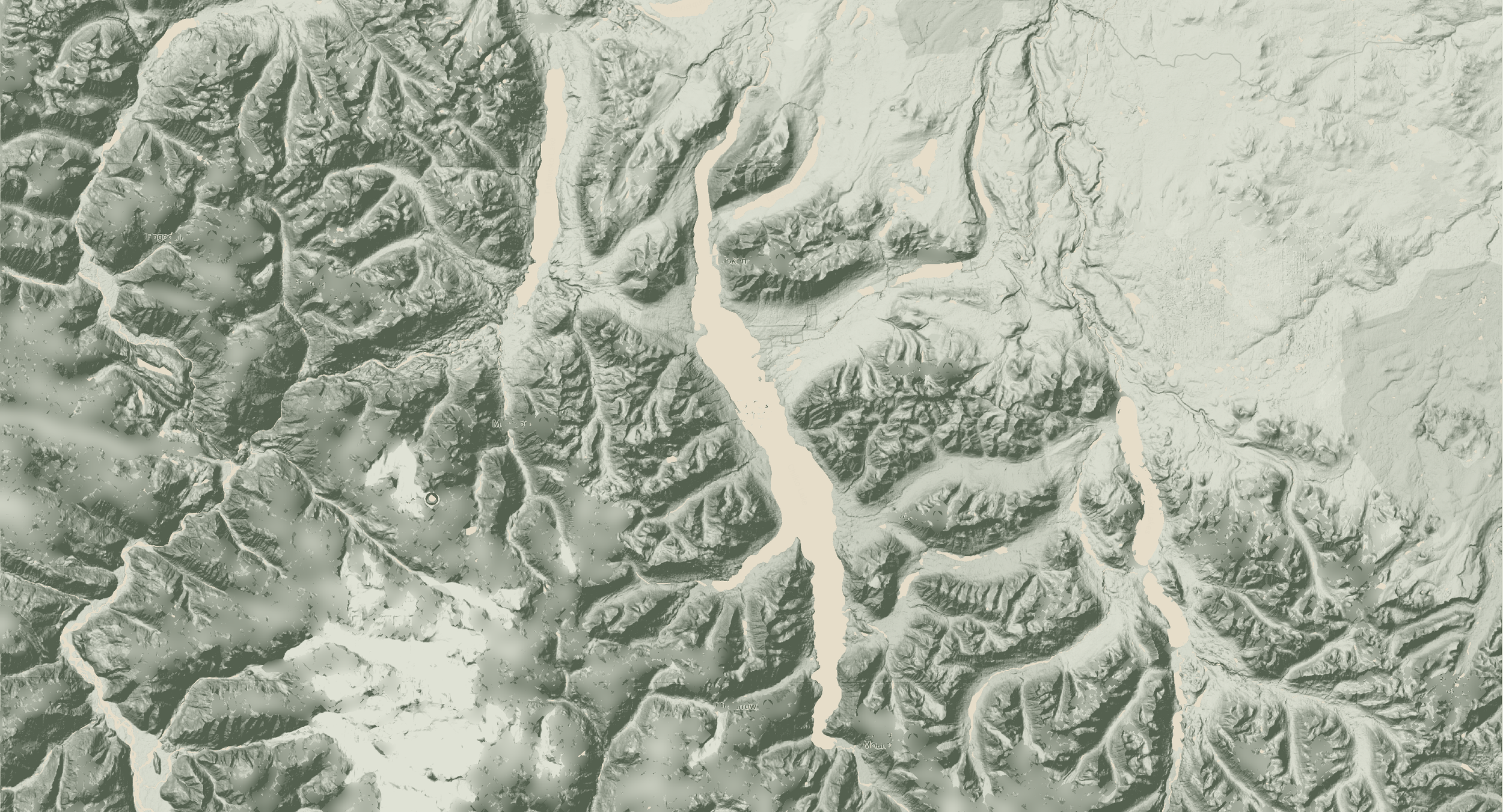
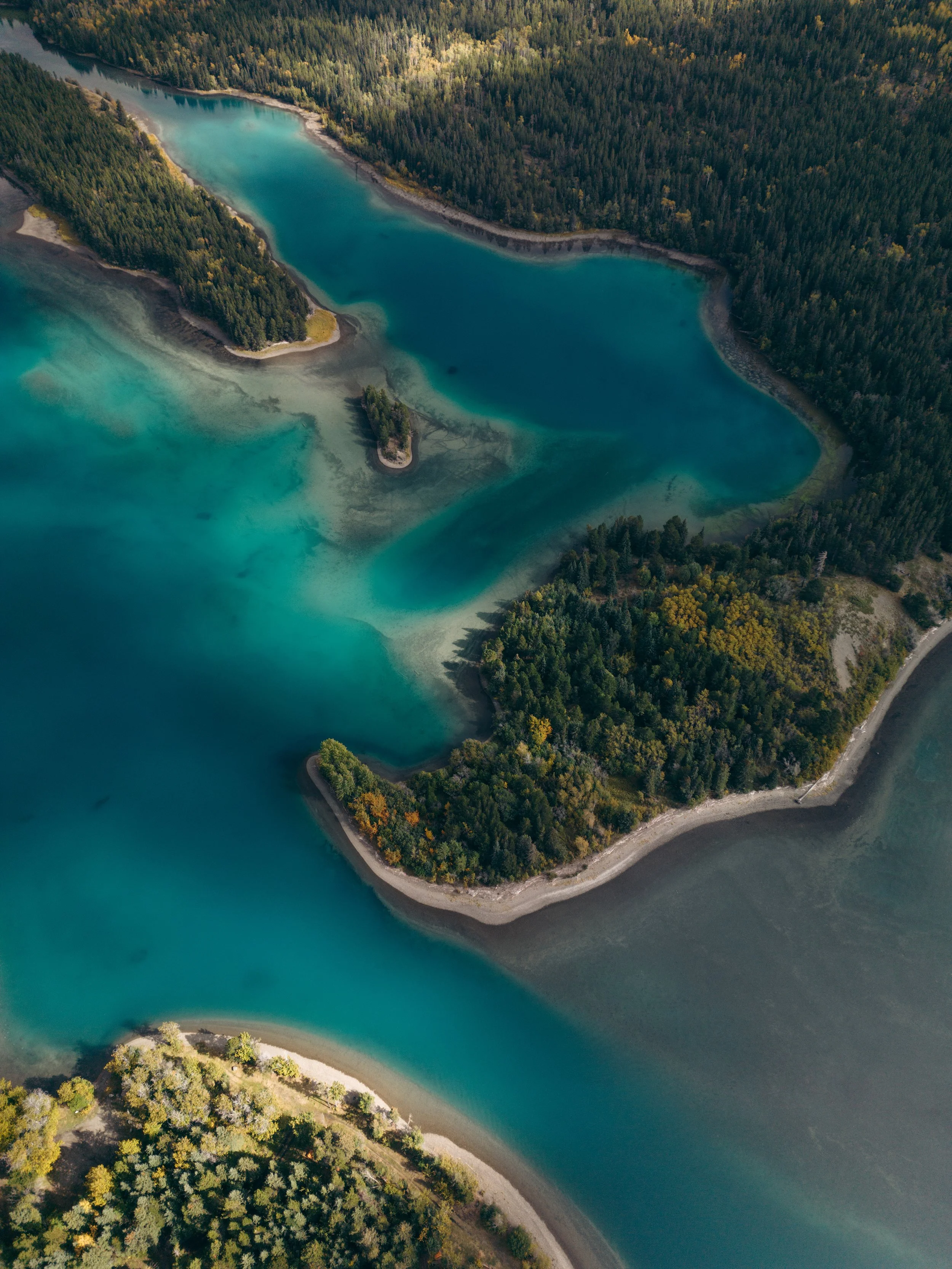
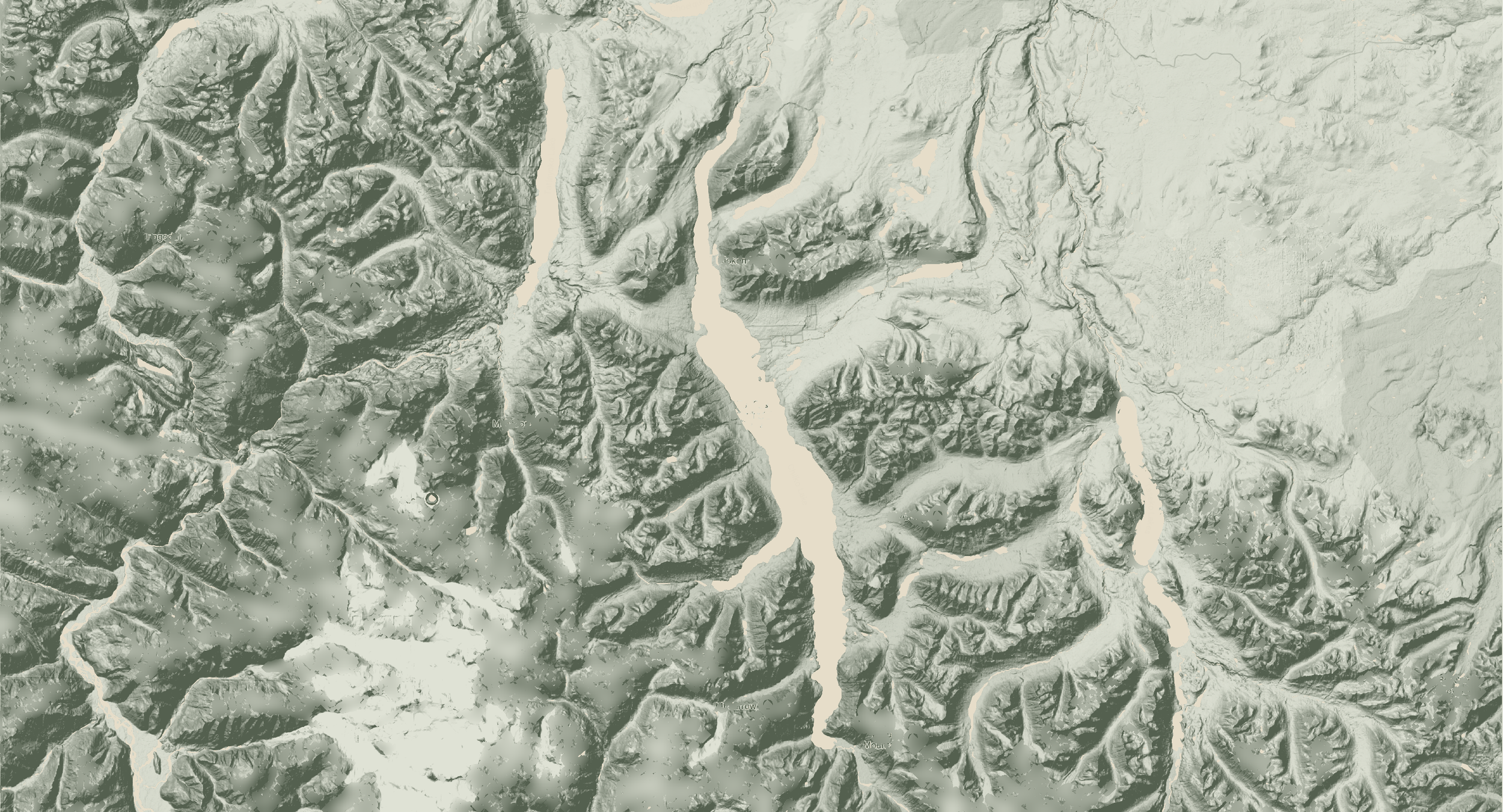
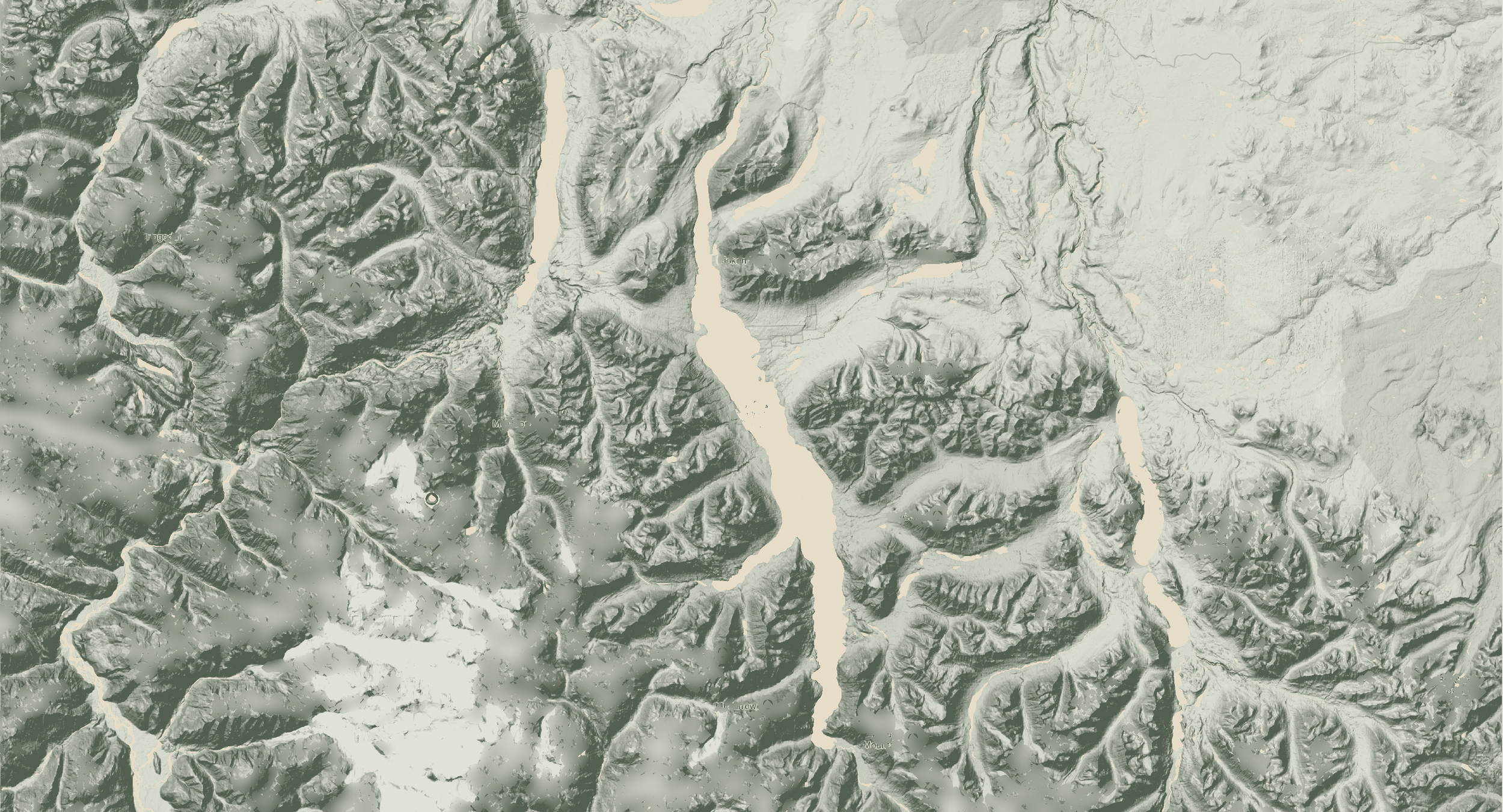
The Chilko Lake area is the heart of Tsilhqot'in (sill-ko-teen) territory, and specifically the land of the Xeni Gwet'in (hun-ee gwet-een)
The people are the Tsilhqot'in, which means roughly "people of the river," the river being the Chilcotin. They're a Dene people, part of the Athabaskan language family, which makes them distinct from the Coast Salish and Carrier nations around them, and they've lived on this plateau for thousands of years. Of the six Tsilhqot'in communities, the one whose territory holds Chilko Lake is the Xeni Gwet'in, based in the Nemiah Valley between Chilko and Konni lakes. Above the lake stands Ts'yl-os (Mount Tatlow), a mountain they hold sacred, so sacred that the provincial park there, Ts'il?os, carries its name and is co-managed with the nation.
Their traditional life ran on the seasons, and salmon was the hinge of it. For most of the year families dispersed across the plateau to hunt and gather, then converged in late summer for the salmon run before moving to winter camps beside the lakes and living in pit houses, semi-underground homes, fishing through the ice. So the run wasn't just food, it was the event the whole year was built around, and had been for a very long time before anyone else arrived.
In 1864 the Tsilhqot'in resisted a road crew pushing into their territory, in what became the Chilcotin War, and six of their chiefs were lured to talks under a flag of truce and hanged. British Columbia formally exonerated them in 2014 and Canada apologised in 2018. And in that same year, 2014, the Supreme Court of Canada handed down Tsilhqot'in Nation v. British Columbia, the first ruling in the country's history to grant Aboriginal title to a specific territory, roughly 1,700 square kilometres of the Xeni Gwet'in heartland around Chilko. It was a landmark and it means the land is legally, as well as ancestrally, Tsilhqot'in ground.
The Migration
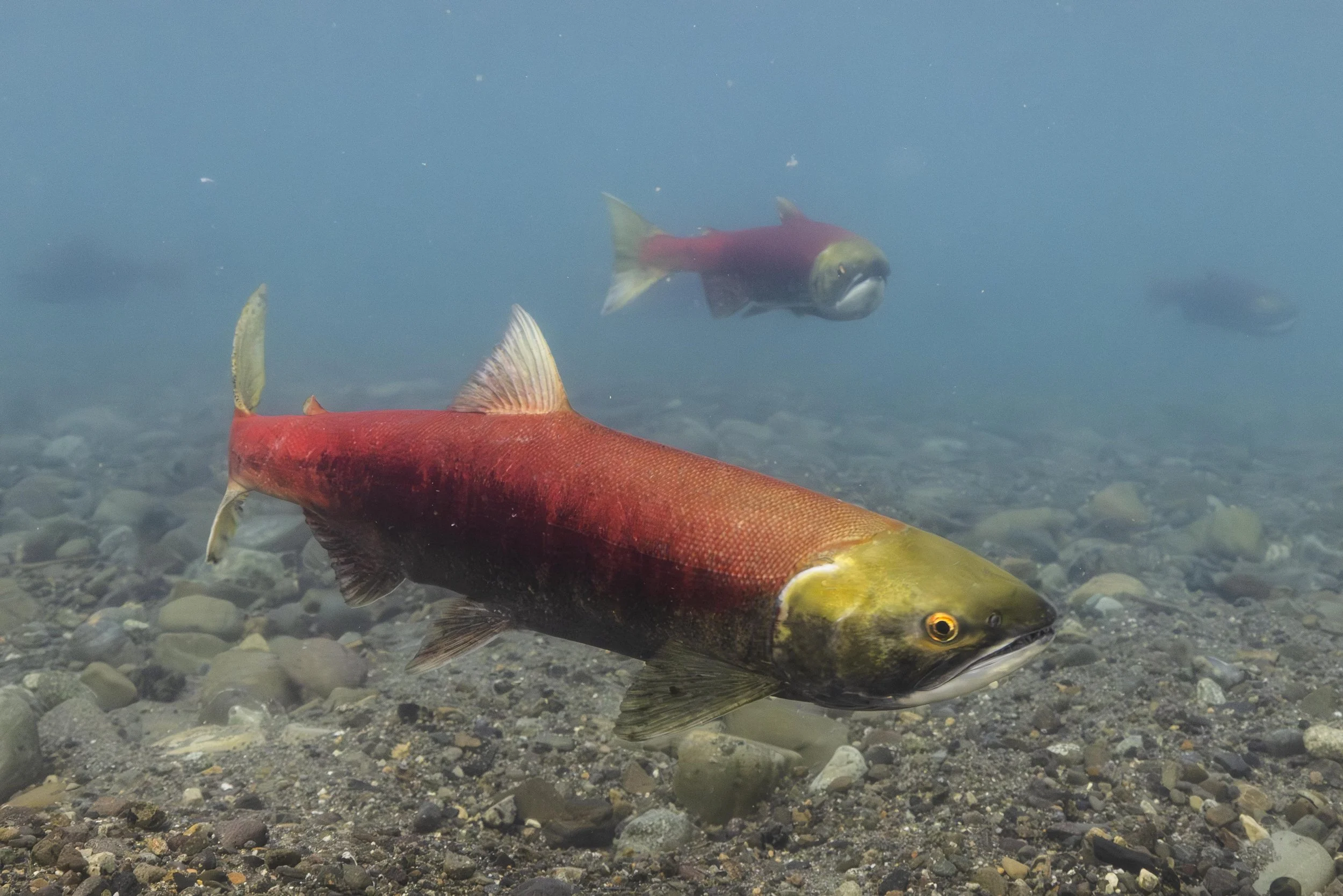
The Chilko sockeye, (a unique and locally adapted population of salmon born in Chilko Lake) stop eating the moment they leave saltwater and burn stored body fat for the entire 650 km climb of roughly 1,170 m, all the way to the lake they hatched in.
A sockeye typically lives about four years: one to two years rearing in Chilko Lake as a juvenile, then two to three years out in the North Pacific, before turning around and coming home to the exact gravel it was born on.
They navigate by two senses. Out at sea they're thought to use the Earth's magnetic field, and in freshwater they follow their nose, homing on the unique smell of their birth stream with enough precision to find the right tributary out of the entire Fraser system.
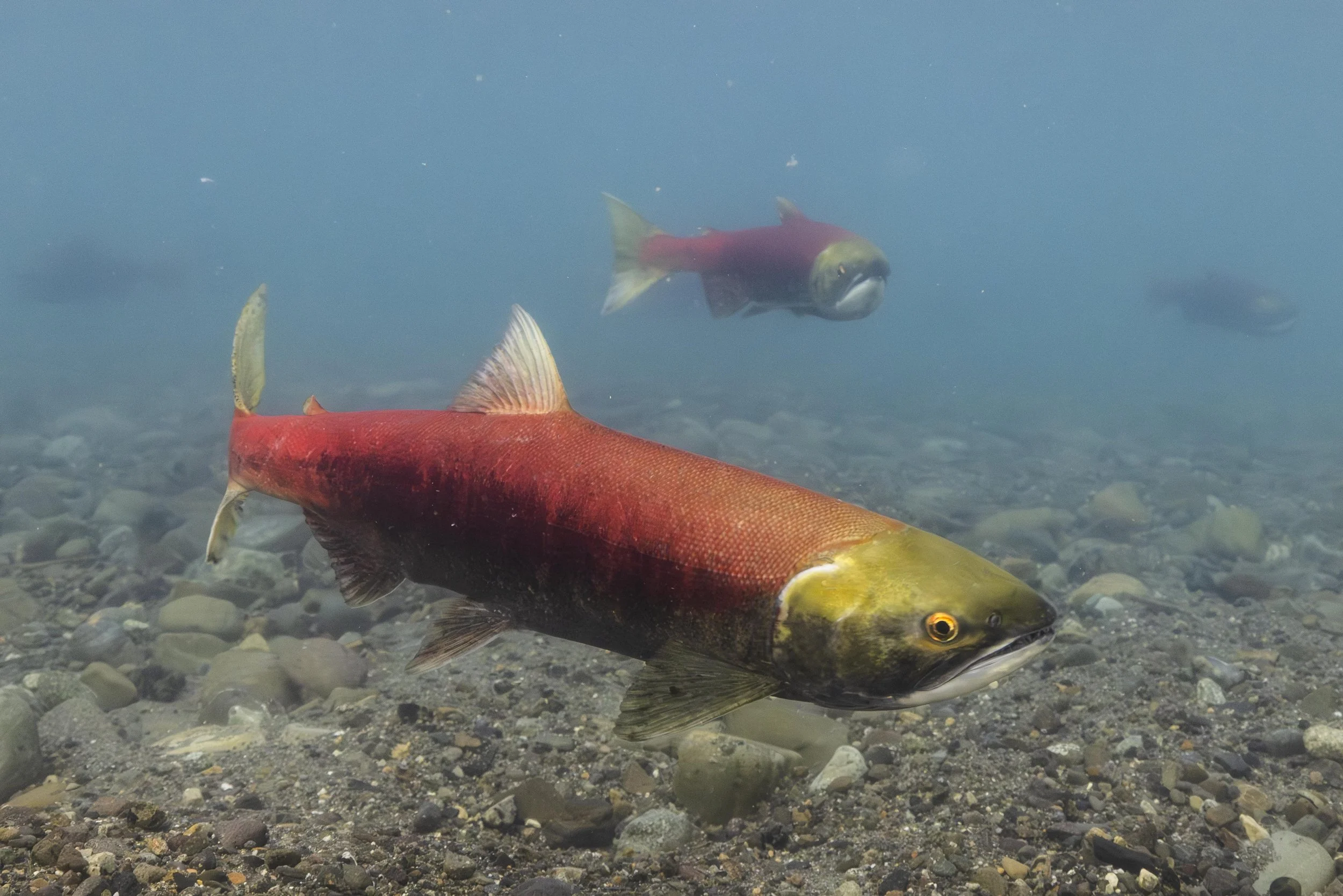
They rebuild their own bodies for the finish. Entering the river silver, they turn deep crimson with a green head, and the males grow a humped back and a hooked jaw, called a kype, purely for the spawning fight ahead.
Chilko fish are elite athletes. Because their migration is one of the hardest in the Fraser system, UBC research (Eliason and colleagues) found the Chilko population has evolved a bigger cardiac and aerobic capacity and better heat tolerance than easier-run populations. They're bred for this exact river.
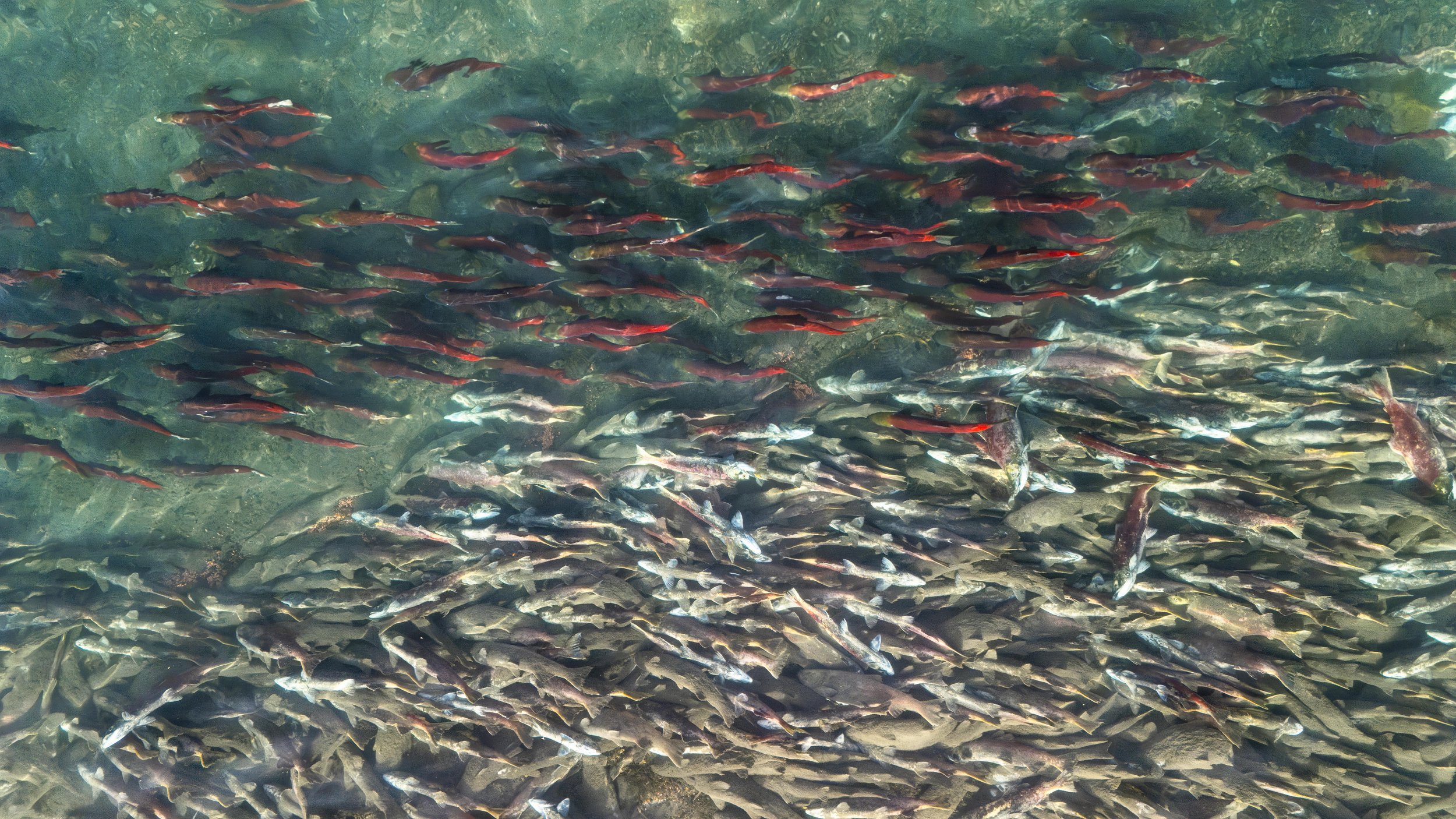
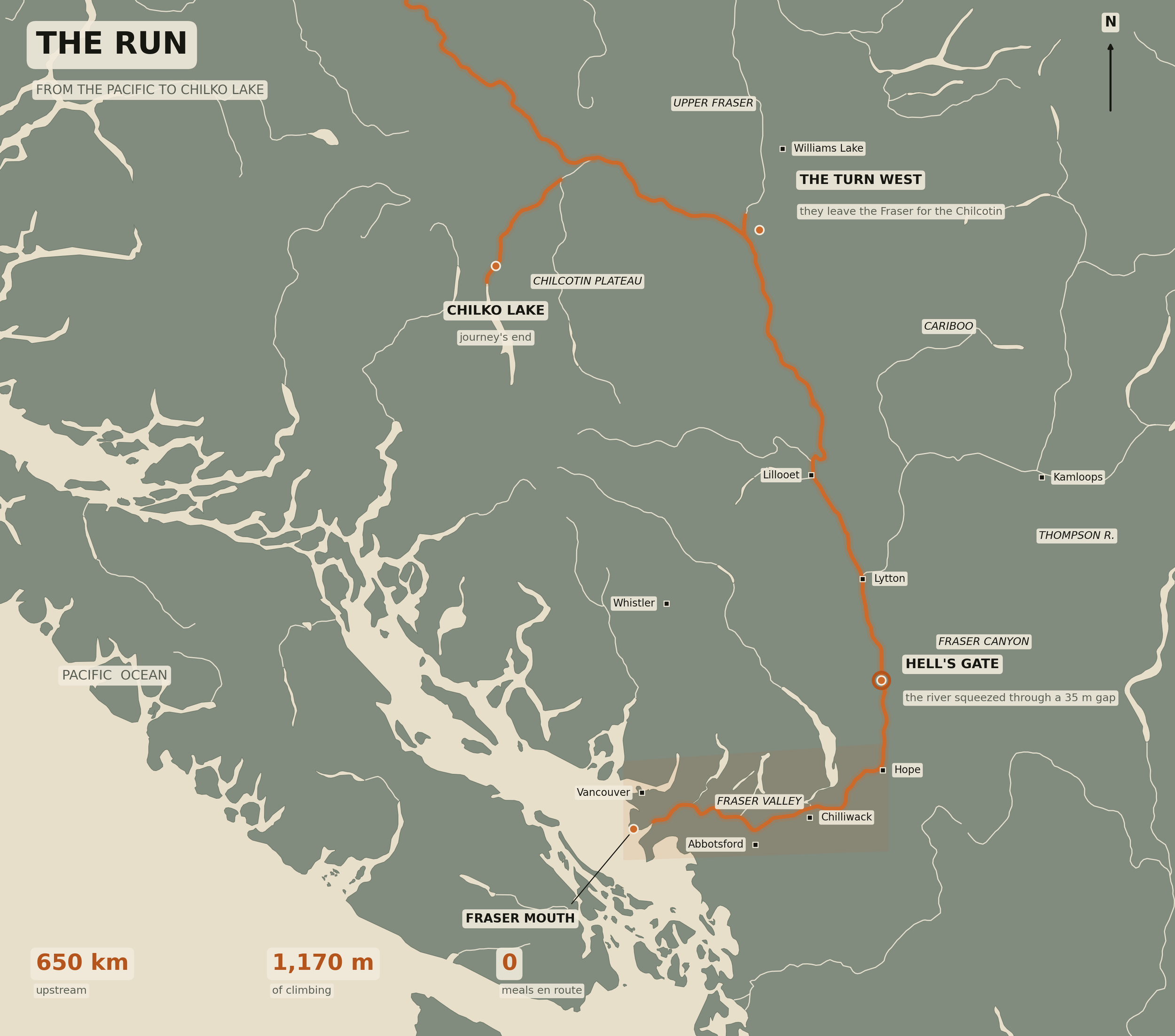
Hell's Gate is the choke point. The entire Fraser is forced through a gap about 35 m wide, a wall of white water they have to burst through. In 1913 and 1914, railway construction dumped rock into the canyon and nearly wiped out the Fraser sockeye entirely; fishways were later built to let them climb past.
Warm water is now the biggest killer. Above about 18°C sockeye suffer decreased swimming performance, stress, disease and pre-spawn death, and the Fraser has been hitting 21°C and sitting above 18°C for weeks at a time in recent summers. A river that's too warm can kill a run before it ever reaches the gravel.
They run a gauntlet the whole way. Seals and sea lions at the mouth, then commercial, Indigenous and sport fisheries, then bears and eagles inland, all working the same fish.
Landslides can shut the door entirely. In 2019 the Big Bar landslide on the Fraser blocked the migration and needed a massive emergency effort to get fish past, and in 2024 a huge landslide on the Chilcotin, the Chilko sockeye's own route, threatened passage again.
The odds are brutal by design. A female lays roughly 2,000 to 4,000 eggs, and across a healthy population only about two fish on average survive the entire cycle to return and spawn. Everything else feeds something.
Then they all die. Every Pacific salmon is semelparous, meaning it spawns once and dies. Within days of reaching Chilko, the fish that crossed an ocean and climbed a mountain give their bodies to the lake, the bears and the forest.
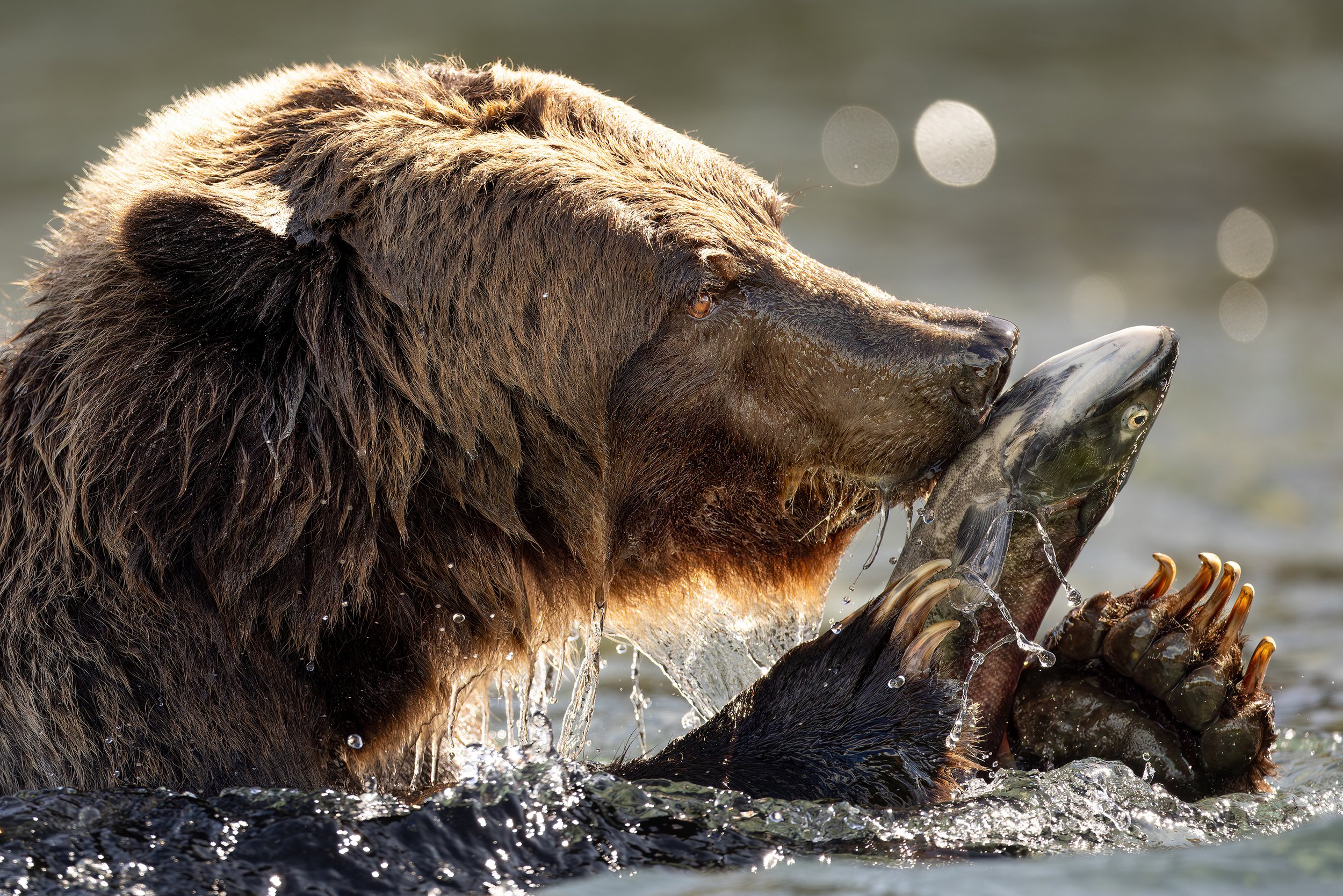
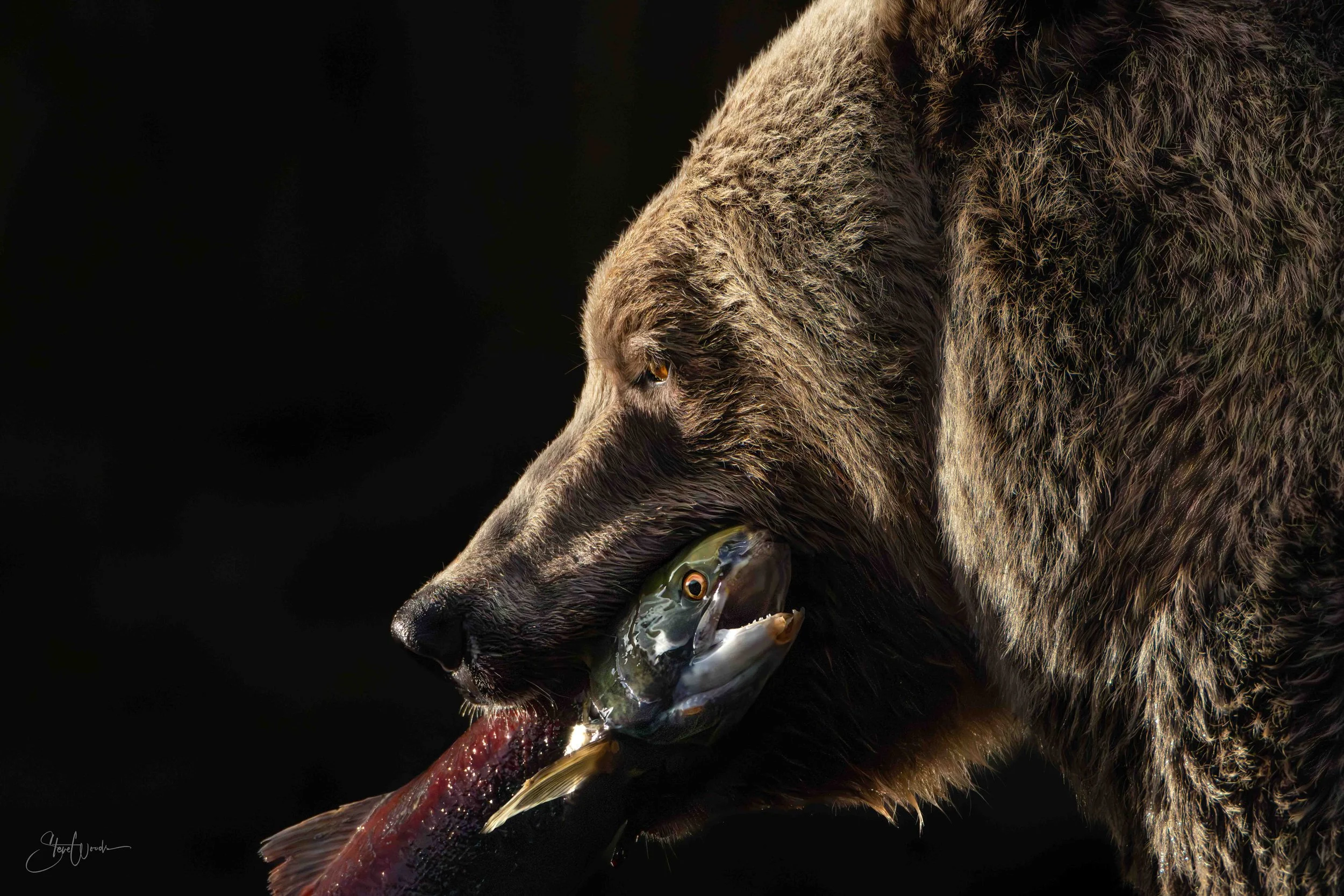
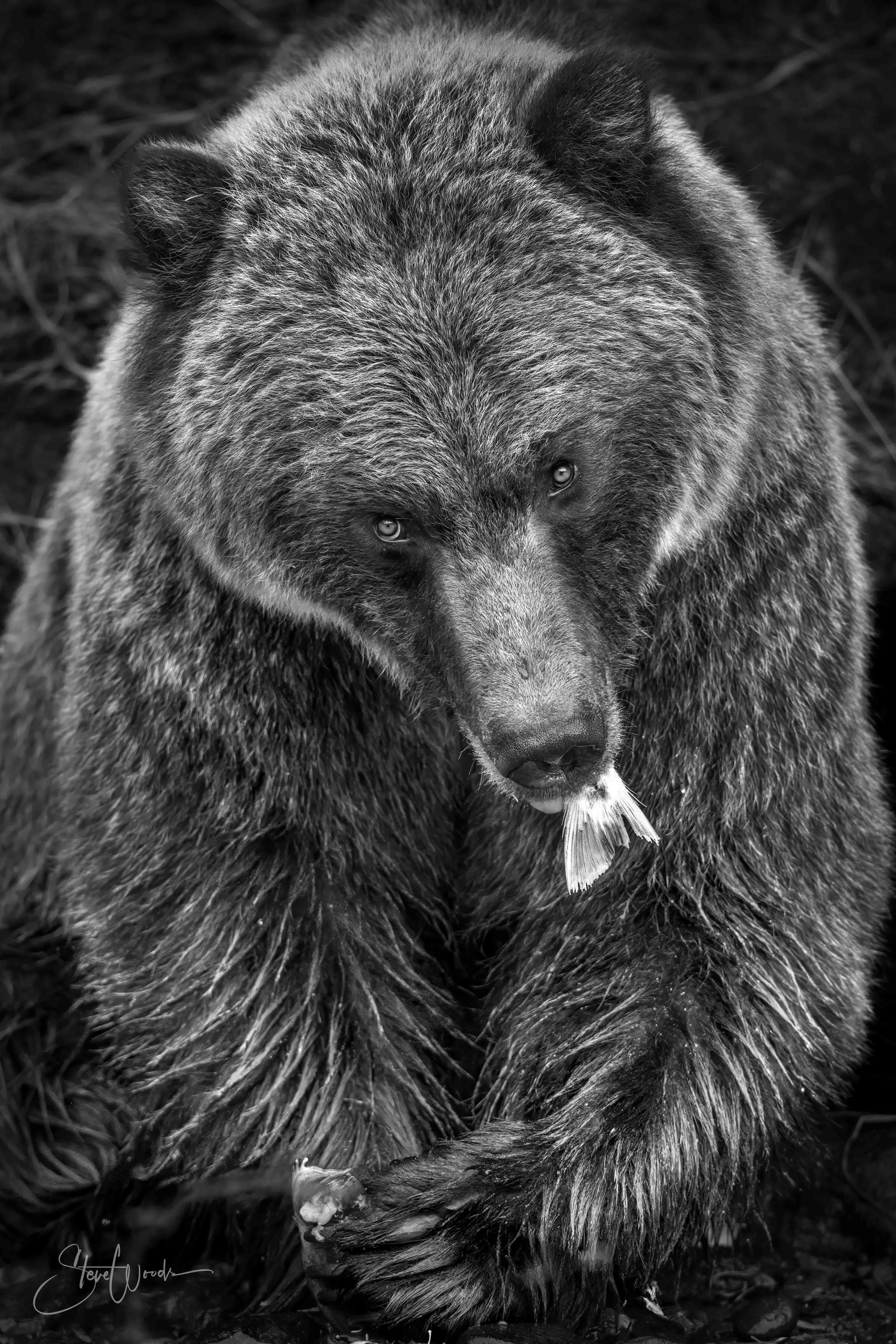
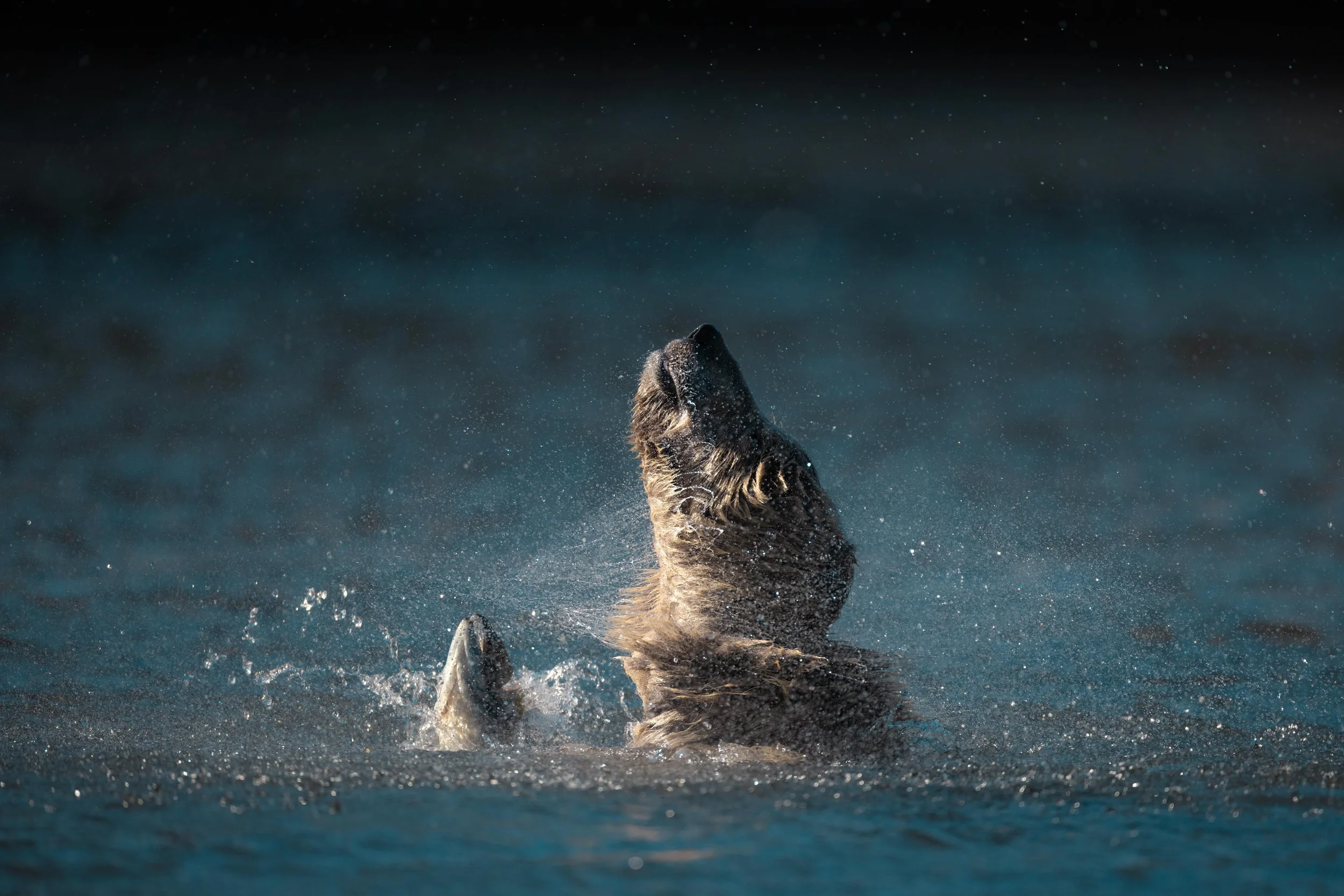
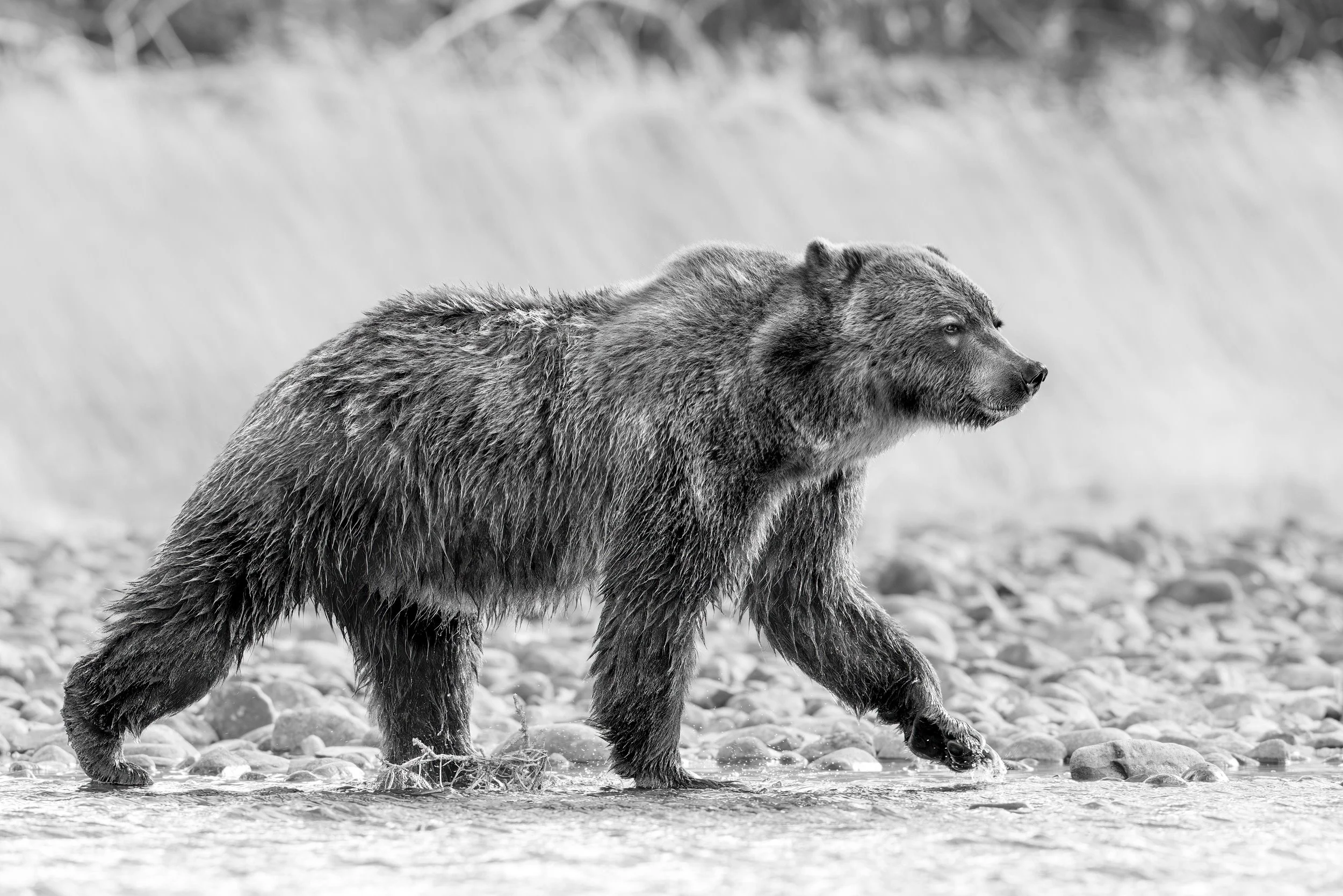
The salmon are how the ocean feeds the forest. When they die they leave behind a kind of nitrogen that only comes from the sea, and it soaks into everything. Scientists can read it in the wood of the trees along the river, and the more salmon a river gets, the stronger the signal shows up. On Haida Gwaii they traced up to seventy or eighty percent of the nitrogen in a streamside tree back to the Pacific, carried there in the bodies of fish. The rainforest is partly made of salmon, an incredible fact.
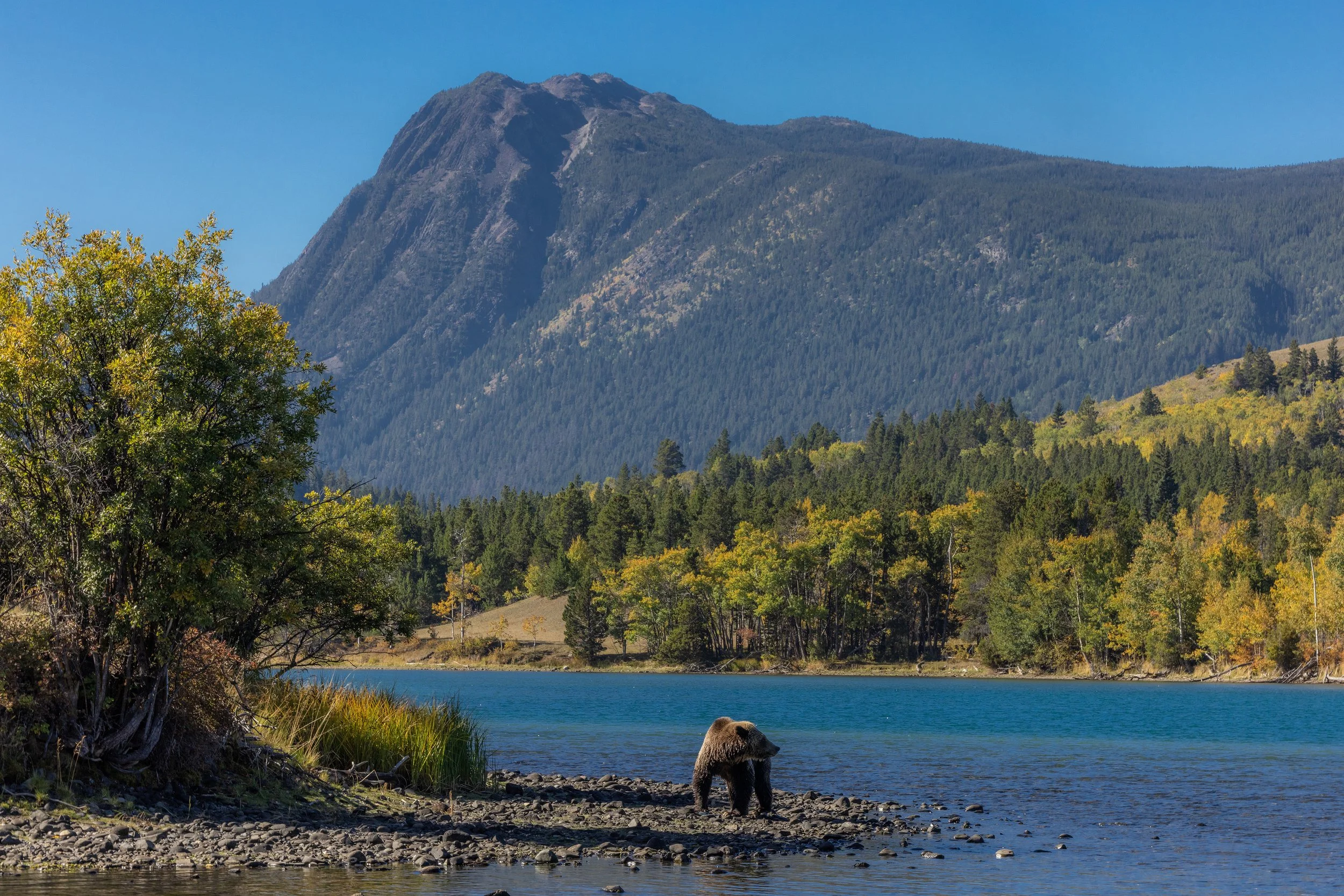
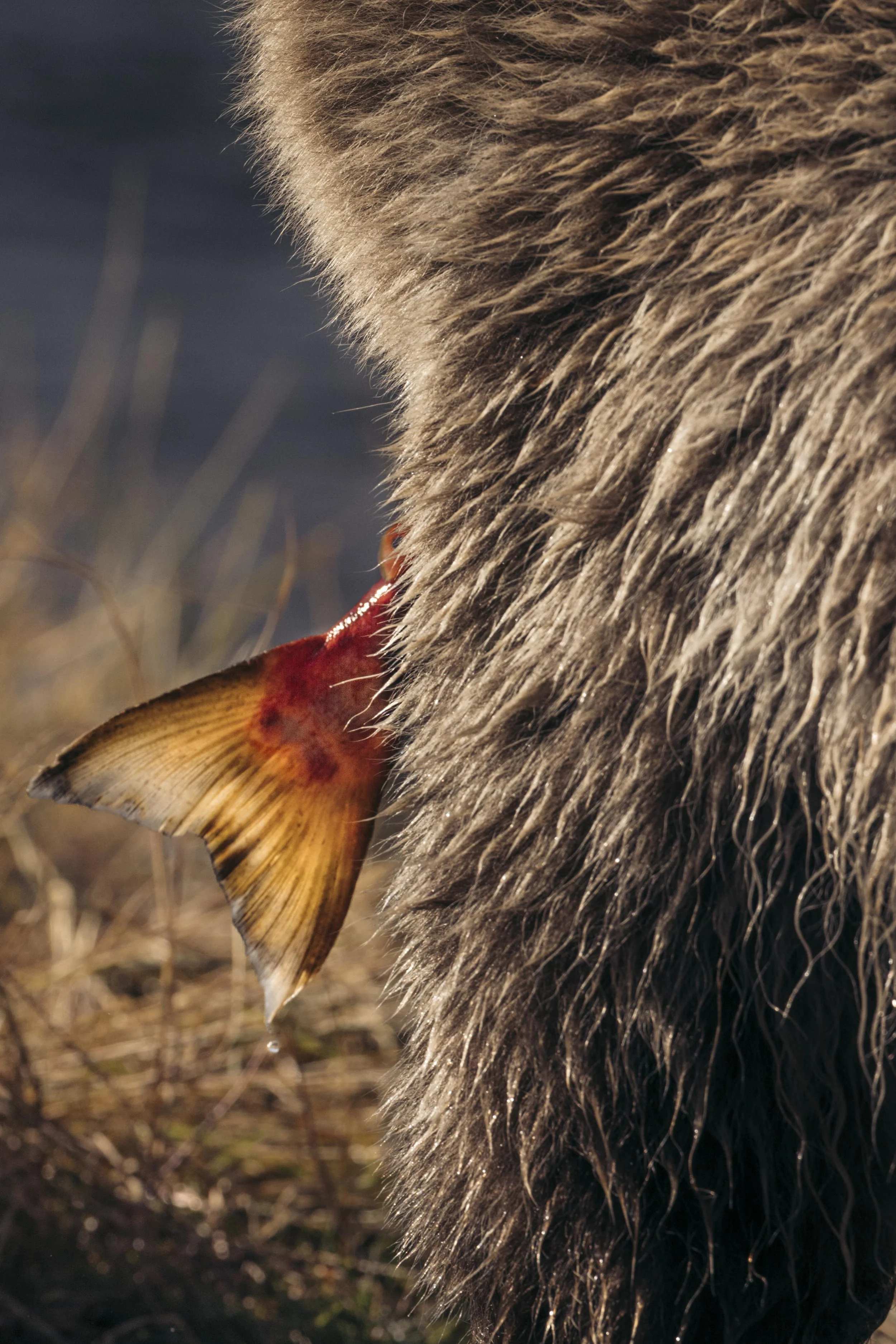
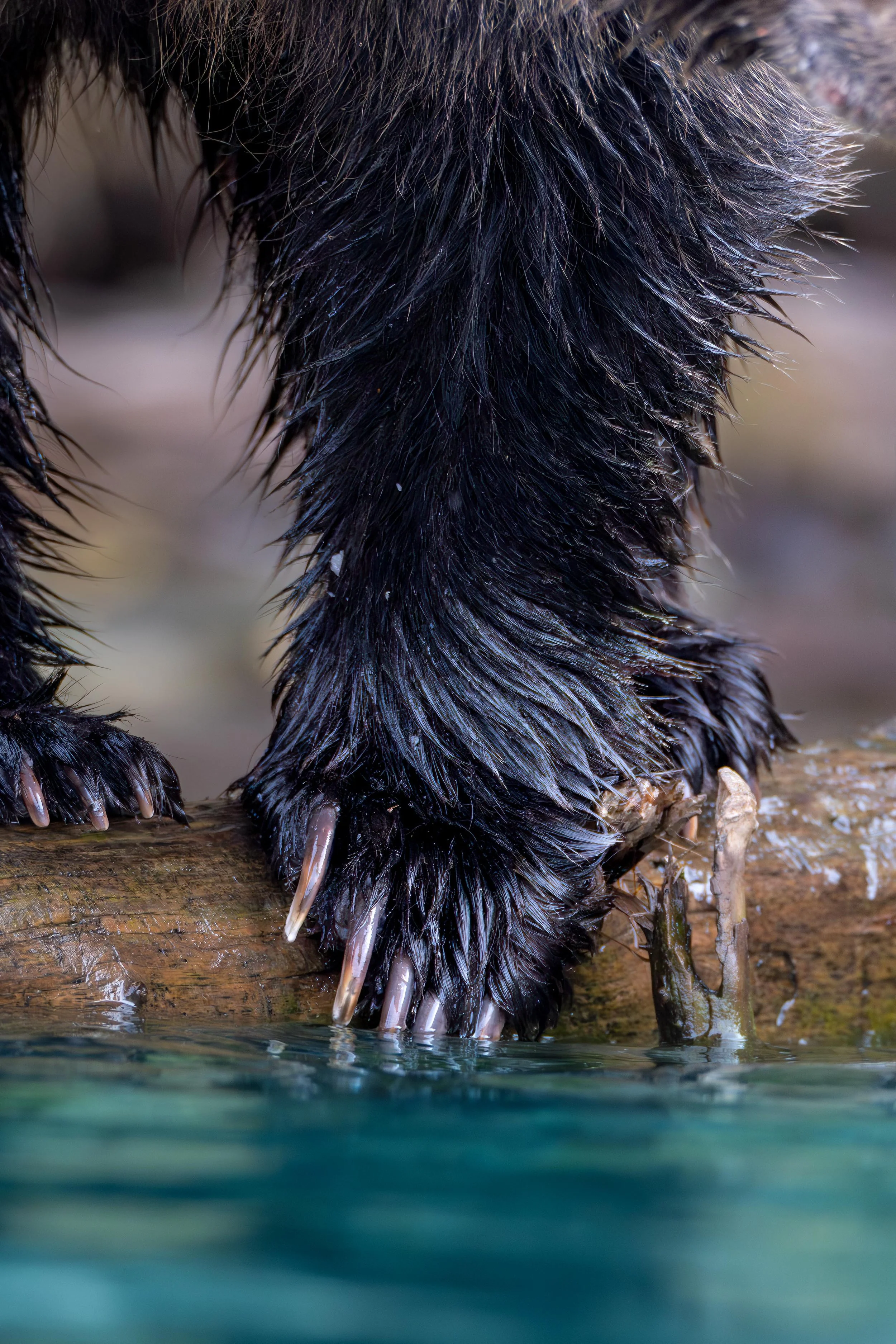
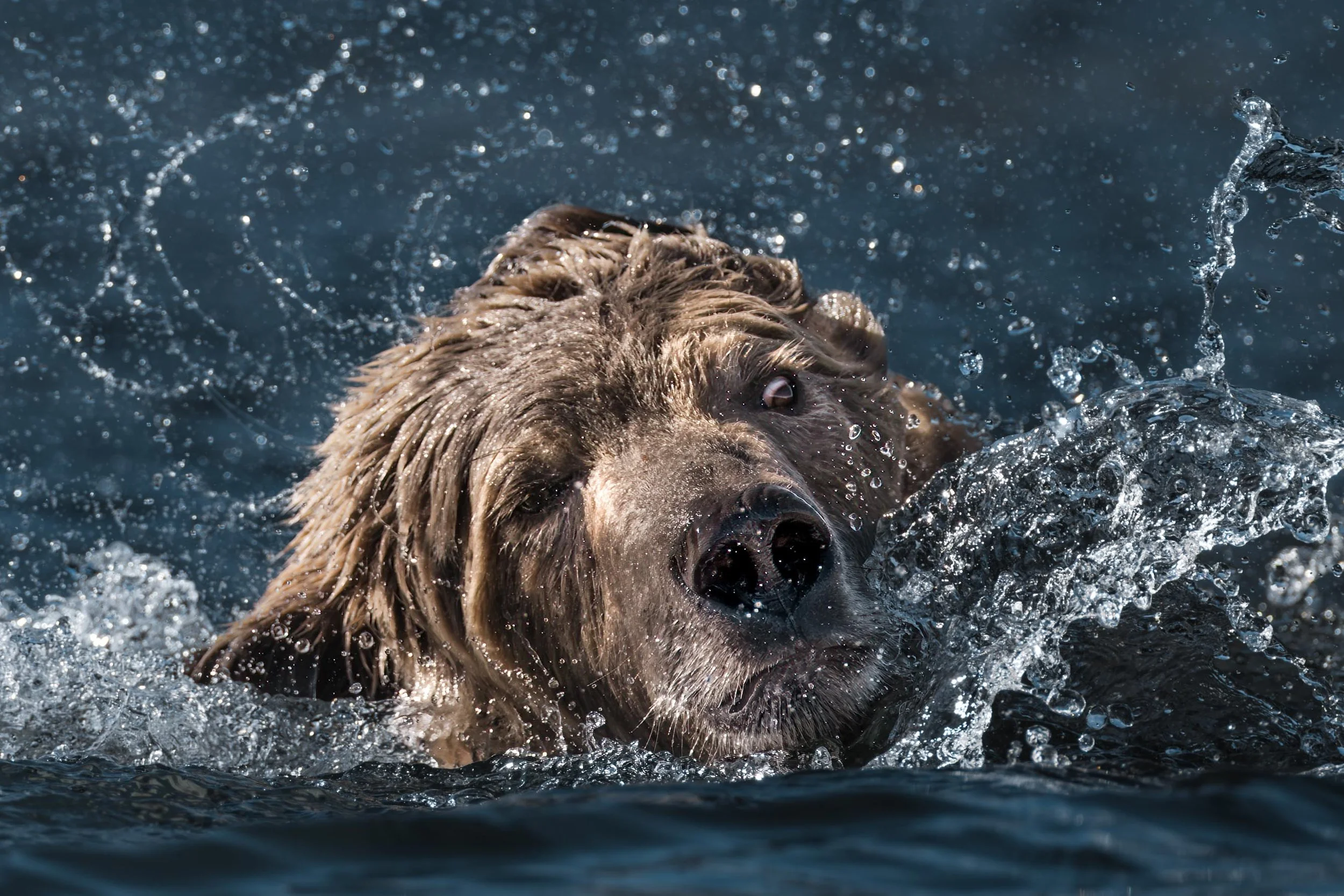
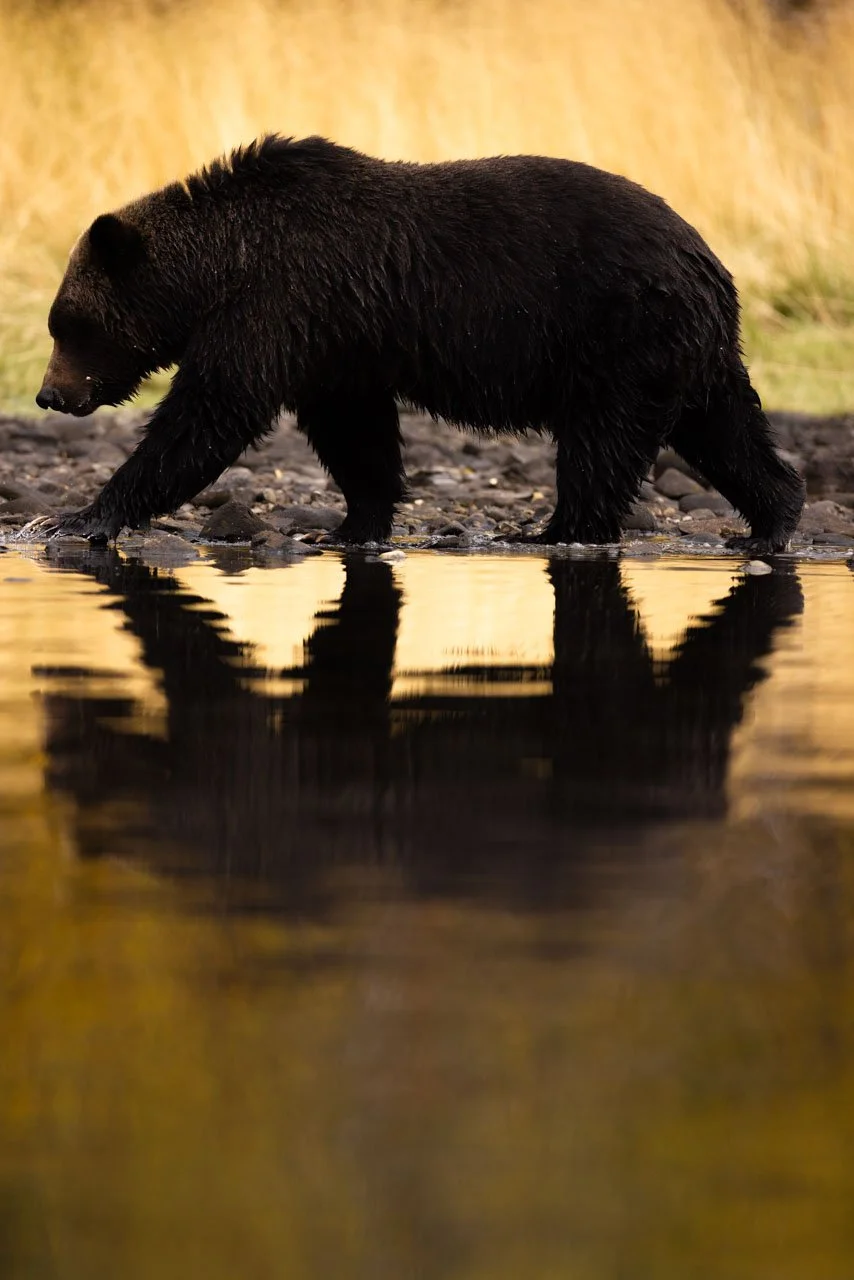
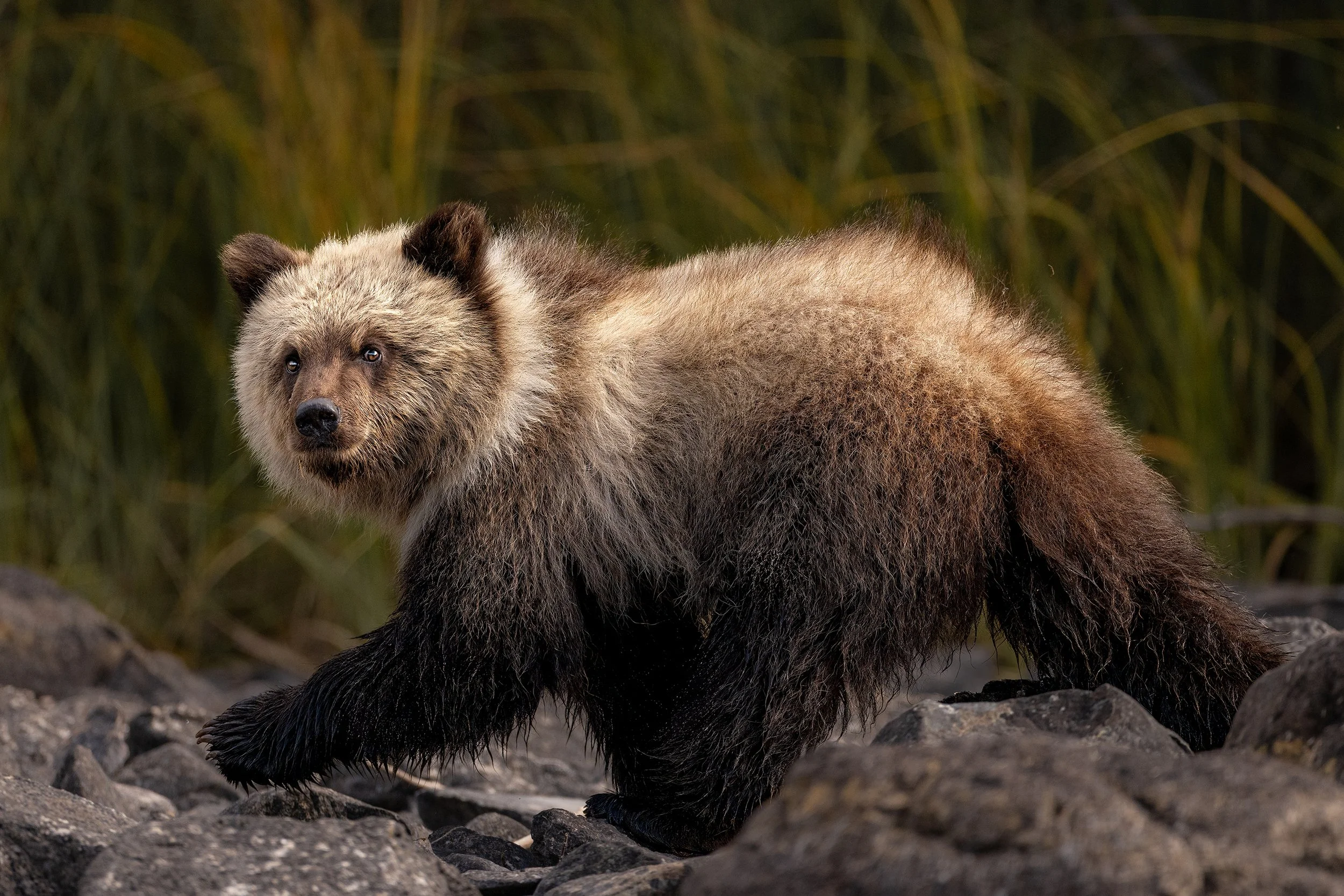
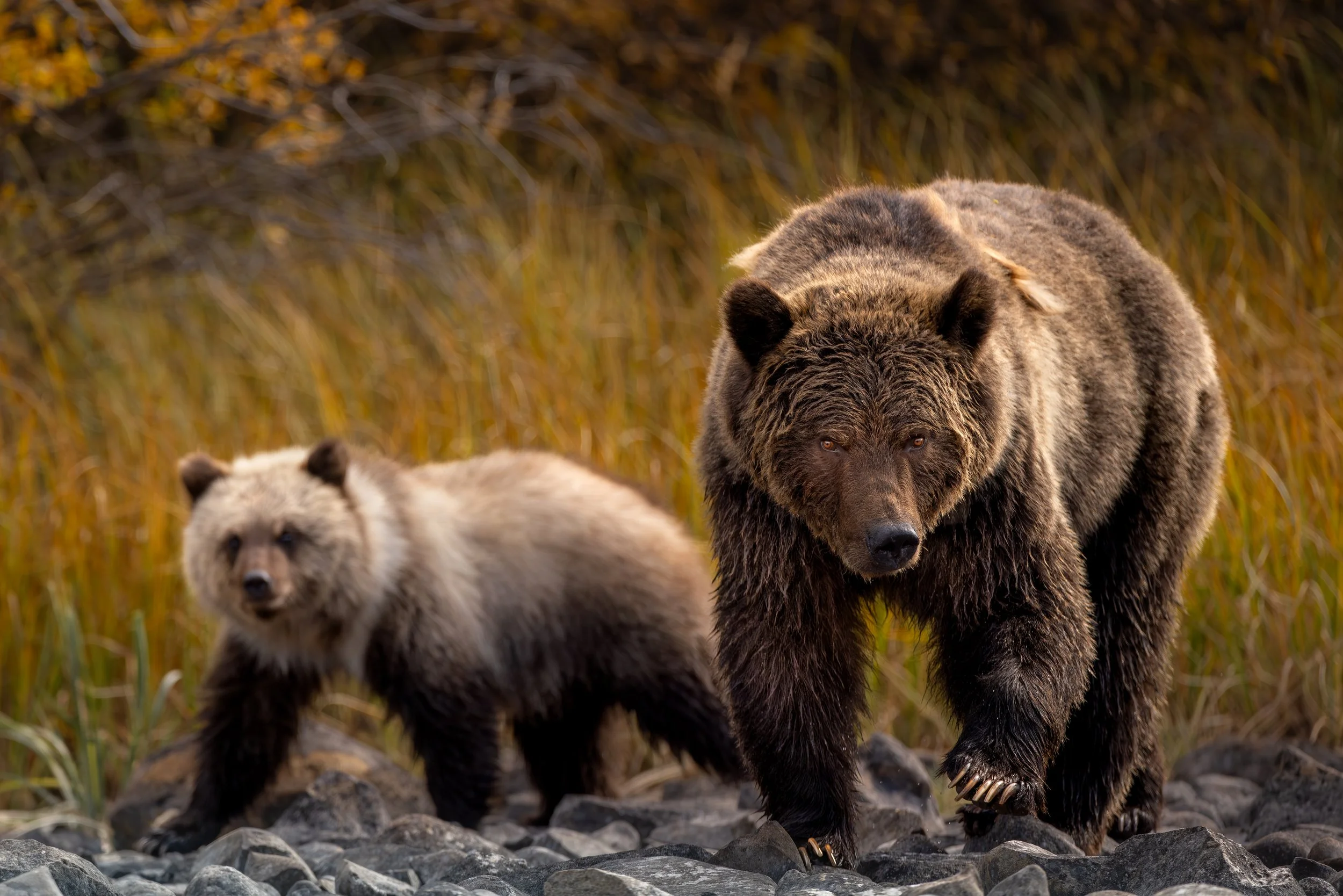
Most of the heavy lifting is done by bears. Over the few weeks of a run a single bear will eat around seven hundred salmon taking them out of the water and carry ing them up into the safety of the trees (away from other competing bears), eat less than half of each one, and leave the rest to rot into the ground, often a hundred metres or more from the bank. Multiply that with every bear on every river and there is an enormous pump quietly moving the nutrients from the deep ocean (brought up by the salmon), uphill into the forest. An example of this is spruce trees growing next to a good salmon river put on growth up to three times faster than the same trees just out of reach of the fish.
As usual our expanded human existence is having a devastating impact on it all. Our rivers now get somewhere around six or seven percent of the nutrients salmon used to bring them, and salmon numbers are down about eighty five percent since the nineteen forties. The forest is running on a fraction of the ocean it was built on, and most people walking through it have no idea. Nothing will be the same in the future.
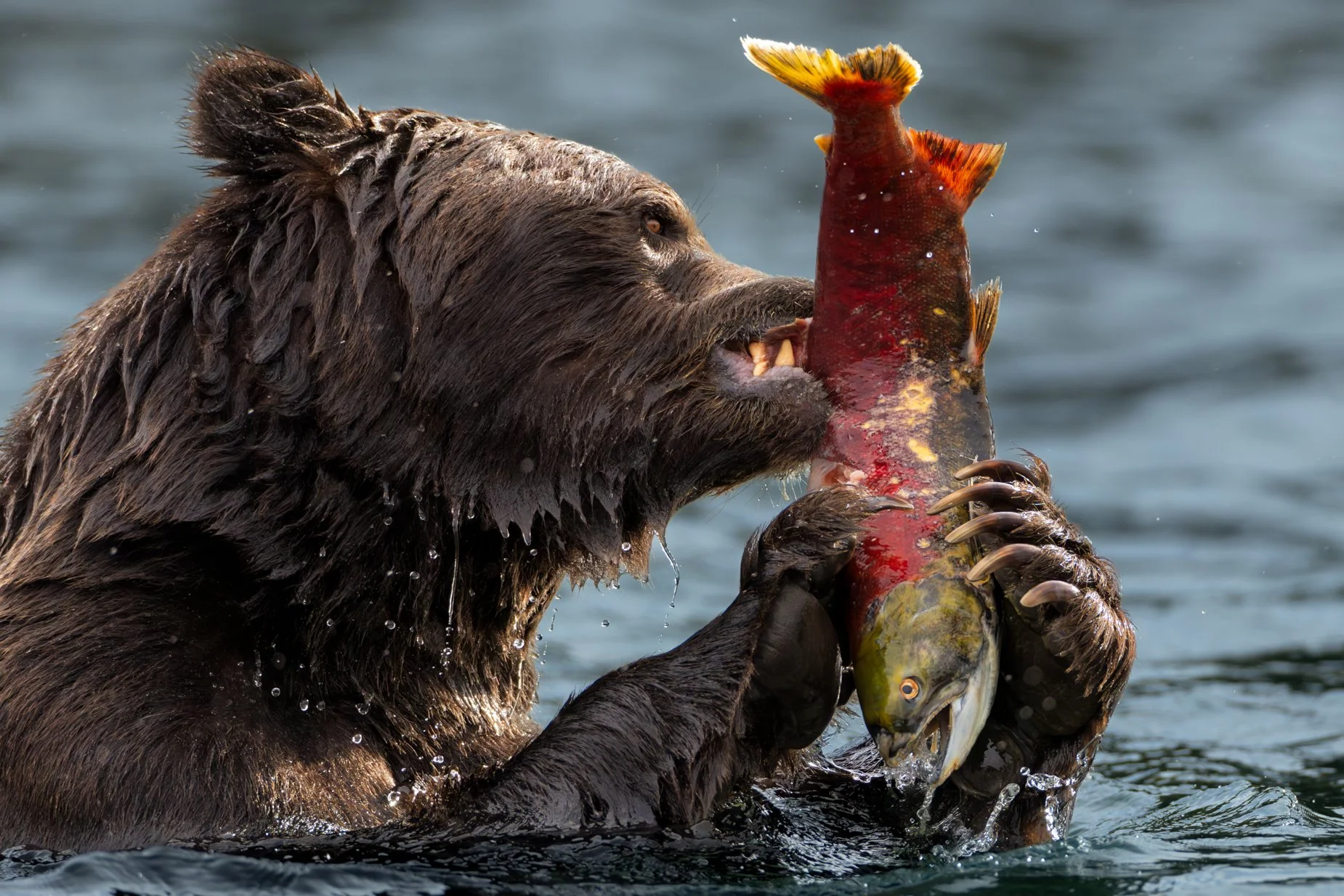
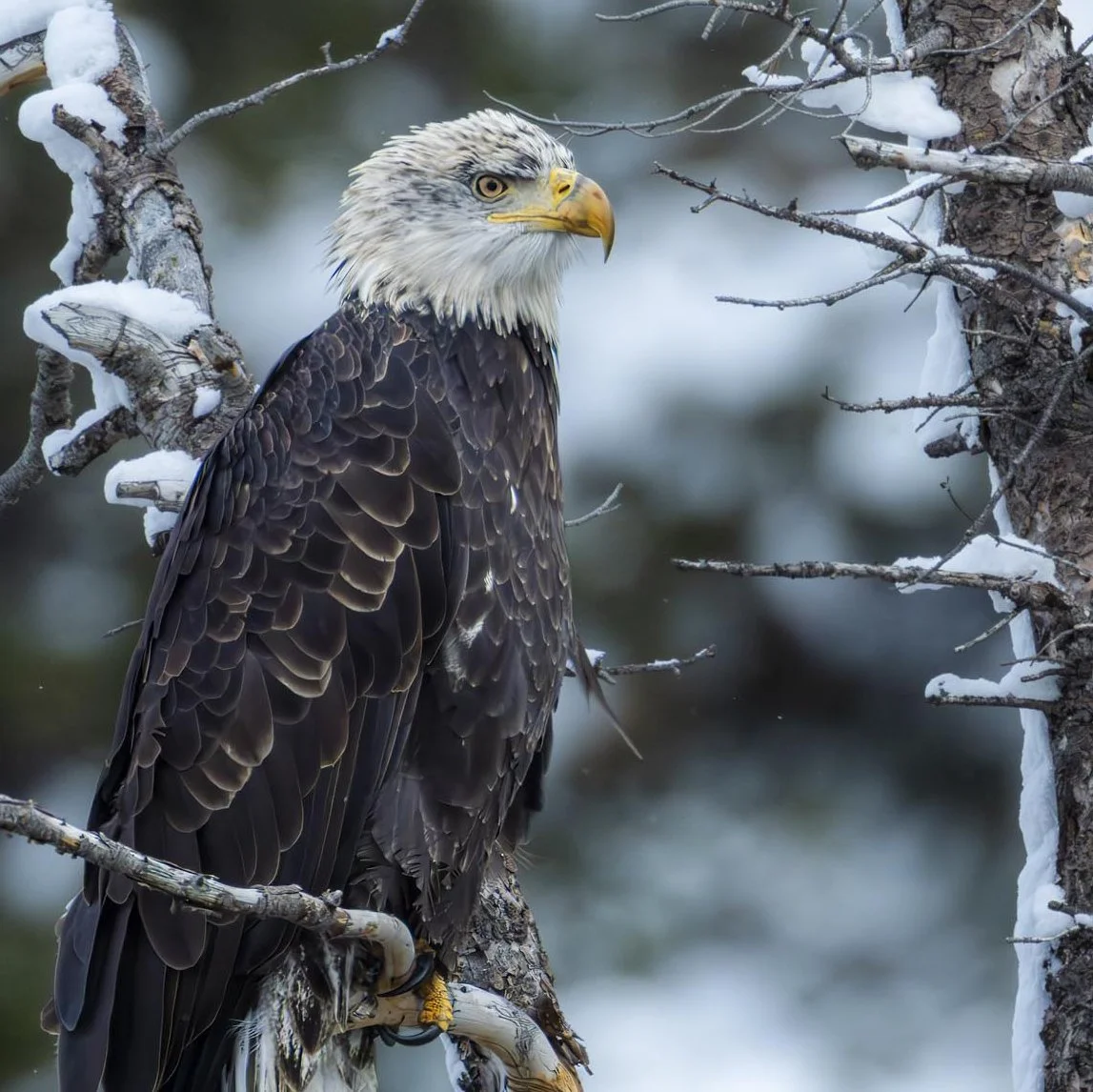
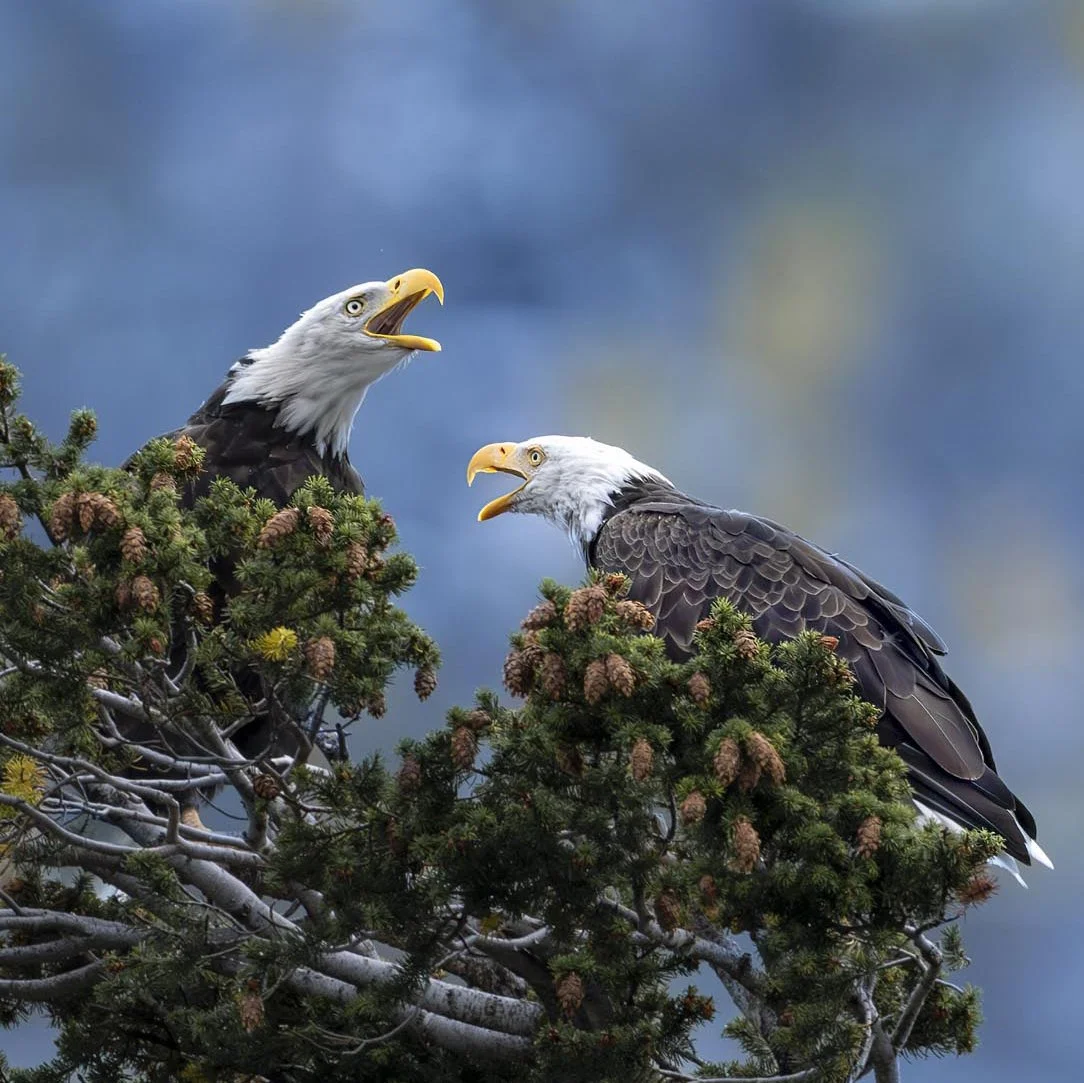
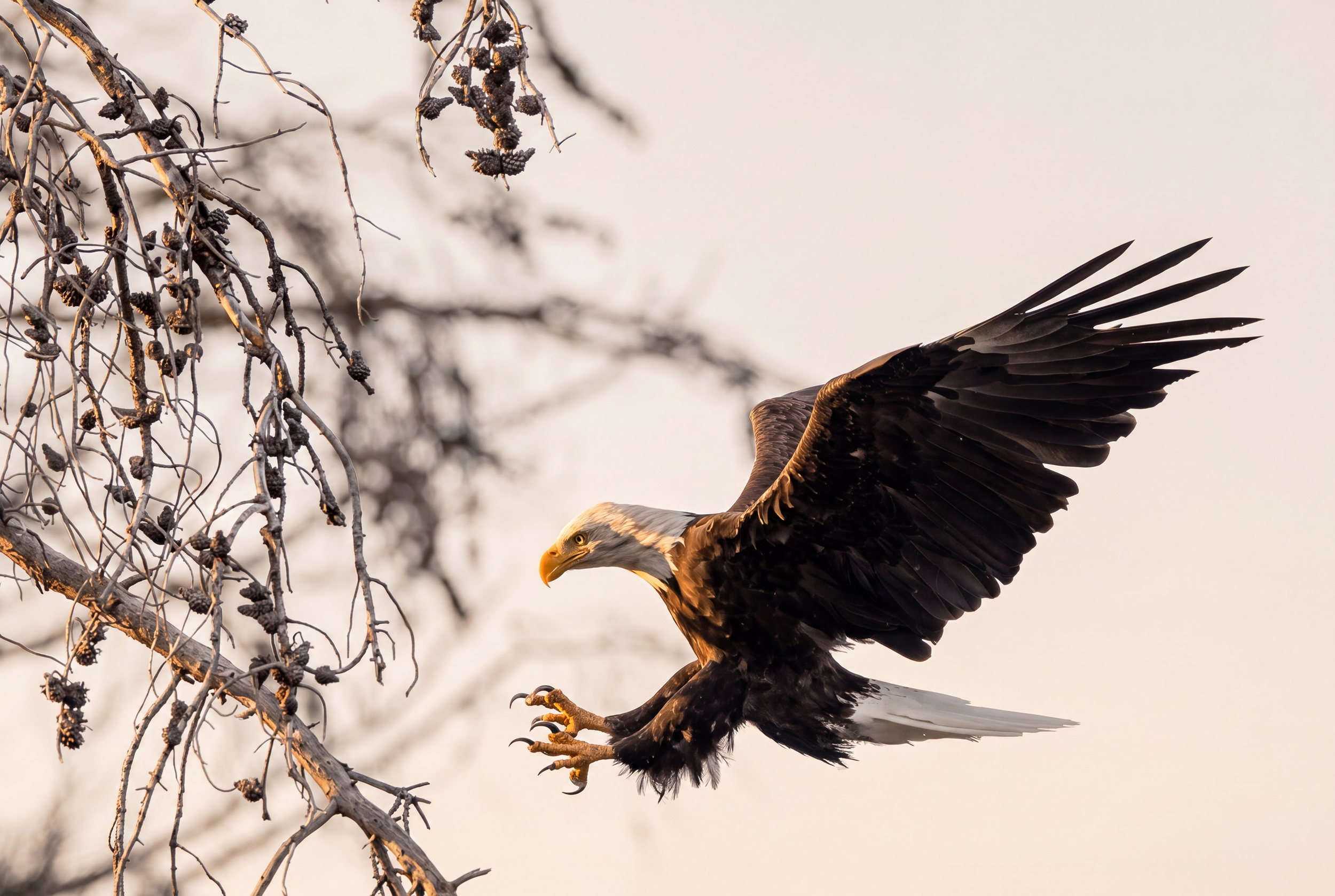
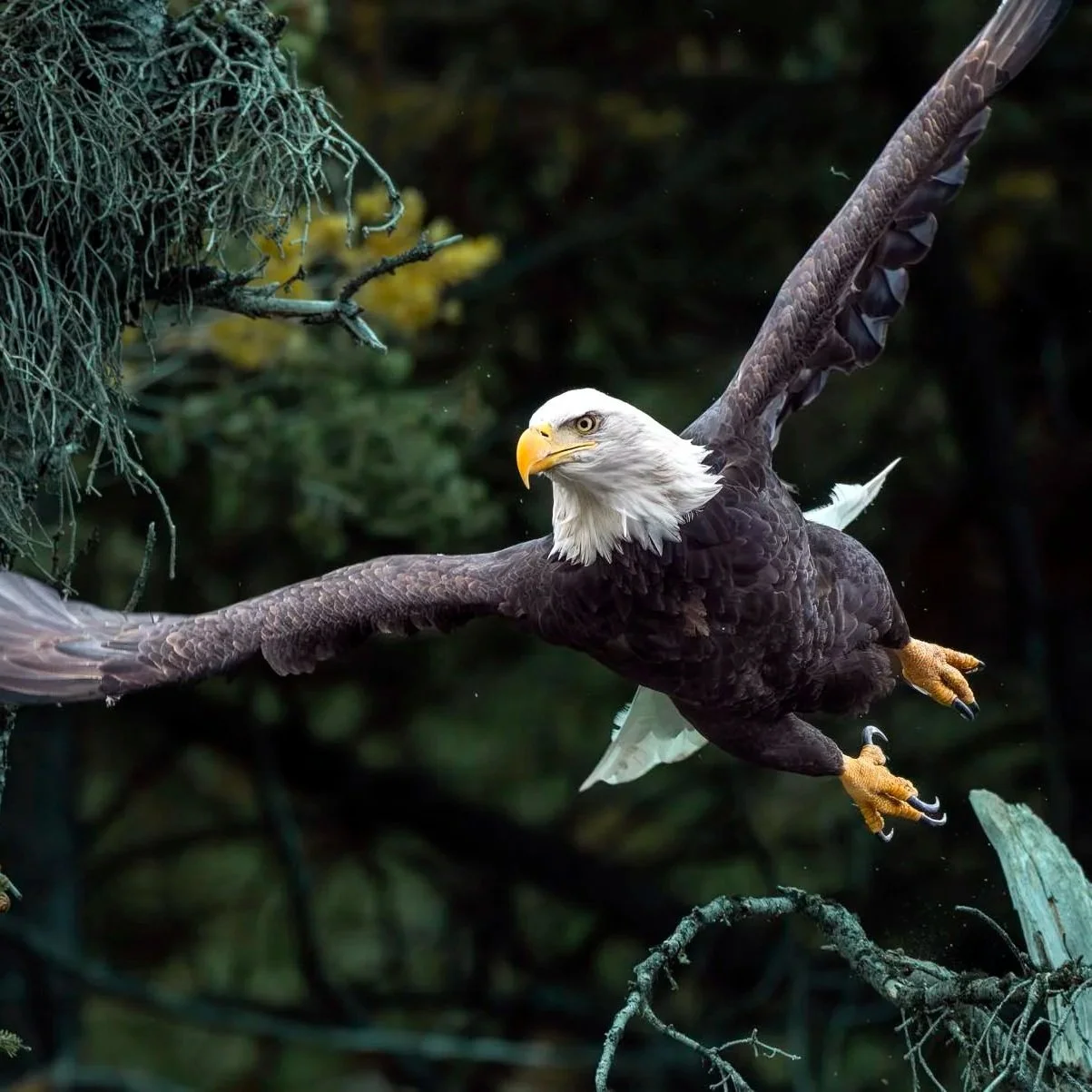
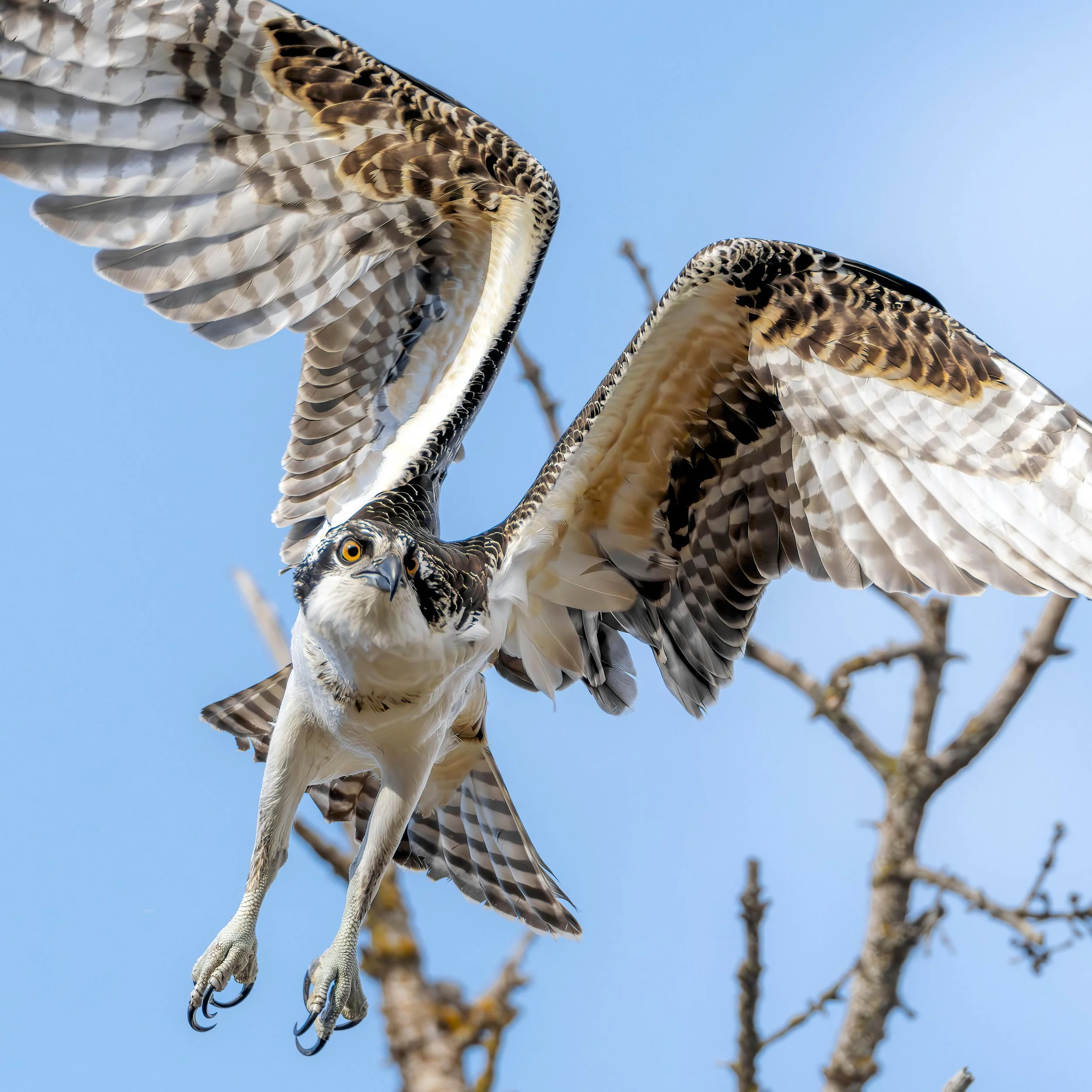
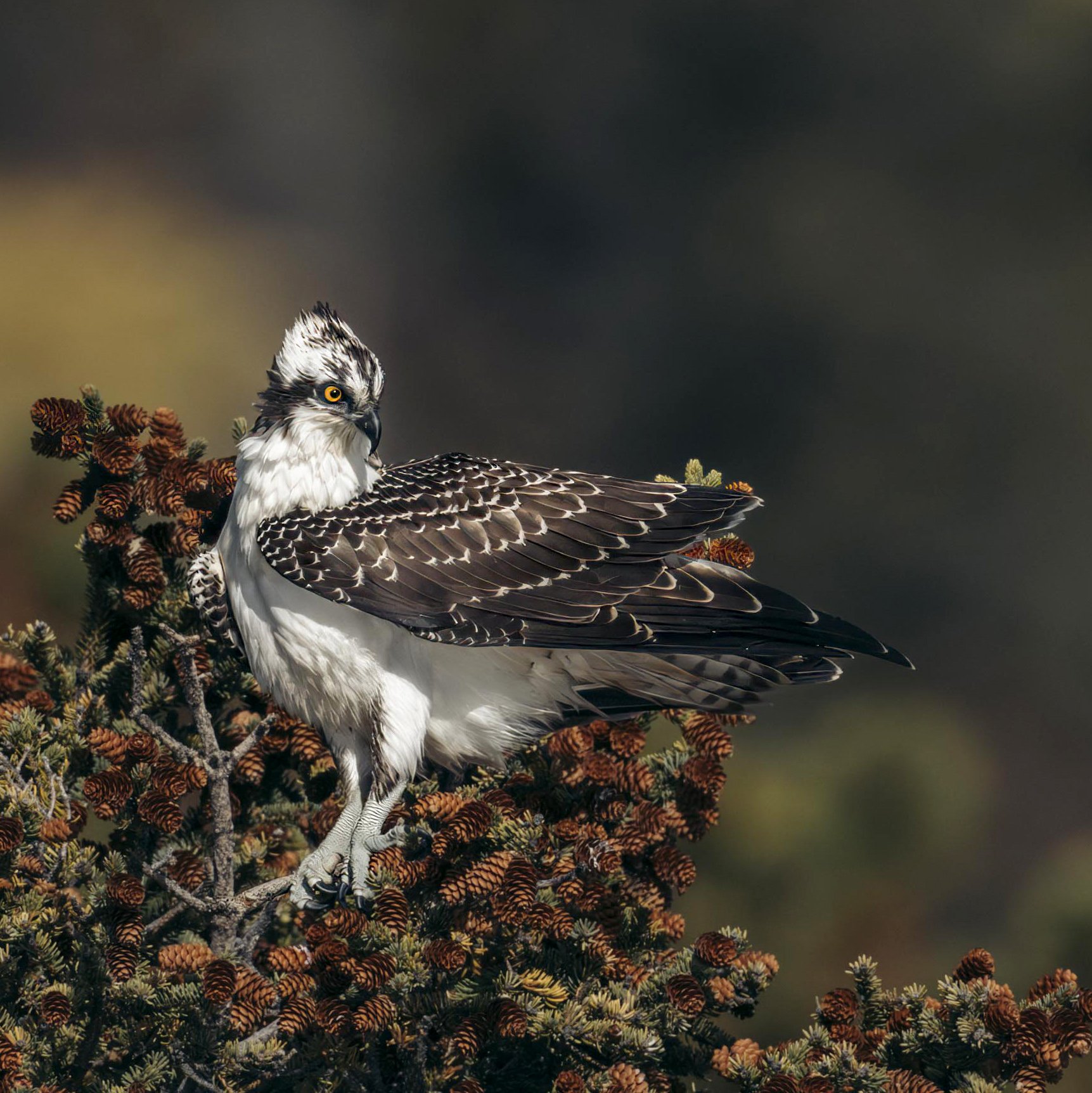
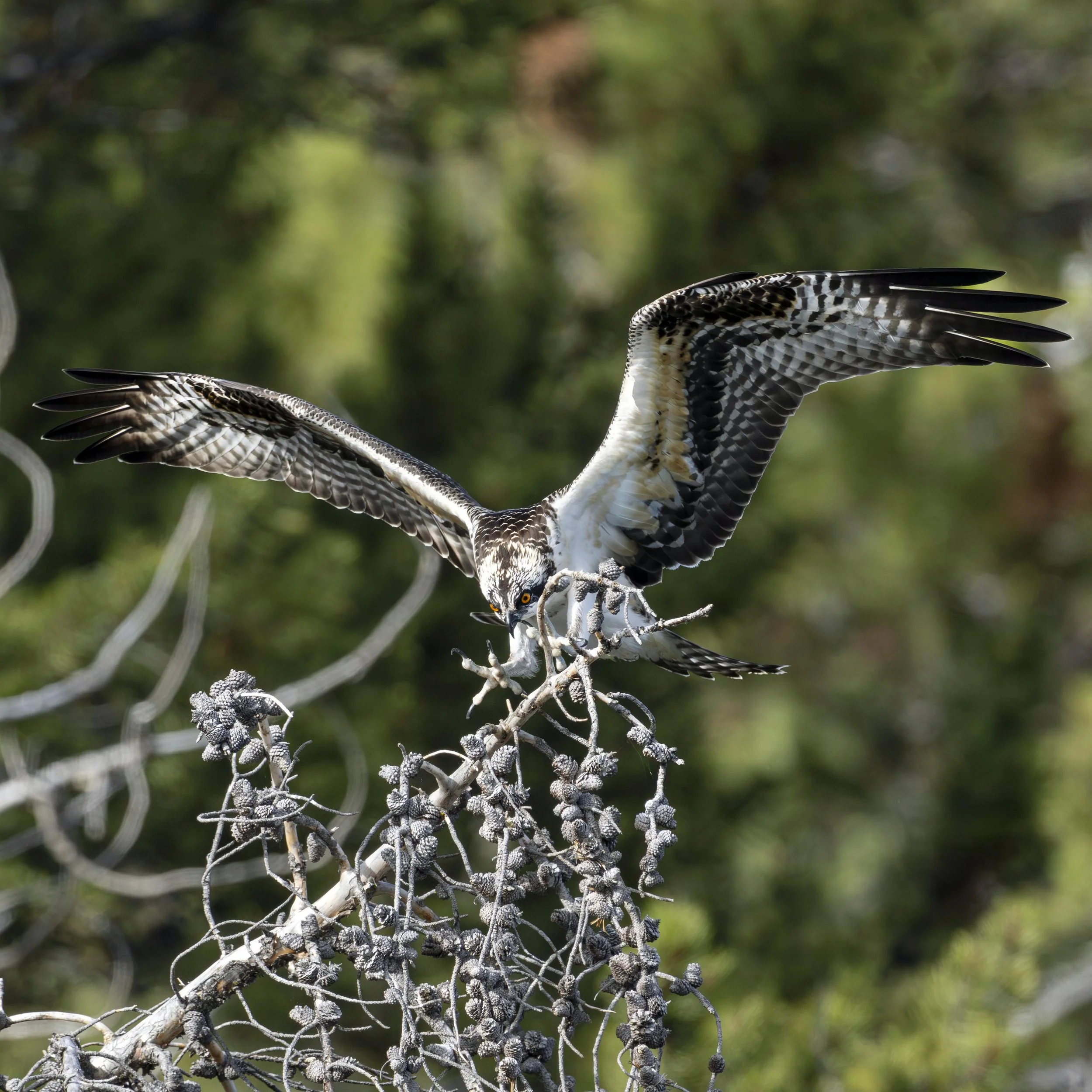
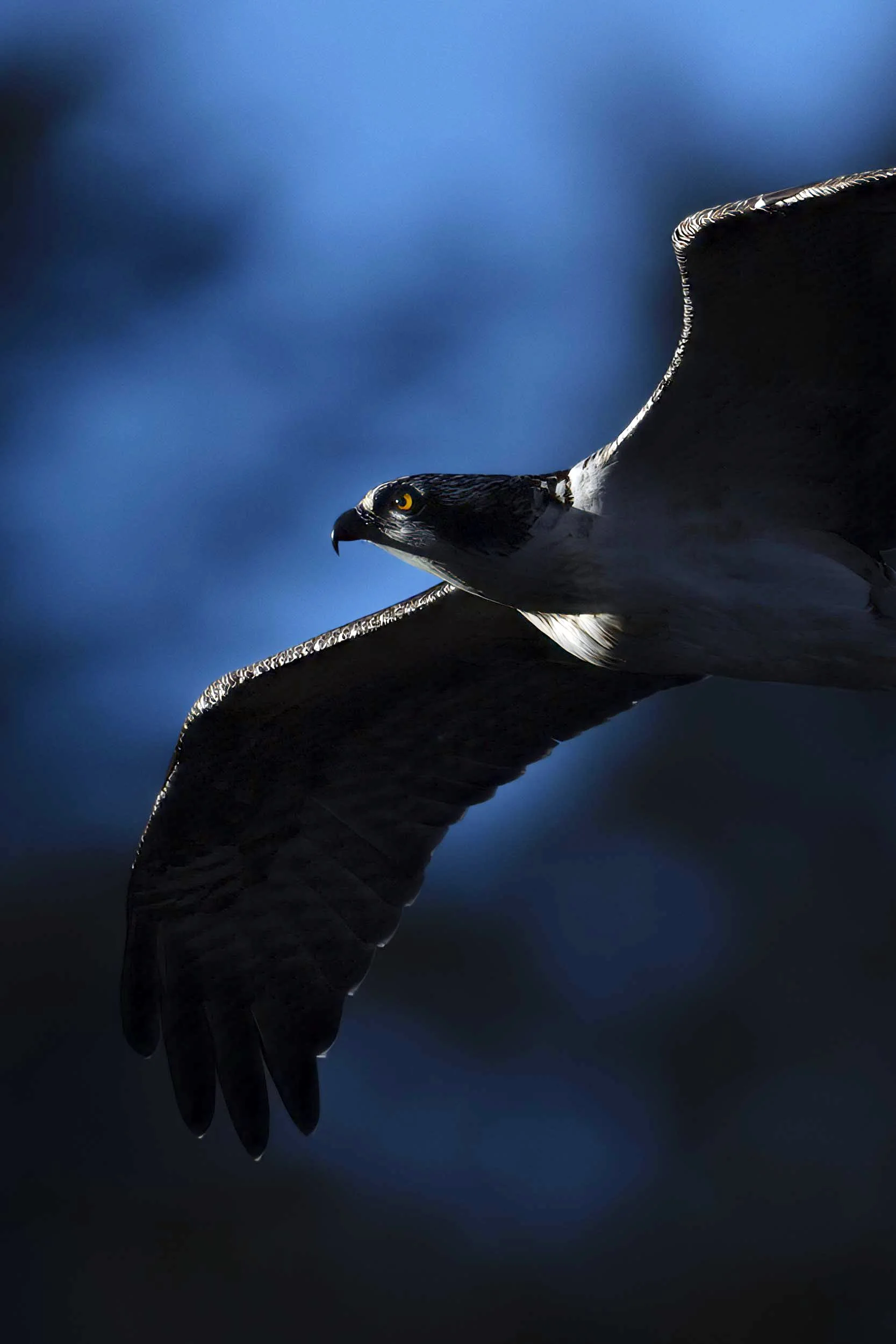
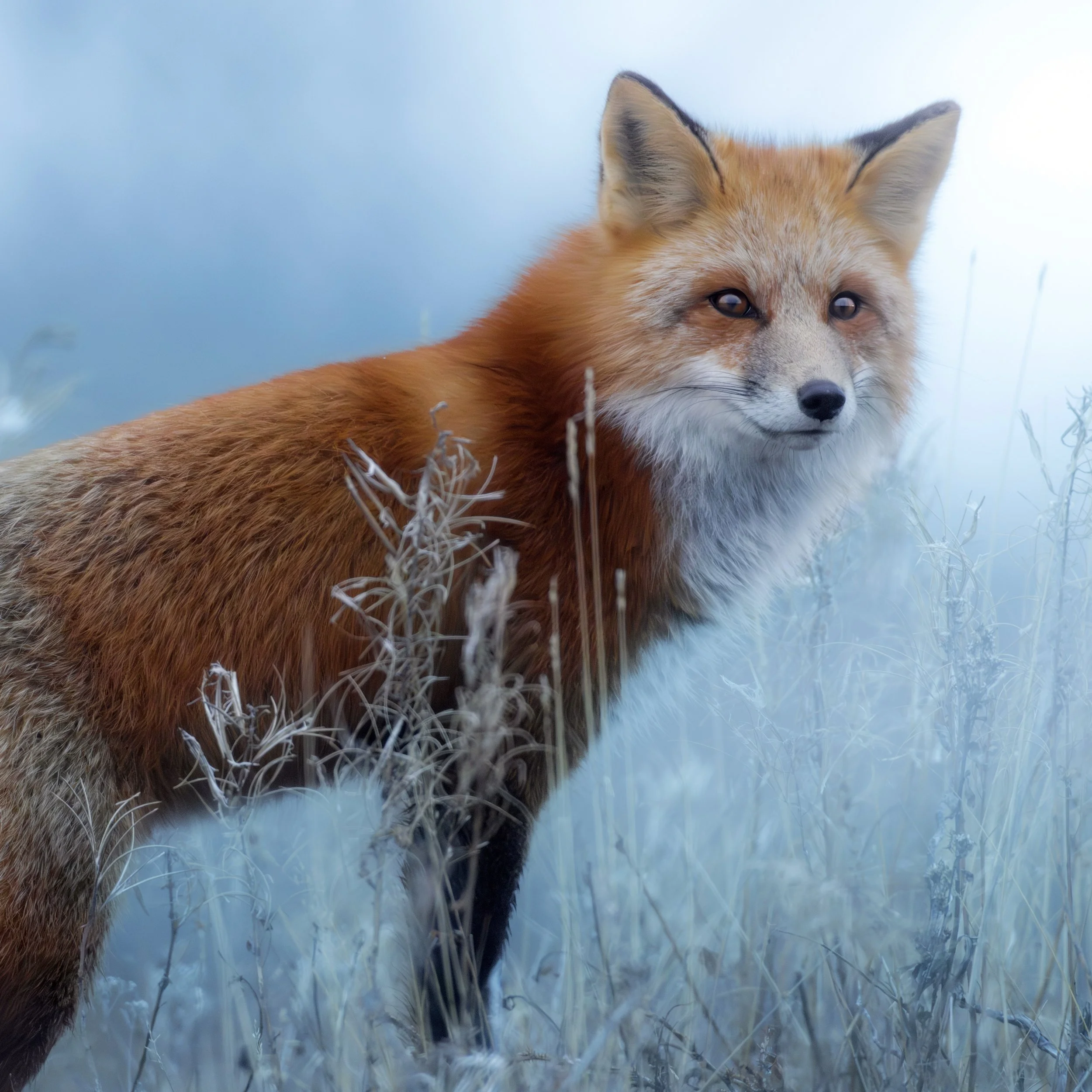
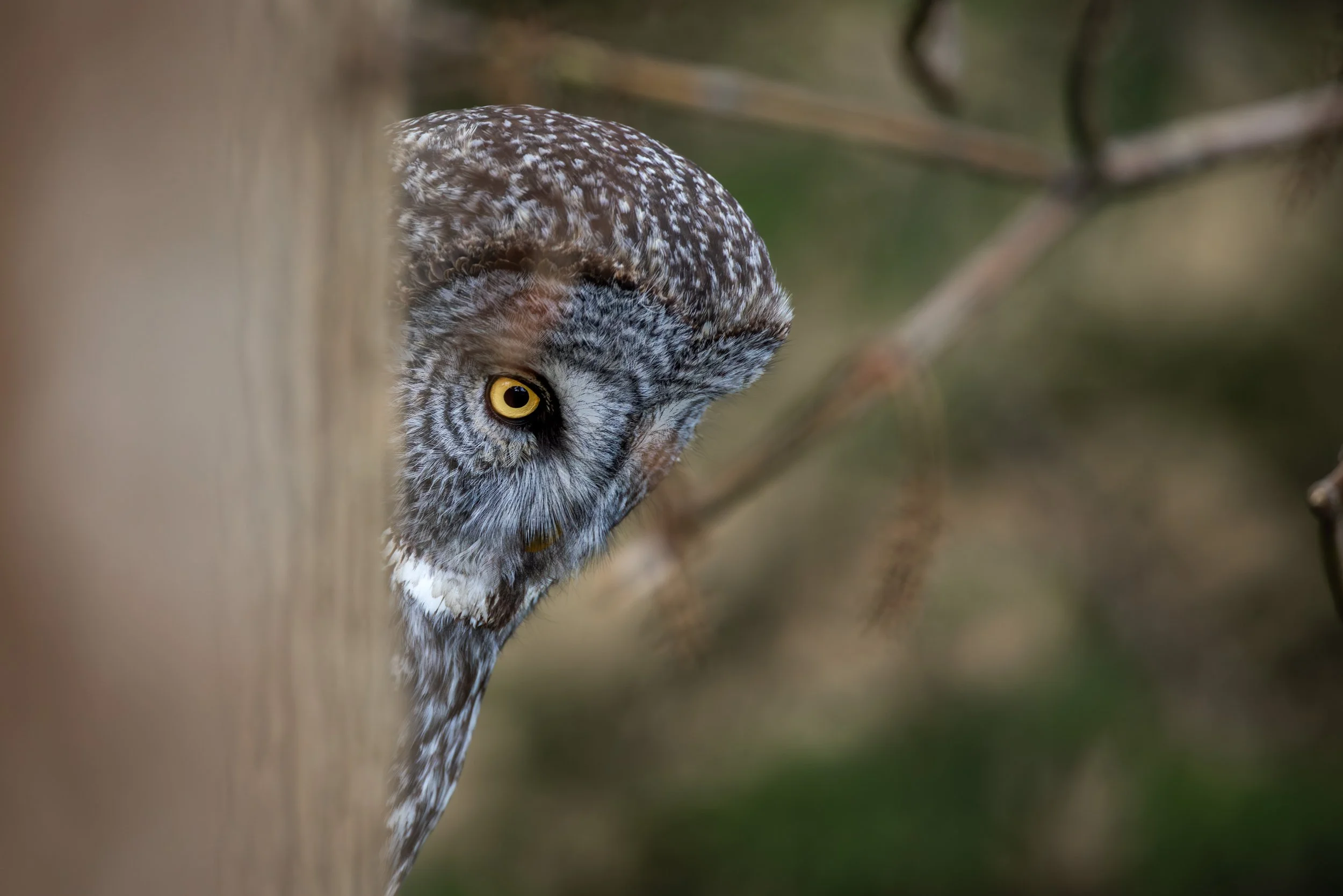
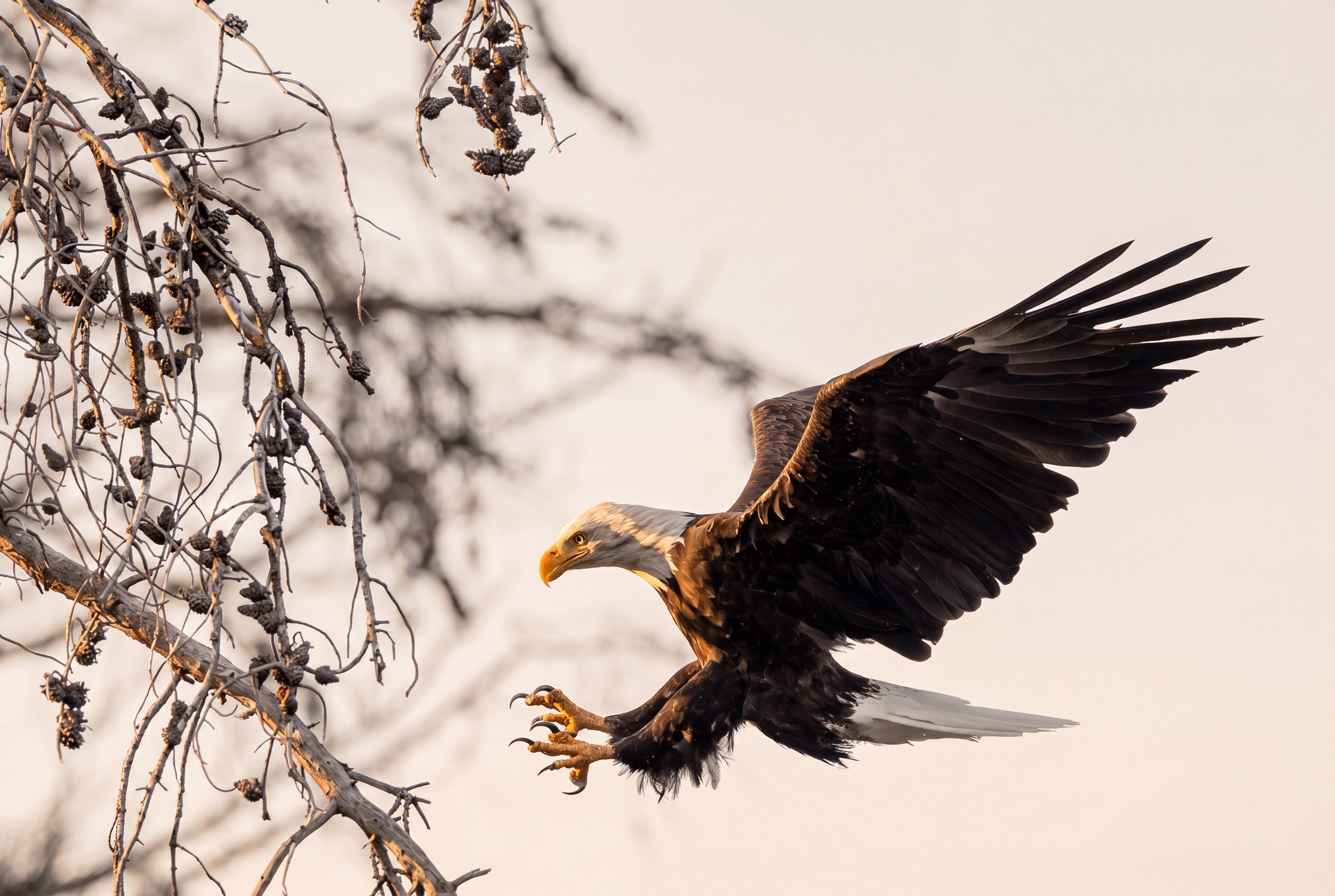
There arent just Grizzlies waiting for the salmon. The bears are the main vehicle for the nutrients ending up in the trees, dragging fish back into the forest to eat, but there are a plethora of other scavengers that help along the way. Black bears work the same rivers, mostly staying out of the big grizzlies way and bald eagles are responible for the deepest penetration of nutrients into the forest as they carry the carcasses of already spawned fish sometimes tens of miles back into the forest away from other predators.
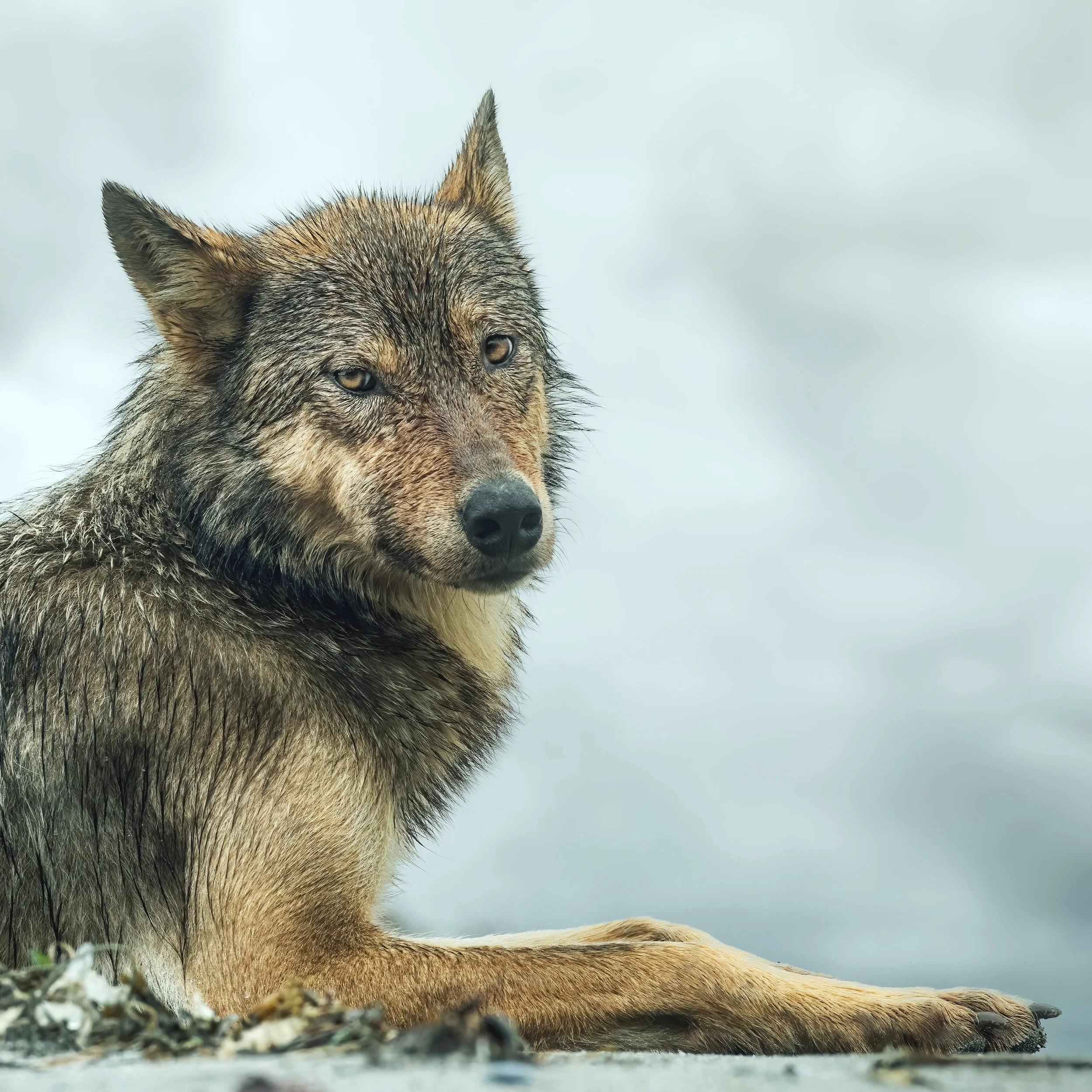
On this coast there are coastal wolves which get up to ninety percent of what they eat from the ocean, salmon making up about a quarter of it. Up in the chilcotin mountain range, their close cousins, the interior grey wolves pick off slow and dying salmon and will often eat only the head and walk away from the rest, which the researchers reckon is them taking the richest fat while dodging a parasite in the body that can kill a dog.
Back down at the river mouth in the saltwater, seals and sea lions are waiting, taking the young fish on their way out to sea and the adults on their way back in. Further offshore you have got the killer whales. People forget the orca in all of this, but the southern residents live and die on salmon, mostly the big Chinook, and their decline is tied straight to the fish. When the salmon go, the resident Orca populations will go with them.
Then there are the smaller, yet no less important critters, the gulls and the ravens on the carcasses, the otters and mink taking fry, and in the end the flies and the fungi turning what is left into soil. And us. People have fished this run for thousands of years, the Tsilhqot'in here long before anyone else turned up. Every one of them is living off the same fish, and every one of them is carrying the ocean a little further inland without knowing it.