Ghosts of the
Pacific Northwest
Searching for the elusive rain wolves of british columbia
4
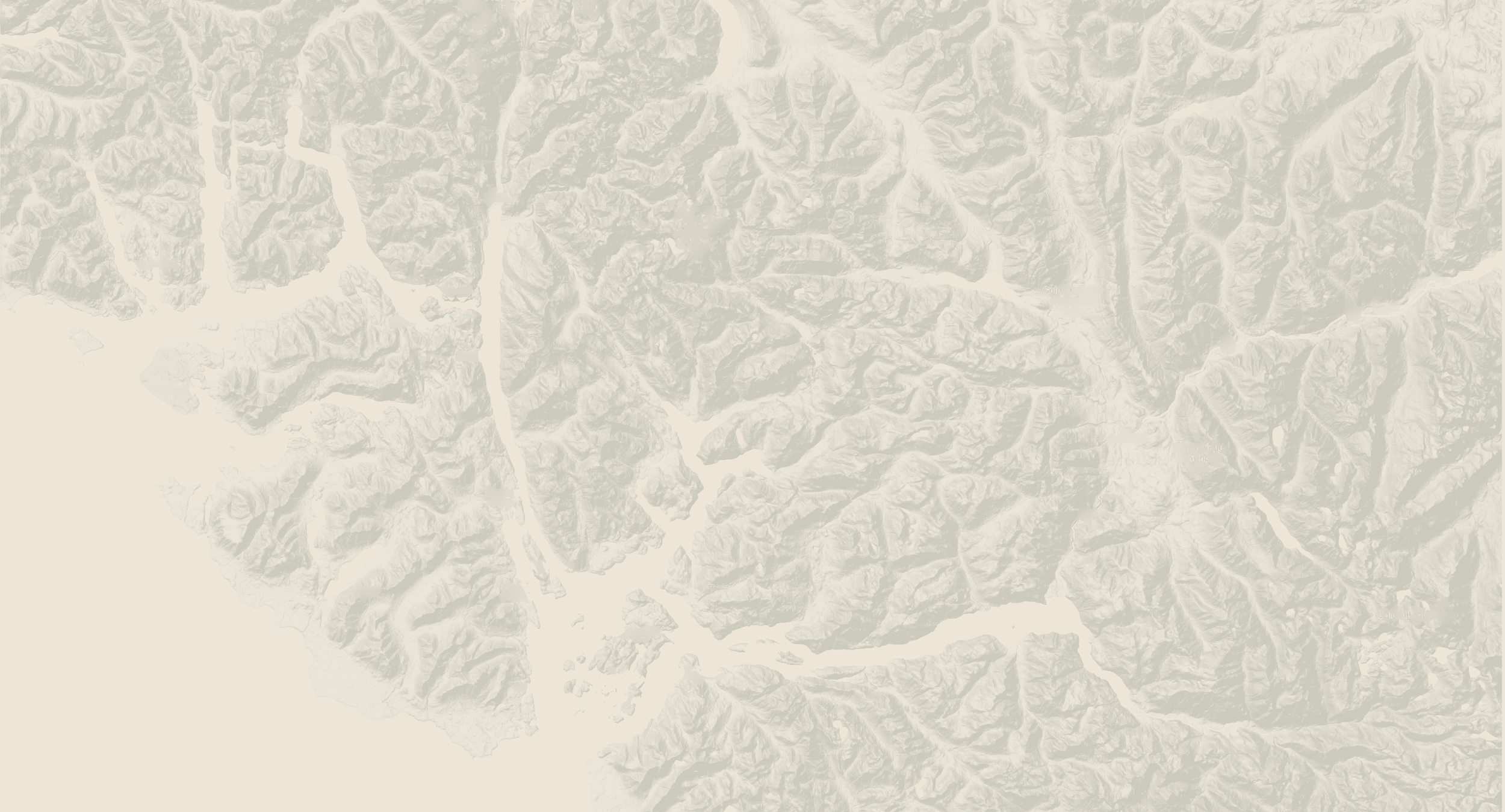
The starting point of this saga is the geology of the pacific coastline. The Juan de Fuca plate is constantly being created far offshore, then moving eastwards like a conveyor belt towards the North American plate. As they collide, the Juan De Fuca plate is being pushed underneath the North American plate, as it does this, the plate (which is colder than the mantle that its sinking into) is dragged even further down by convection, adding to the west-east movement and the inevitable subduction of the plate. This happens at around 4cm a year and over millions of years has created the coast mountains.
Over the last couple of million years this whole coast was buried under ice, thick enough to bury the mountains almost whole. That ice did not sit still. It flowed off the high ground and ground its way down toward the sea, and as it went it carved deep, steep valleys straight through the rock, far deeper than any river ever could. Where the ice was thickest and moving fastest it gouged the valley floors well below sea level.
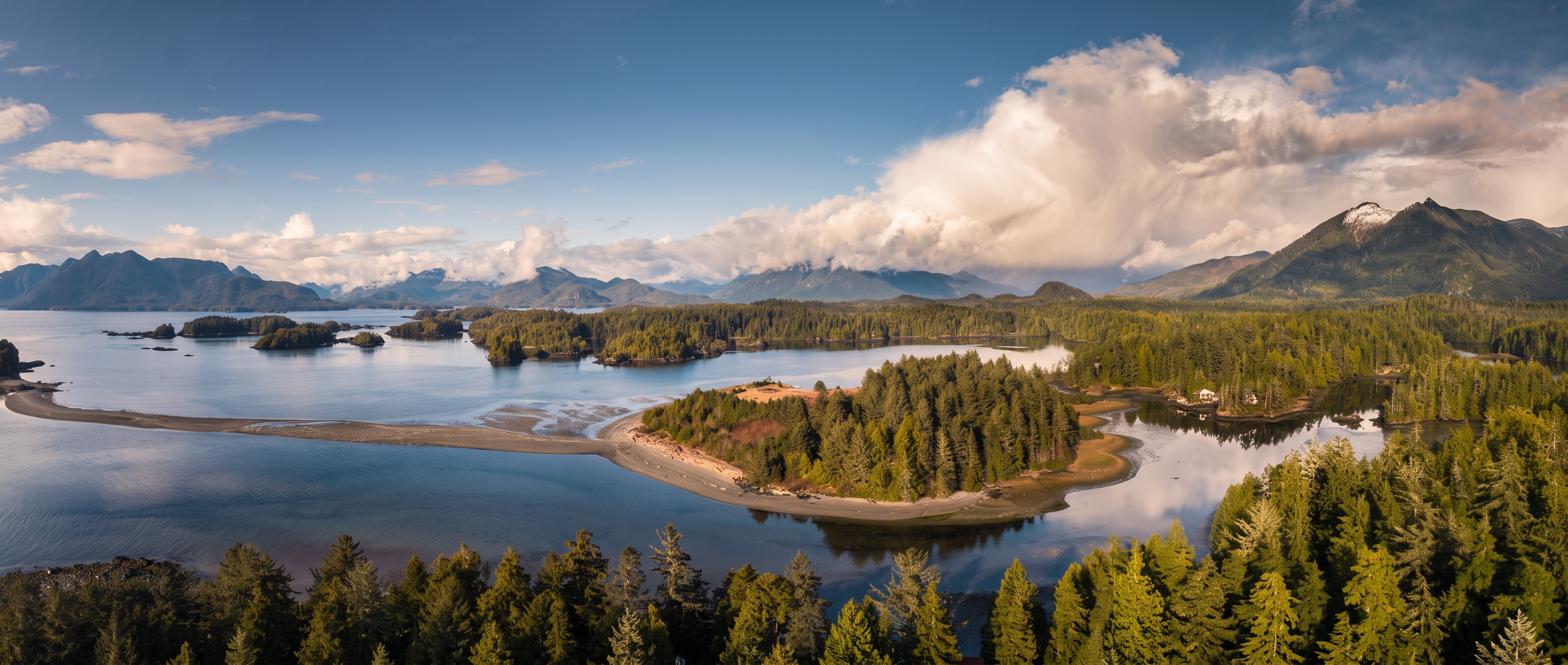
Then about eleven thousand years ago the ice melted and the ocean rose up into everything it had carved. The deep valleys filled with seawater and became the fjords and the channels. The ridges and peaks left standing between them became the islands. That is the coast you see today, a drowned mountain range, all steep-sided inlets and thousands of islands with the forest running straight down to the tideline.
This set the scene for the explosion of flora and fauna that were able to colonize the almost infinite coastline that is drenched in precipitation and served a constant supply of nutrients from the ocean
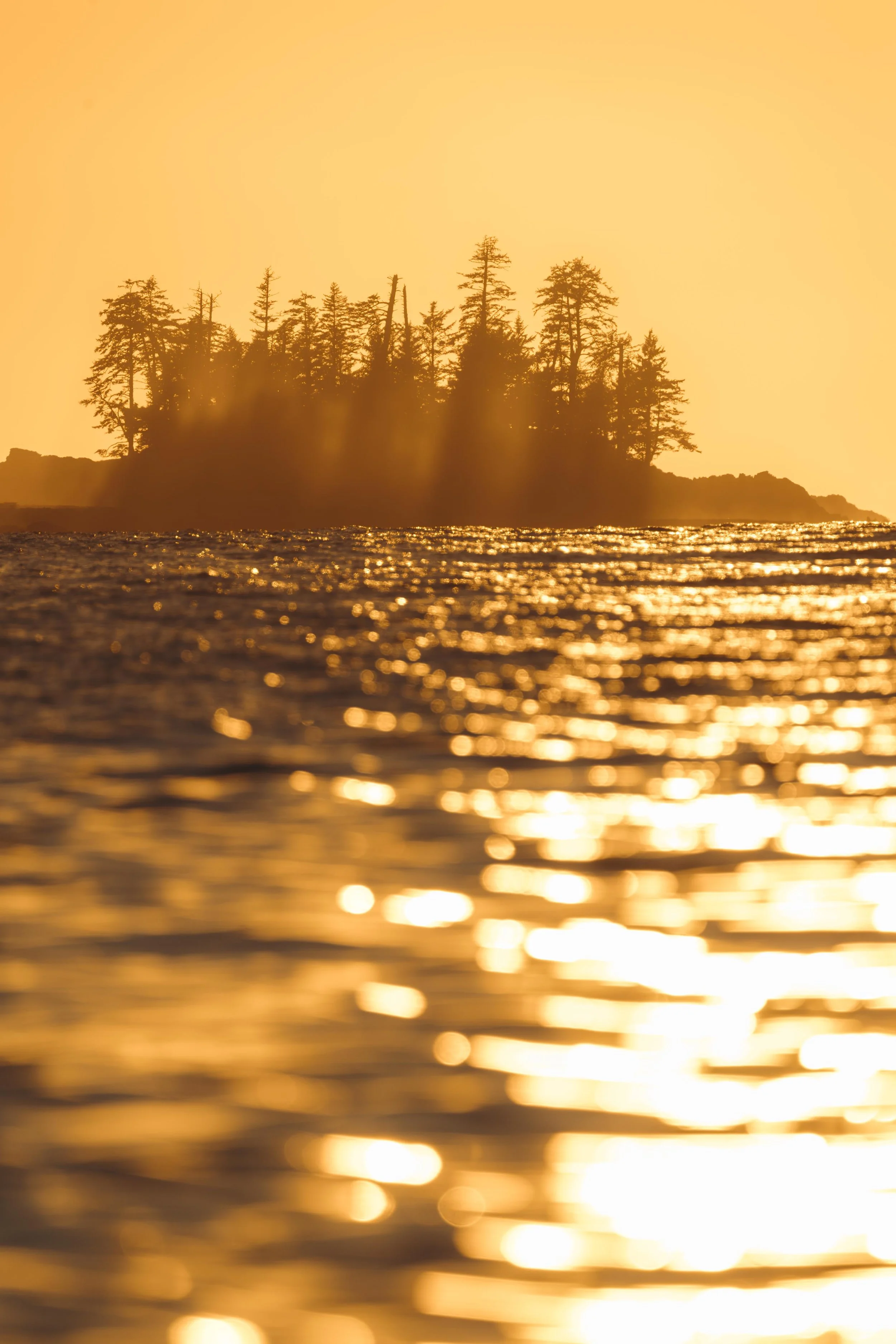
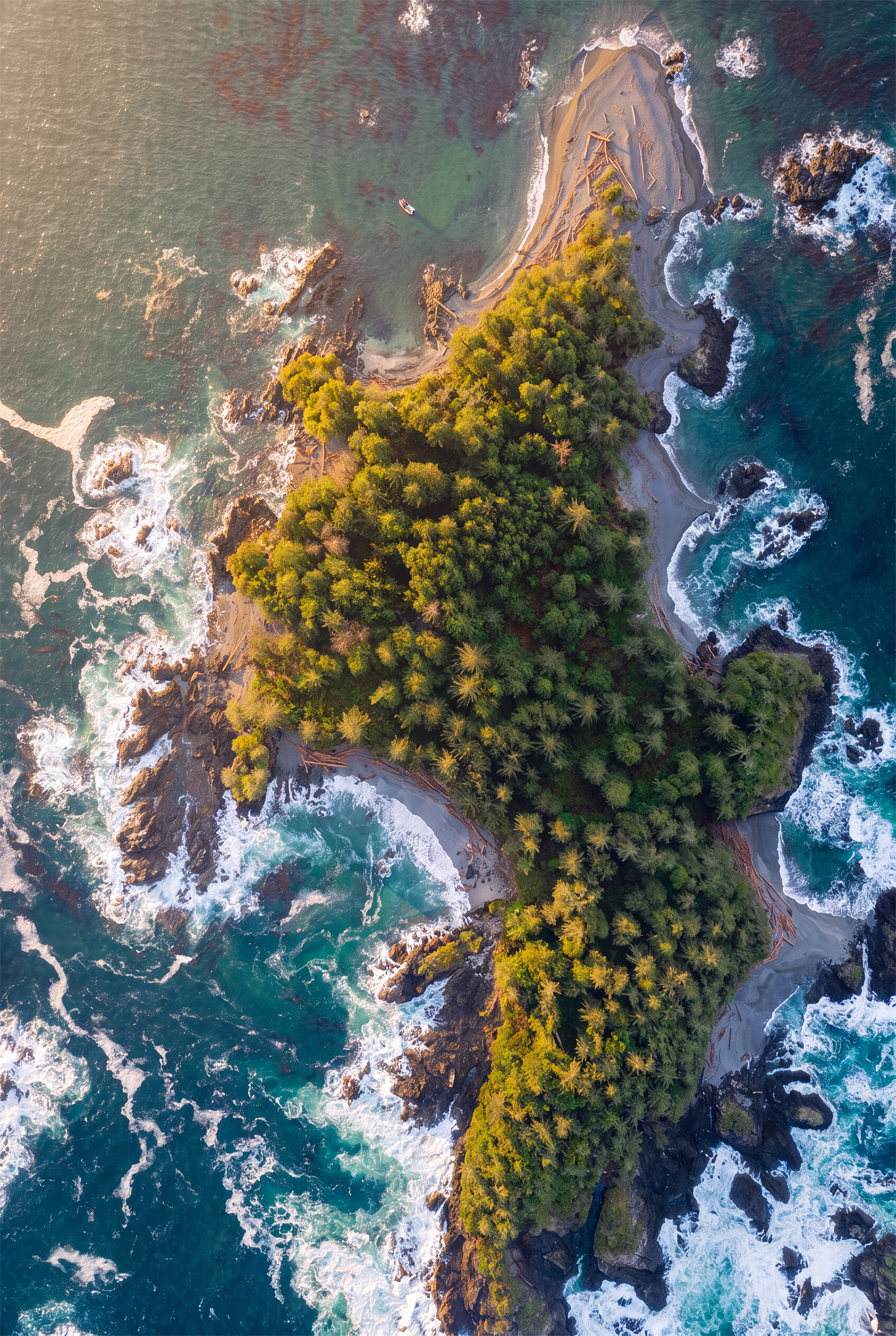
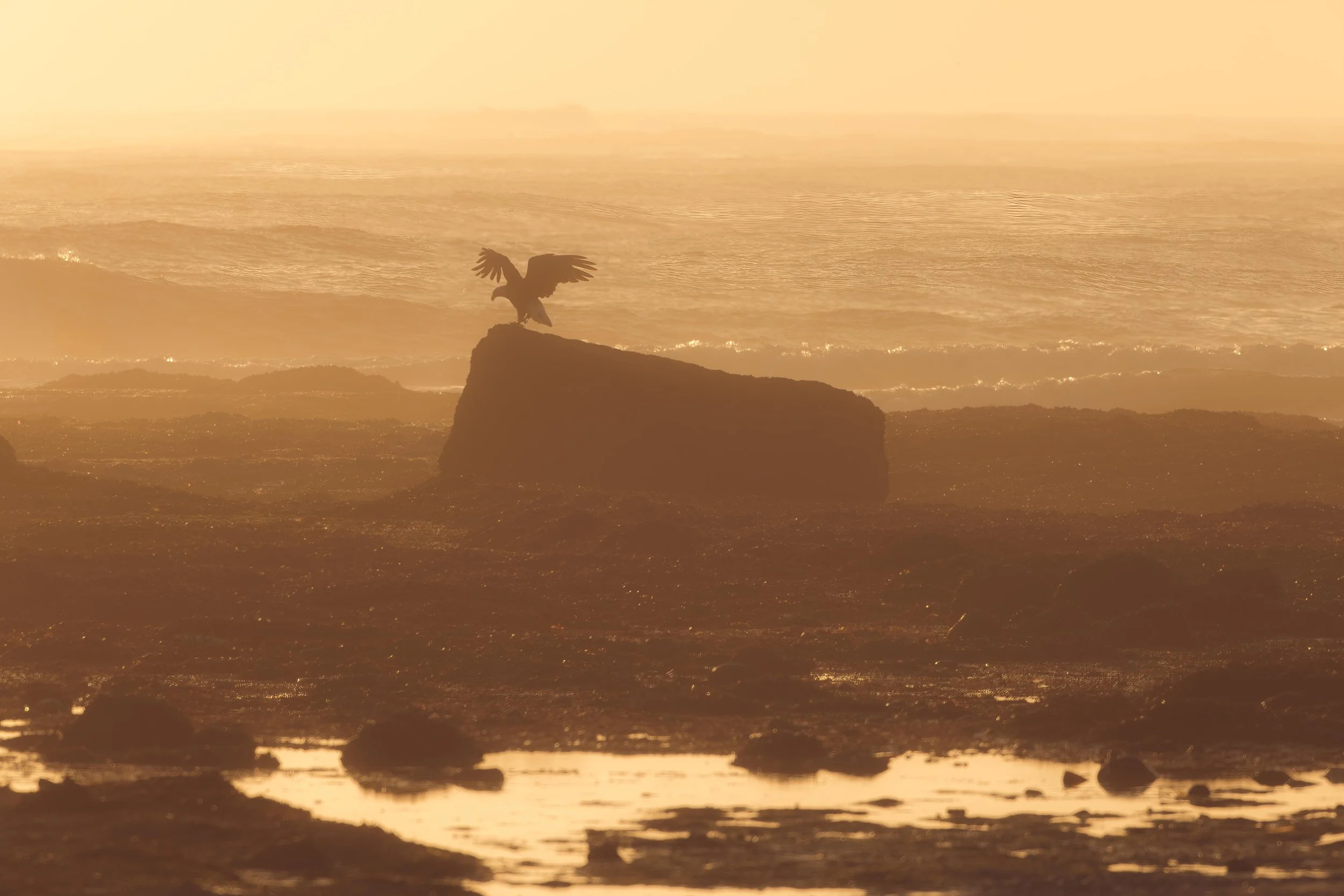
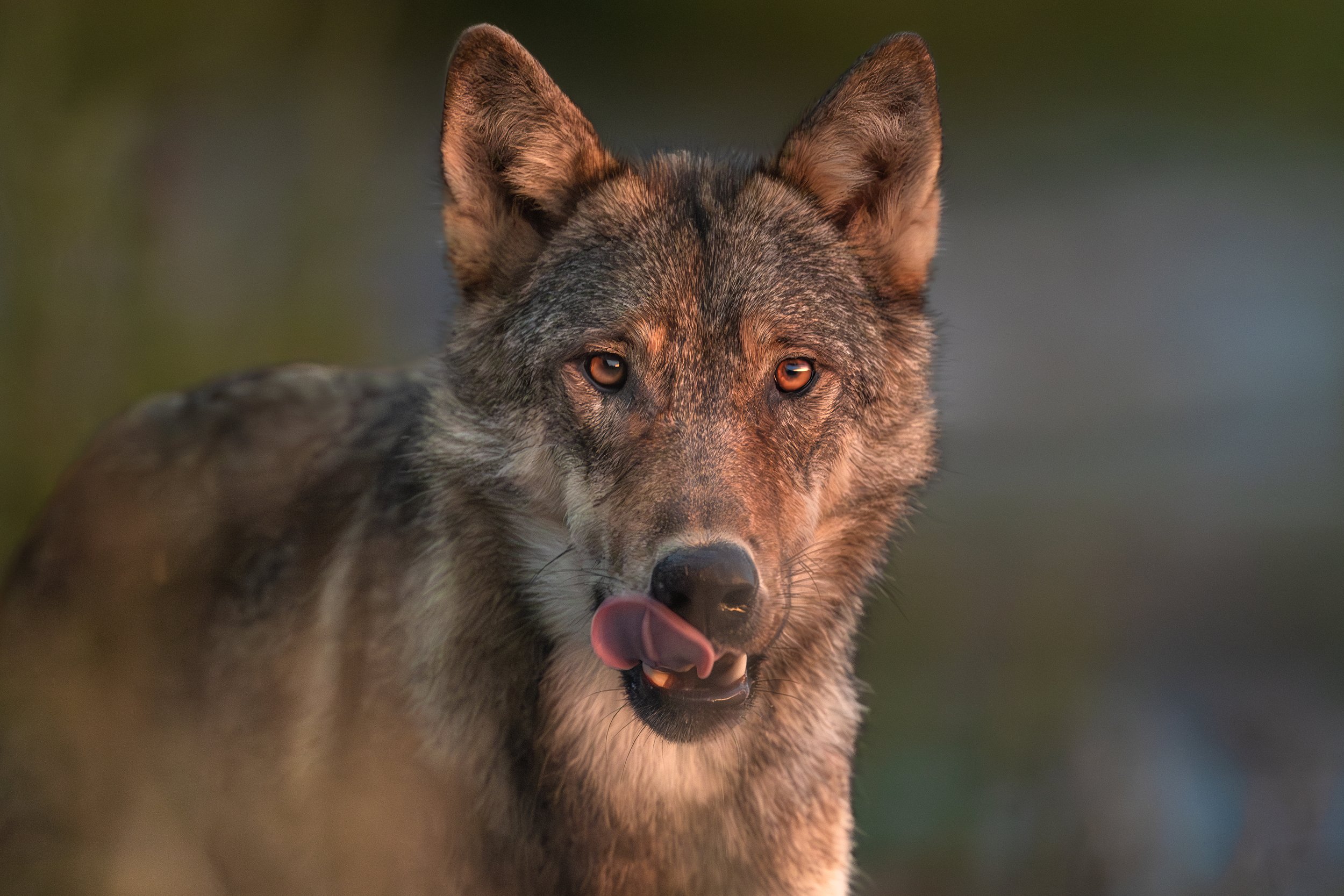
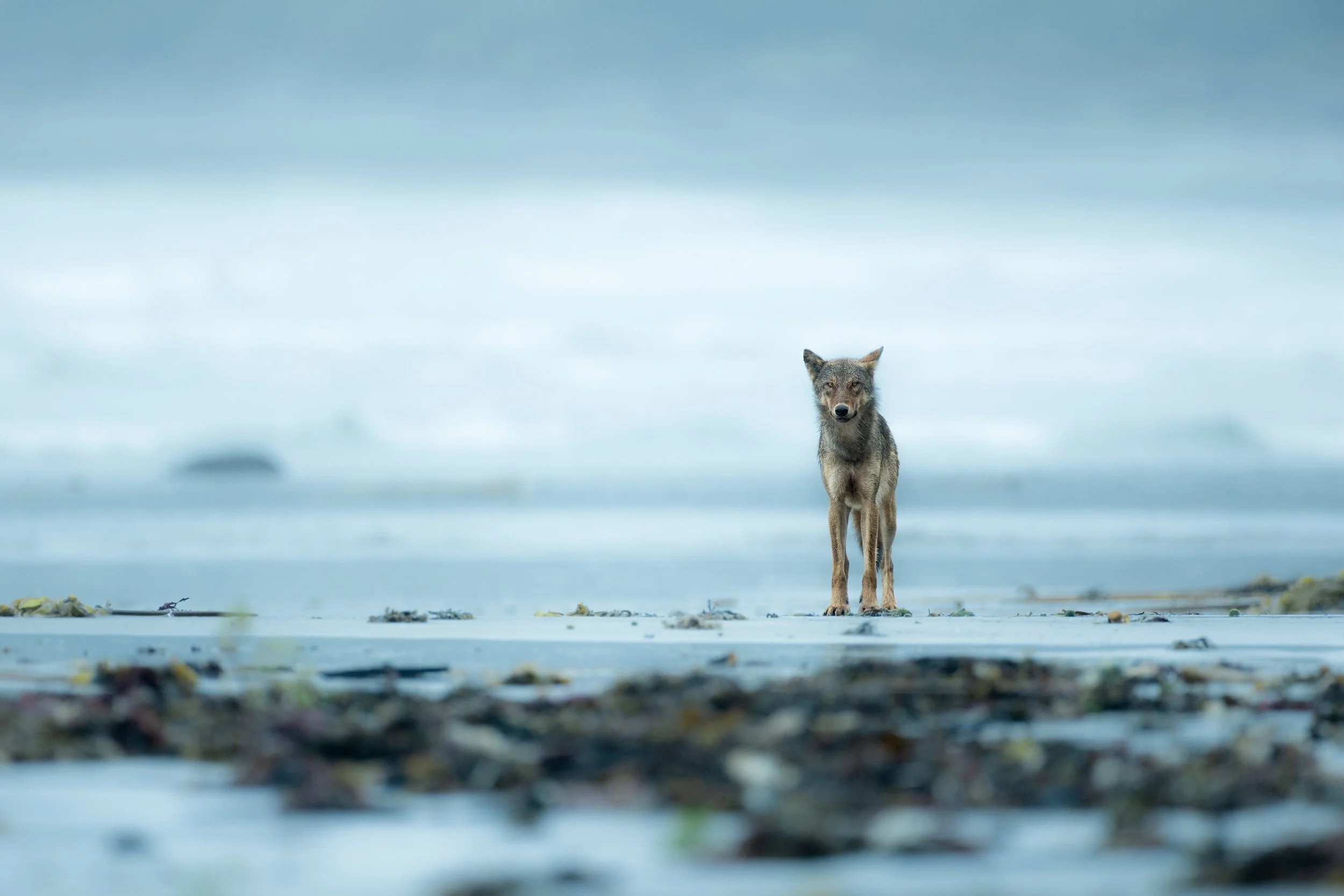
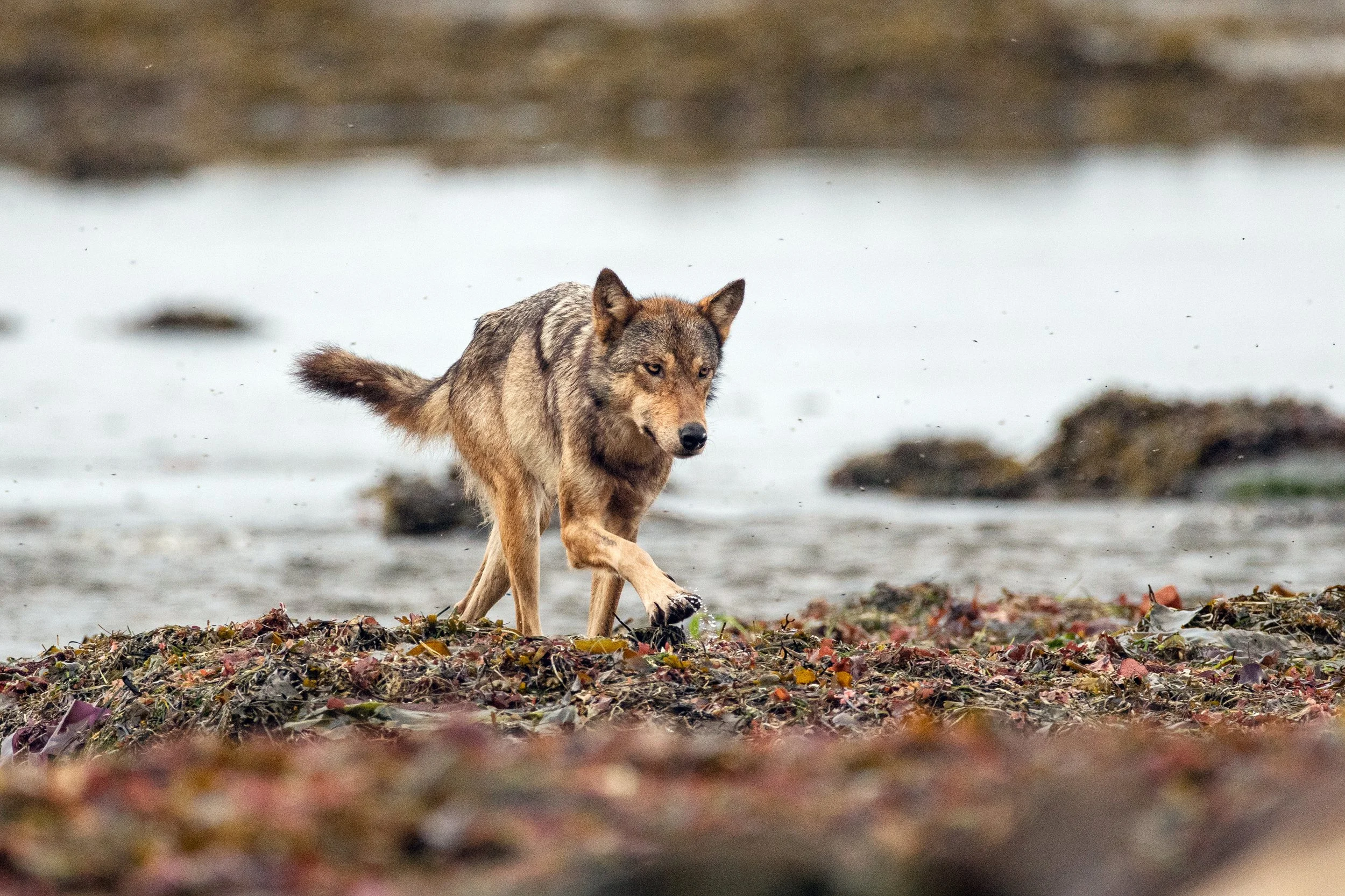
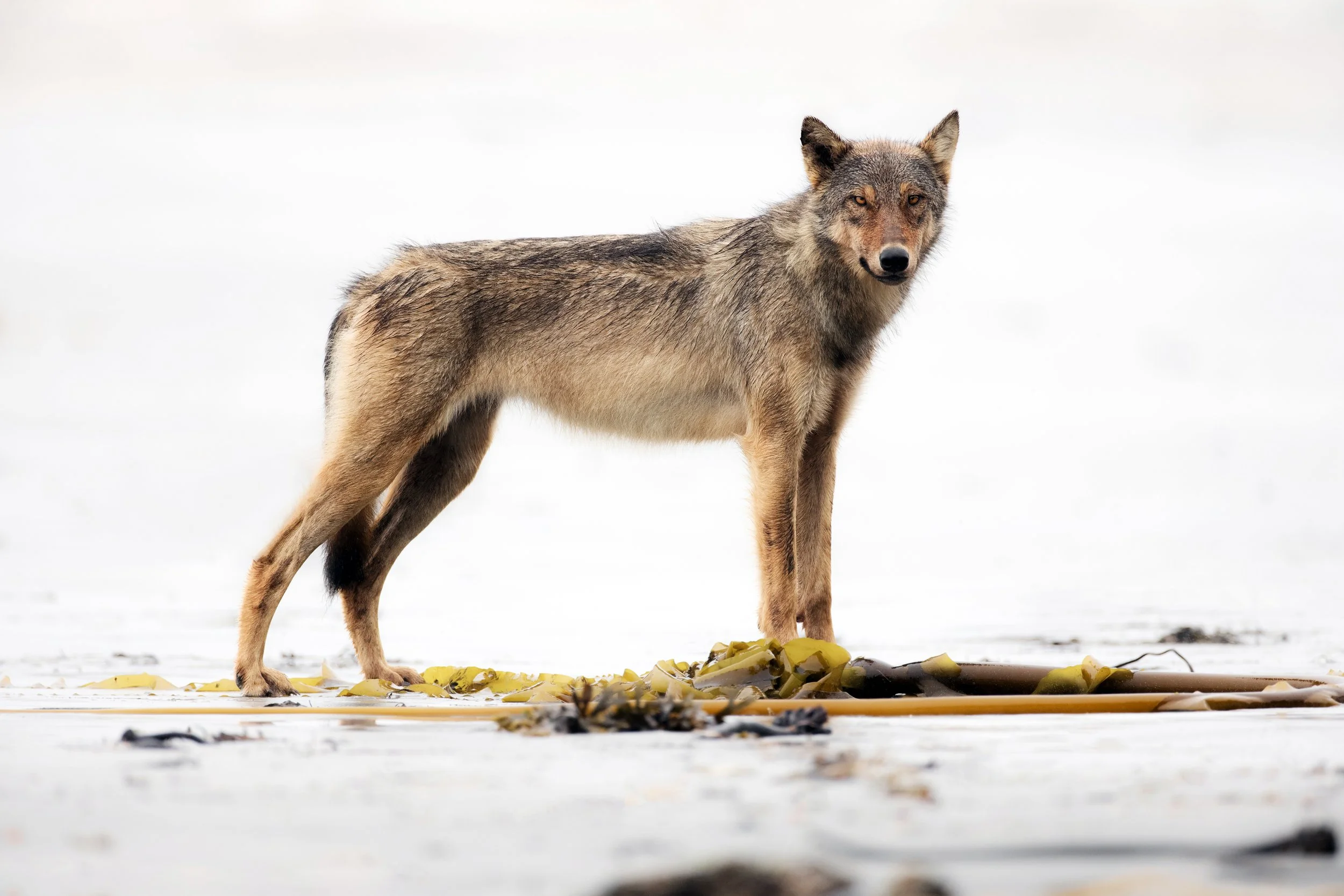
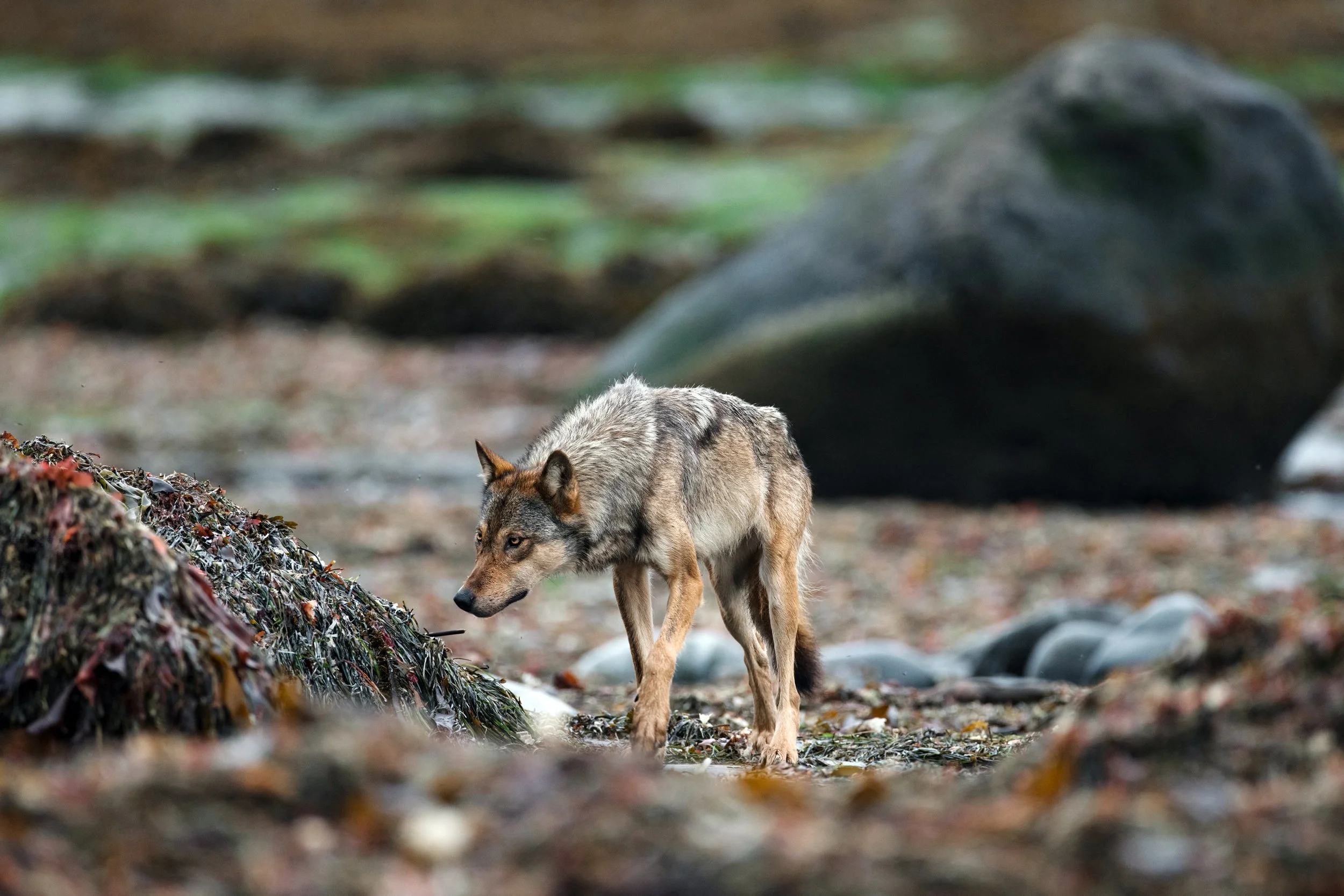
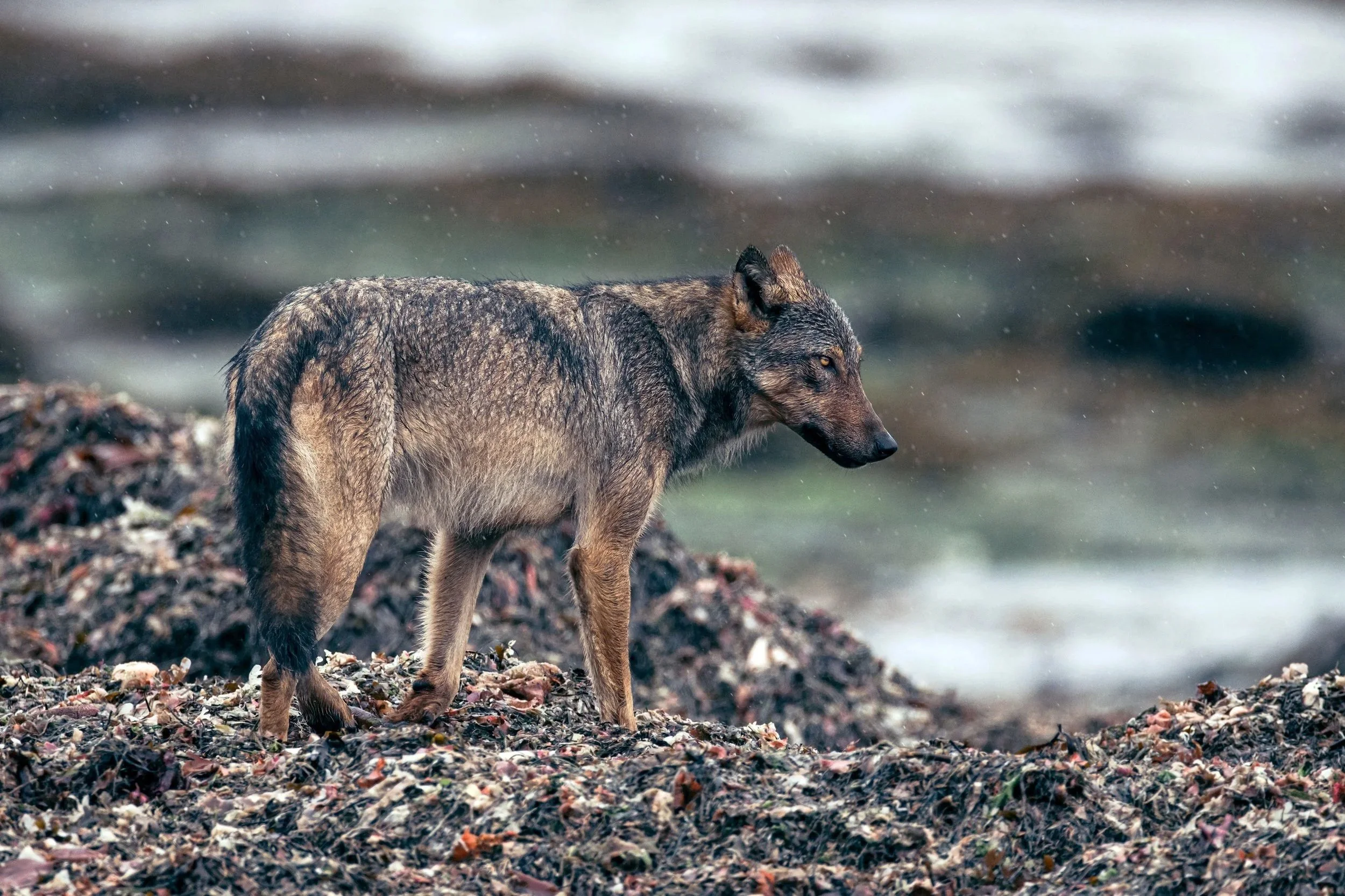
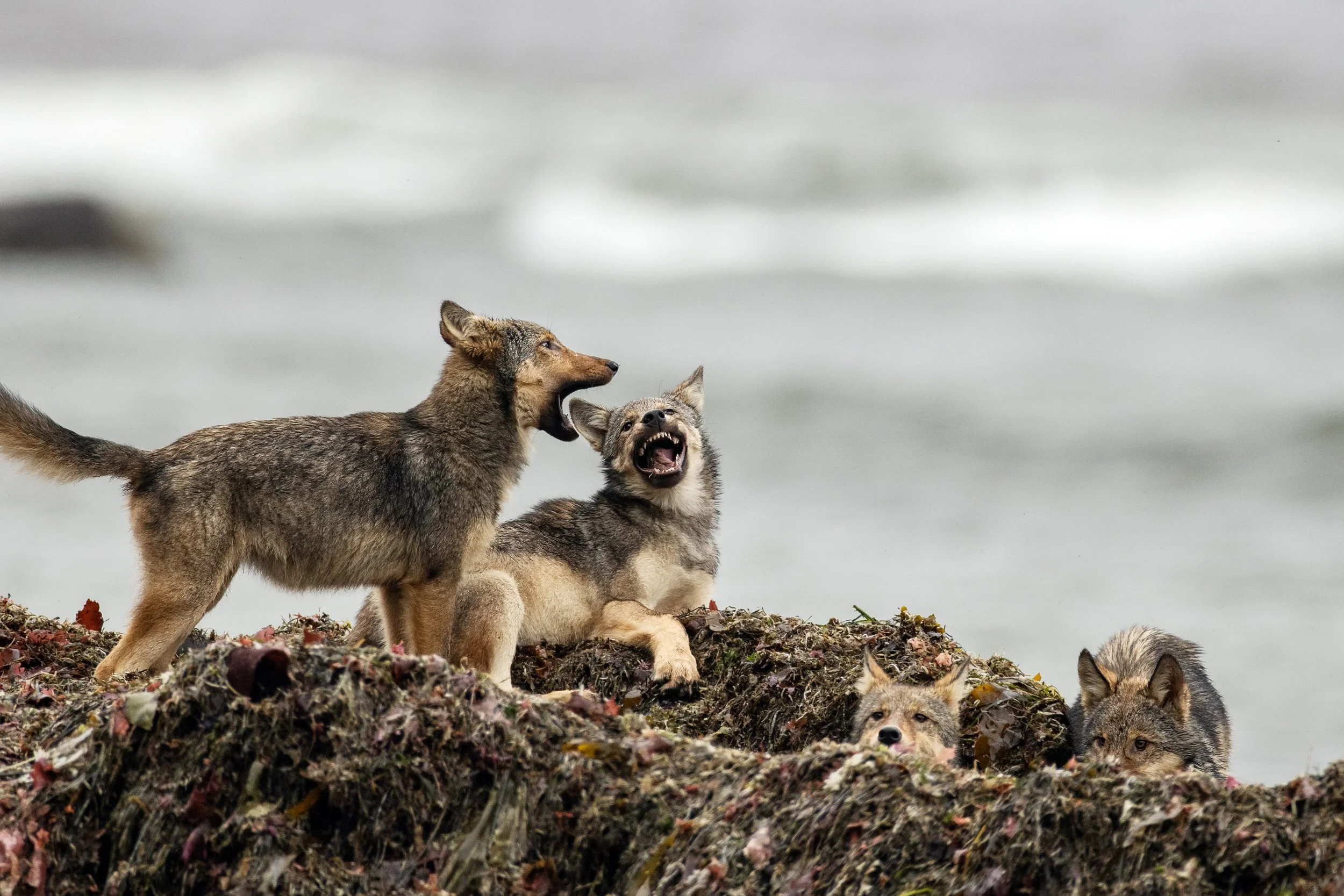
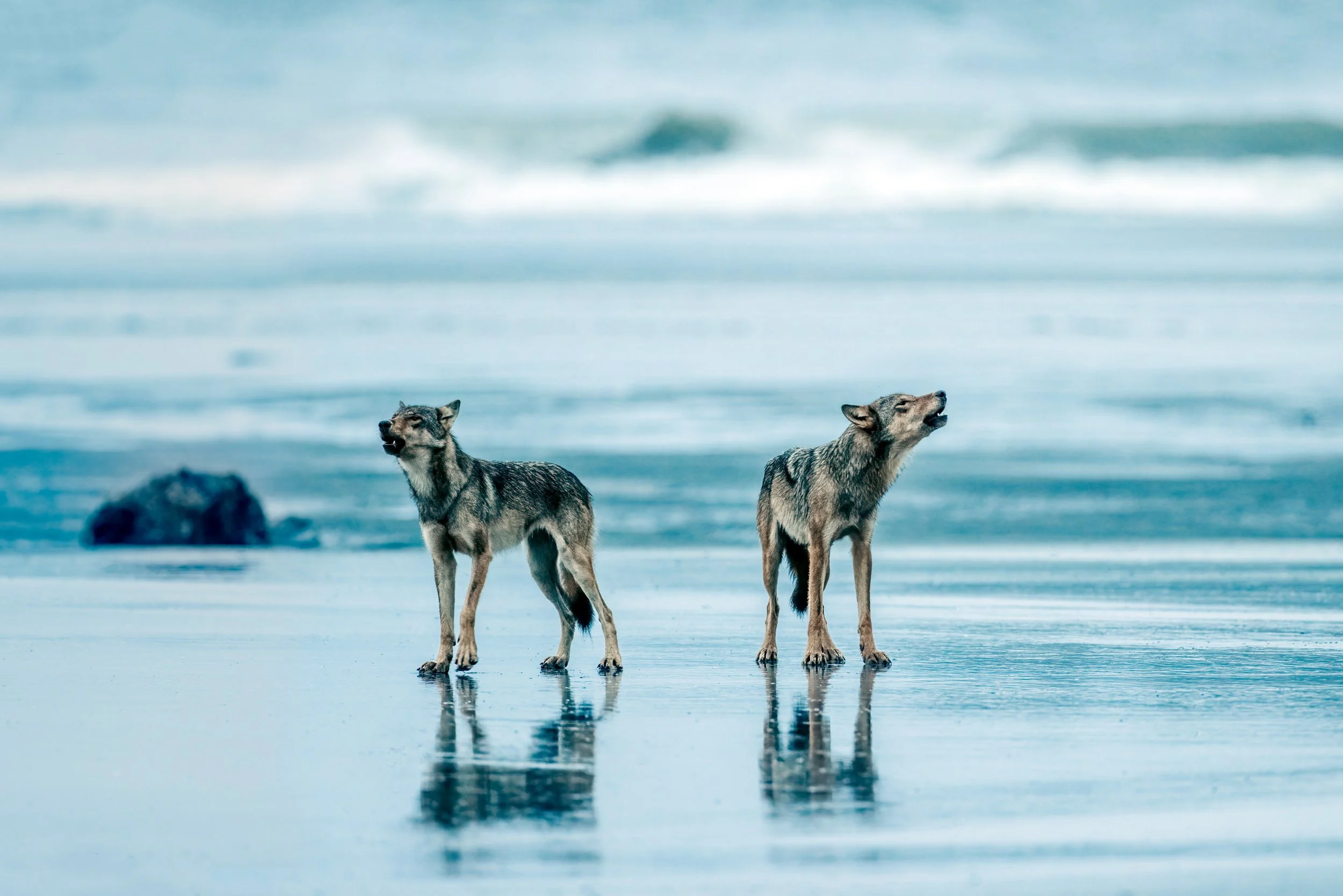
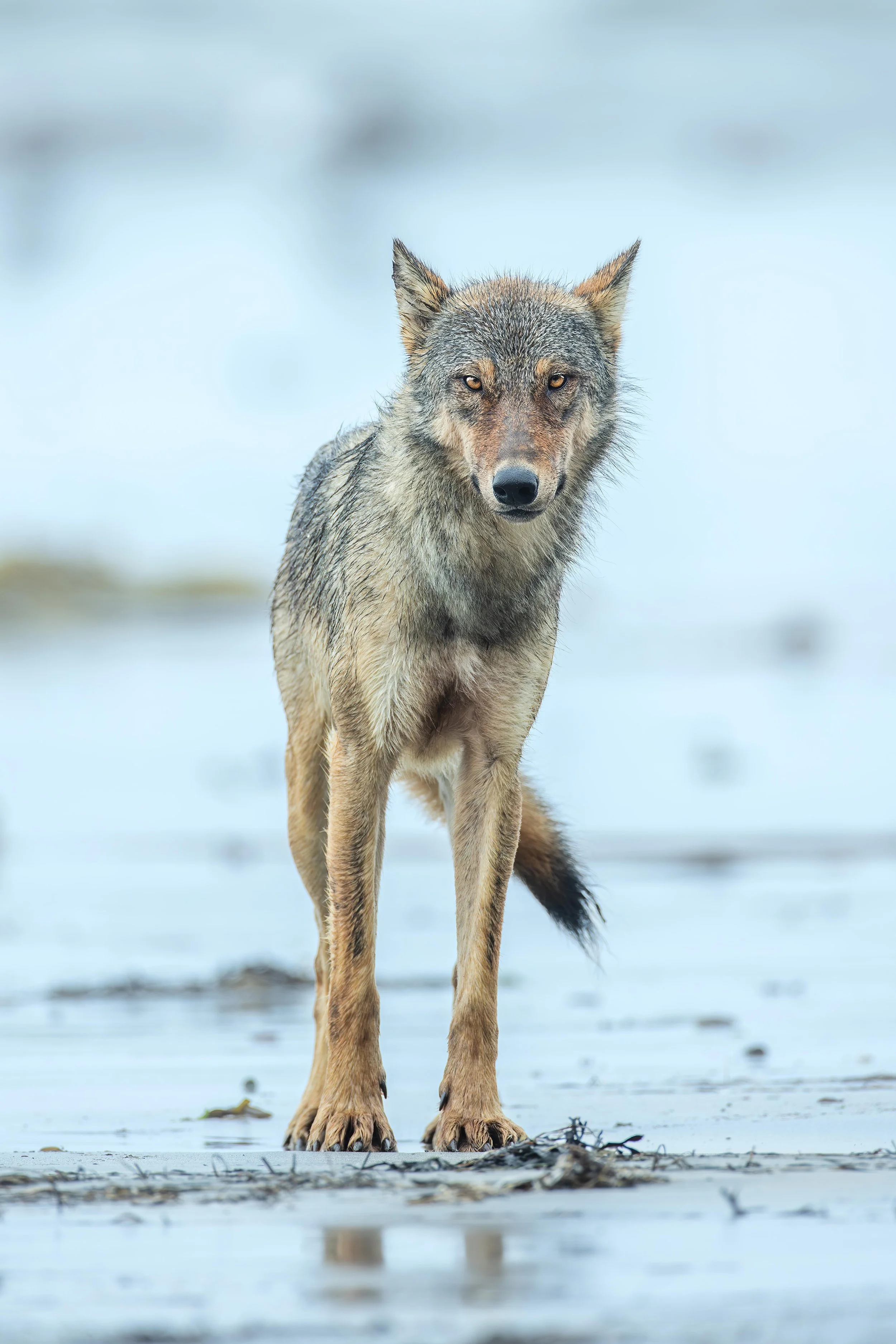
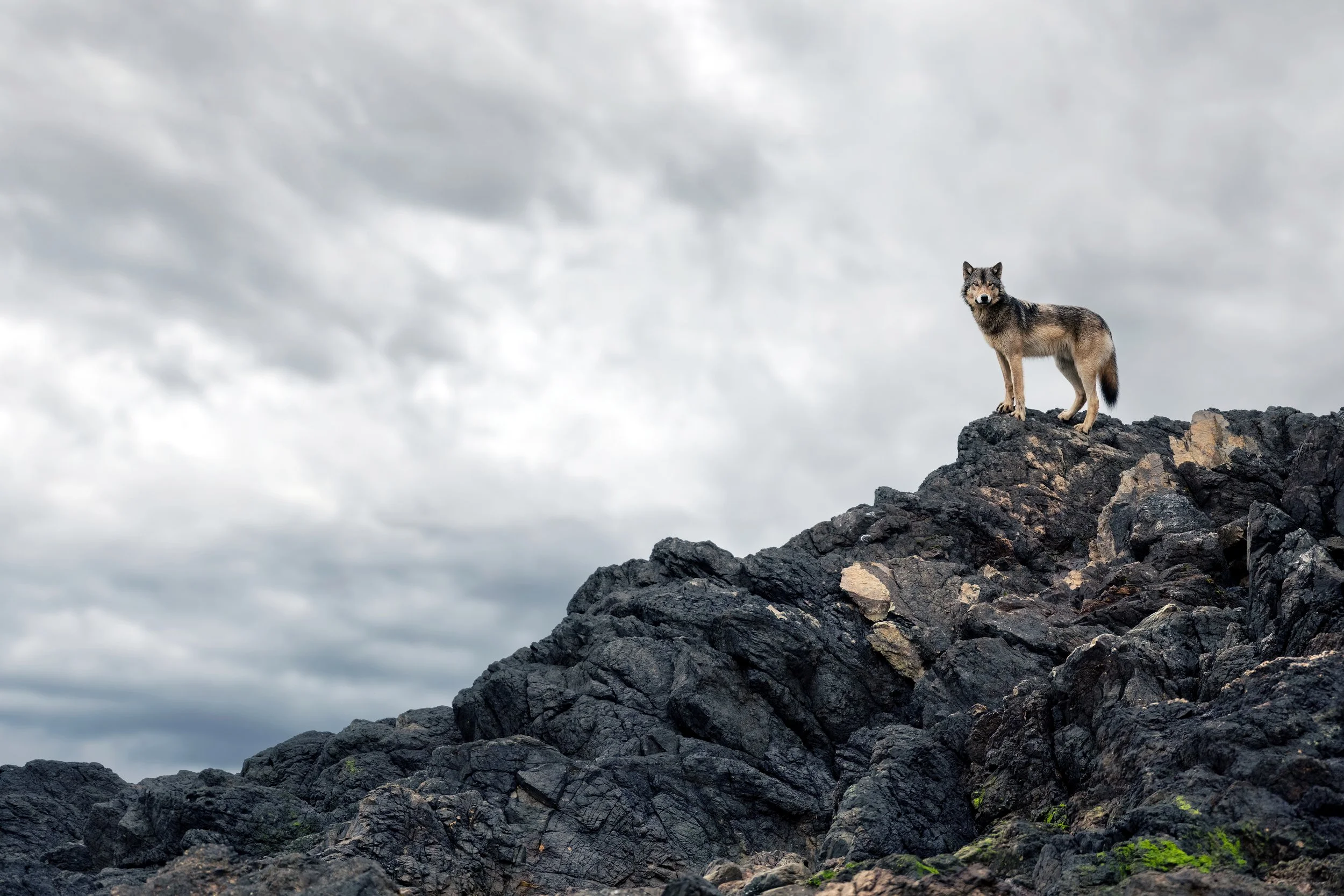
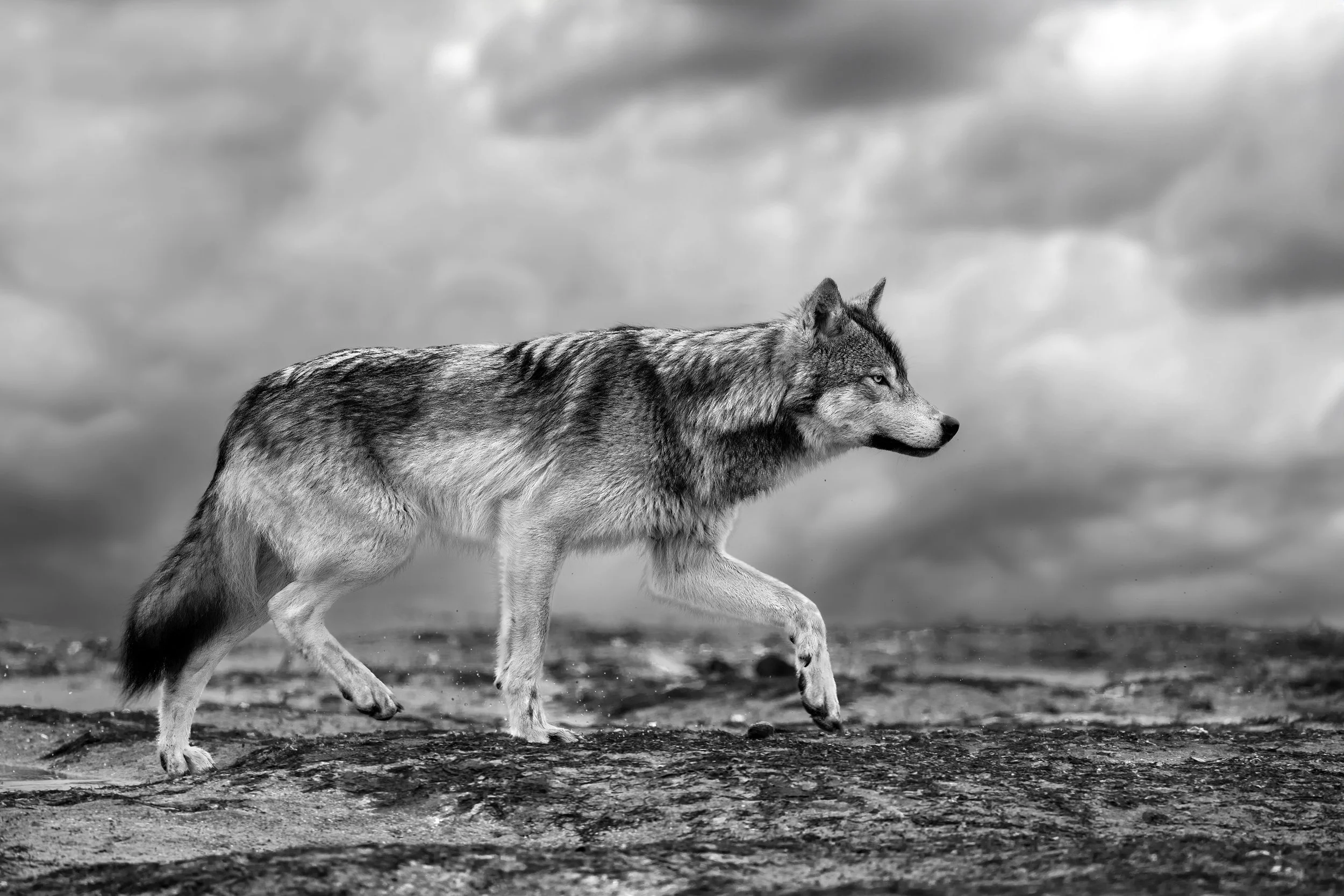
Coastal wolves are unique ecotype that is endemic to the PNW. They are the same species as the wide ranging grey wolf, but a 2014 study by Raincoast and the Heiltsuk Nation confirmed they are genetically and physically different from the wolves living just inland, close enough to meet but not the same animal. They are smaller, darker, and built a little differently, right down to their skulls and teeth. They are known in the area as Sea Wolves, Coastal Wolves and even Rain Wolves due to the high precipitation levels in their rainforest habitat.
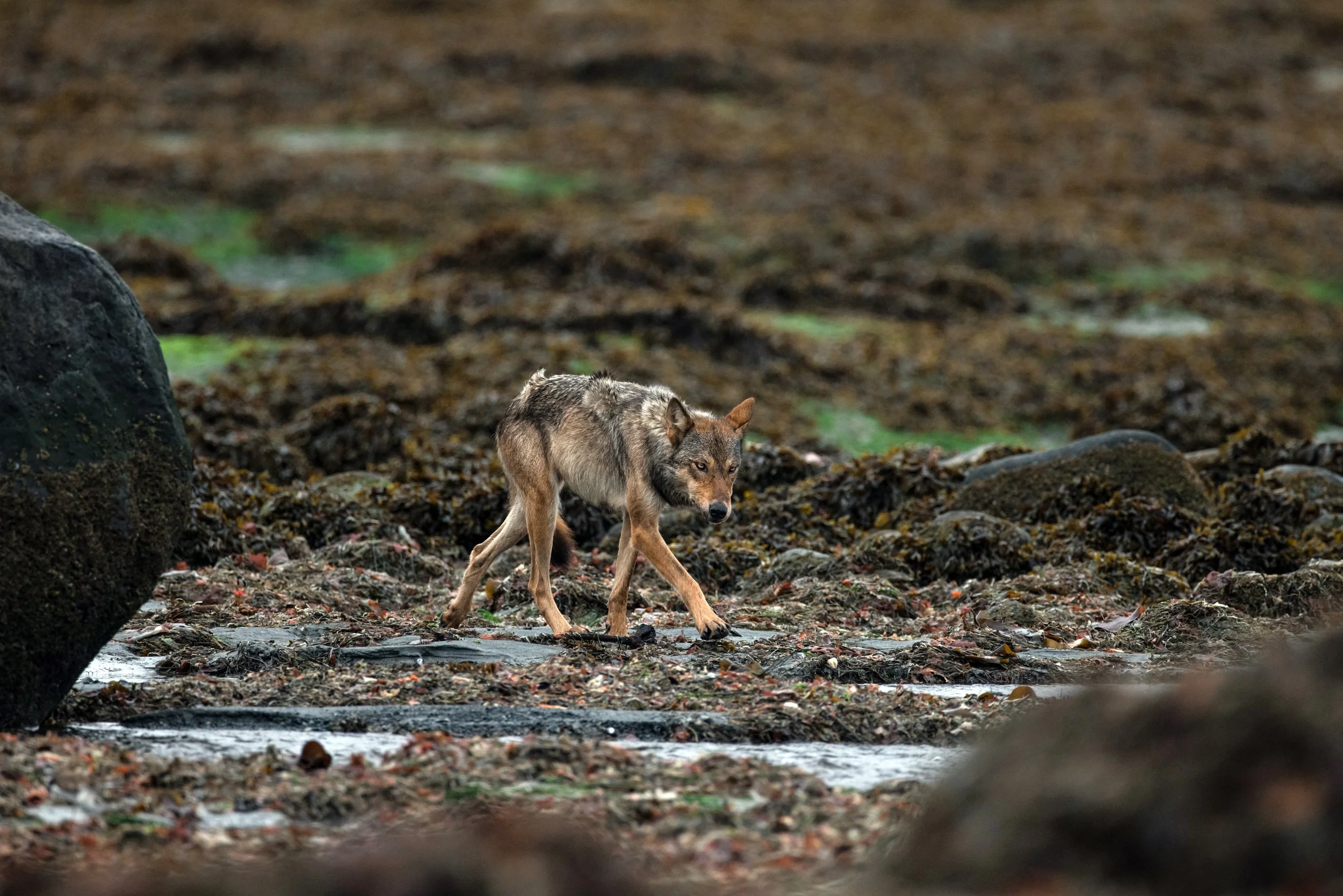
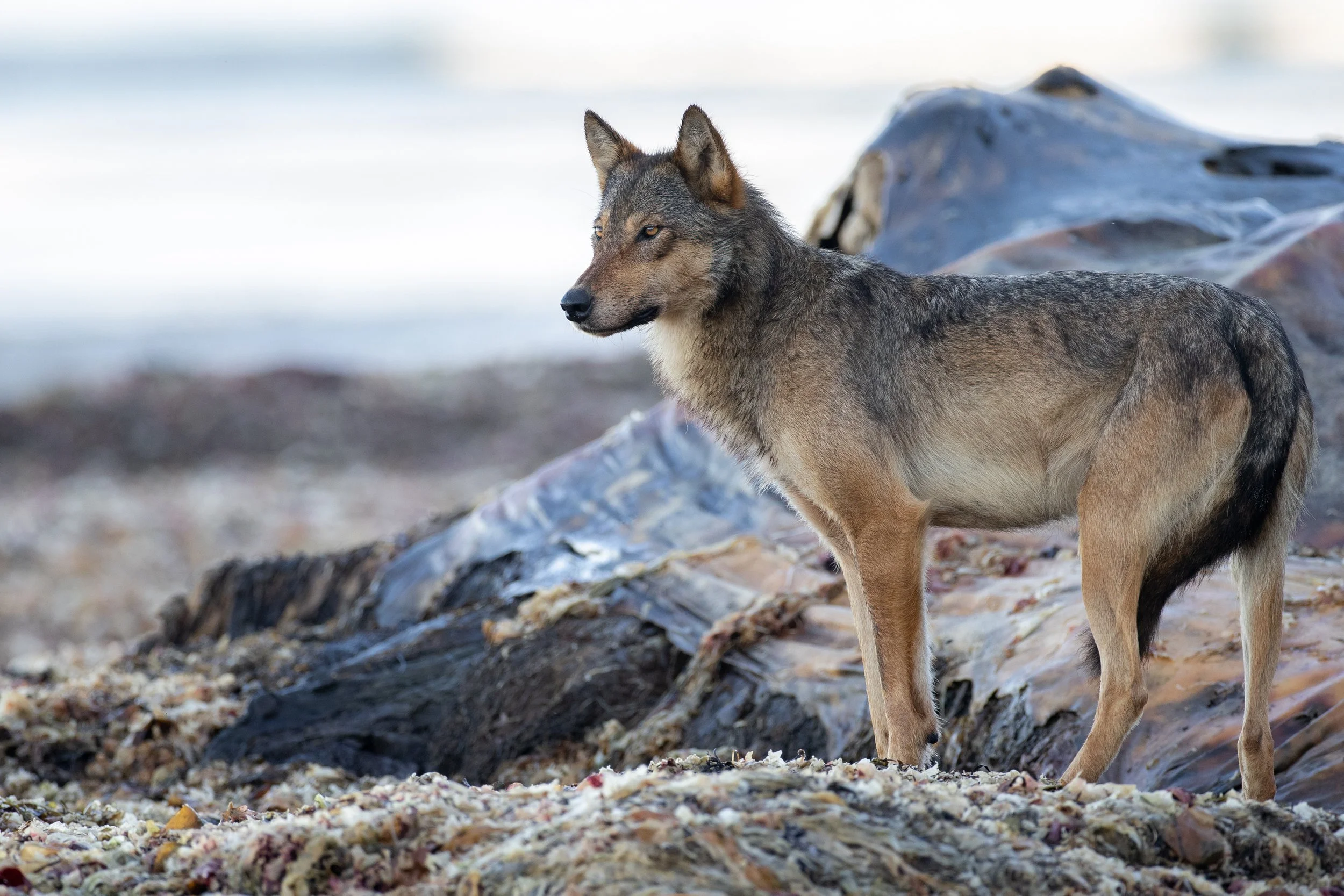
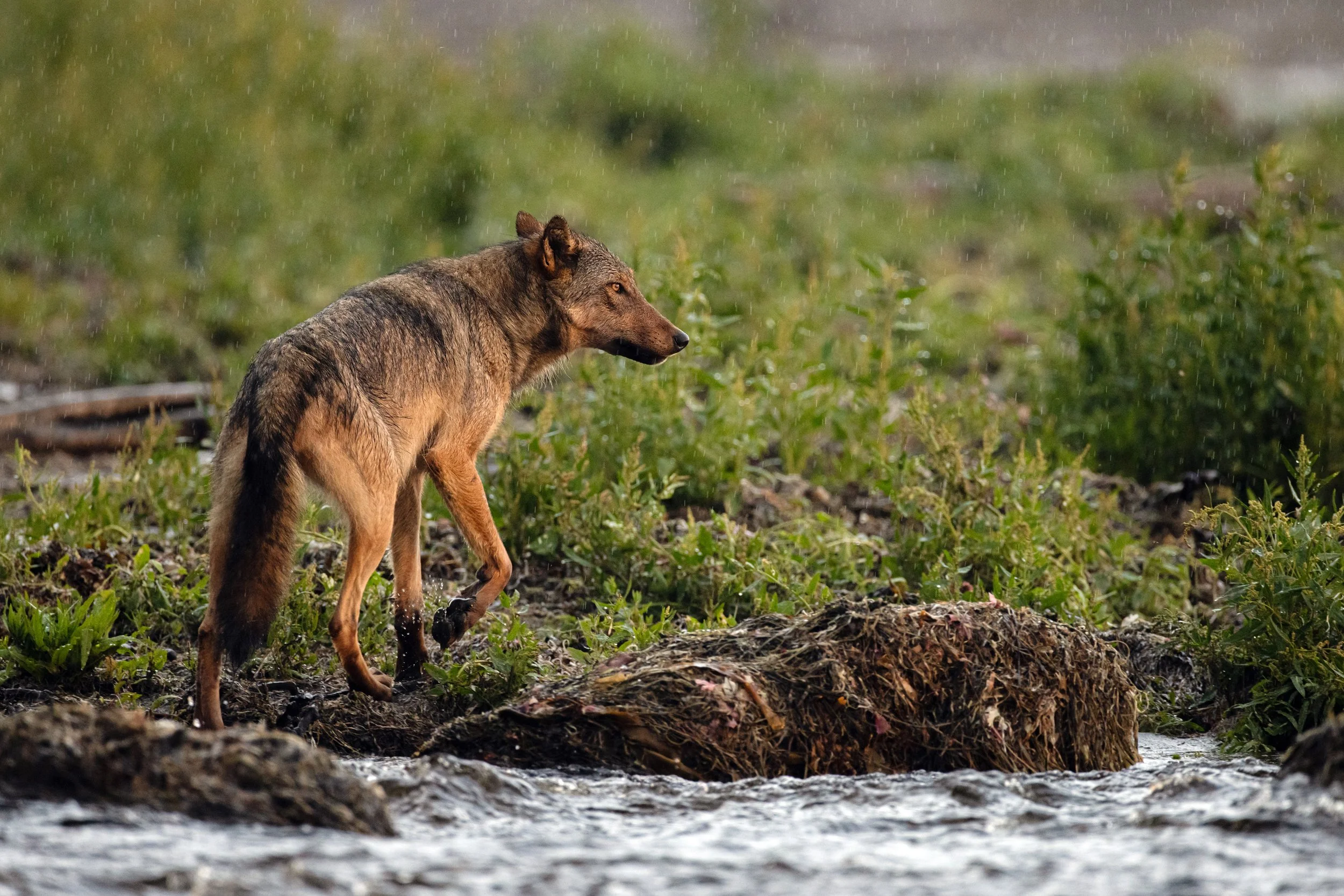
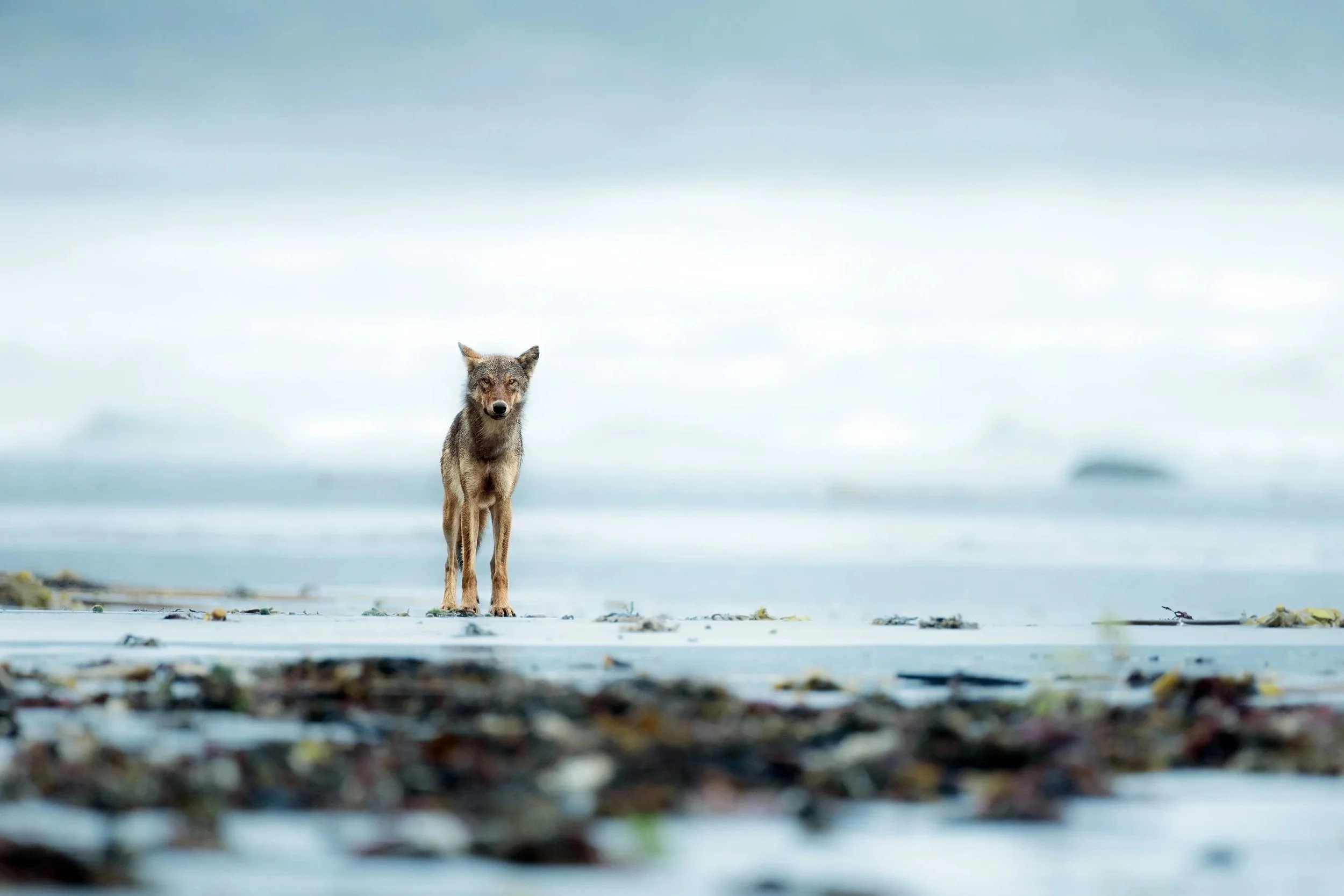
They live in the intertidal zone right on the edge of the coastline and survive almost totally on the ocean bounty that is washed up twice a day. More than three quarters of what they eat comes from the sea, and on the outer islands it can be as high as ninety percent. Salmon is about a quarter of it, and the rest is seals, beached whales, crabs, shellfish and herring eggs, whatever the tide hands them. They are extremely clever though and will often consume just the head of salmon and leave the rest lying there. Researchers think this is them going for the richest, fattiest part while steering clear of a parasite in the body that can kill a dog. I do not know anywhere else on earth where wolves have turned to the sea like this.
They are incredible swimmers. They will cross open water between islands to get to food, sometimes up to twelve kilometres in a single go, which for a wolf is remarkable. It is the only way to hold a territory on a coast that is more water than land. They are found west of the mountains, right through the Great Bear, out on the islands of the Salish Sea and Vancouver Island and up into Alaska. They are animals of the tideline, moving with the shore, and they have been part of the First Nations of this coast for as long as anyone has been here.
Unfortunately, none of this protects them. For how special and how specific they are, the coastal wolves have no protection of their own, and wolves in BC are still hunted for enjoyment and culled in expensive government drives which is a big part of why I keep going back to photograph them, and why groups like Raincoast, who I have worked with, keep fighting for them.
The outer coast of Vancouver Island, around Nootka Sound, is the territory of the Nuu-chah-nulth (noo-chah-nulth). "Nootka" was never their name. When Captain Cook arrived in 1778 he misheard a word and misapplied it, and it stuck to the sound and the people for two hundred years. Their own name, Nuu-chah-nulth, means roughly "all along the mountains and sea," which is exactly where they live.
They are an ocean people, distinct from their neighbours. Their language belongs to the Wakashan family, which sets them apart from the Coast Salish to the south and east, and they have lived along this coast for thousands of years. Their main historic village, Yuquot (yoo-kwot) in Nootka Sound, has been lived in for something like four thousand years, one of the longest continuously occupied places on the whole coast. The Nootka Sound nation today is the Mowachaht/Muchalaht (moh-watch-aht / mutch-a-laht), one of fourteen Nuu-chah-nulth nations strung along about three hundred kilometres of the island's Pacific side, each led by hereditary chiefs, the ha'wiih (ha-wee), over their own territory.
Their life ran on the sea. Salmon and halibut, shellfish and sea mammals fed them, but what set them apart was whaling. The Nuu-chah-nulth were one of the very few peoples on earth to hunt whales from open cedar canoes, which is an extraordinary feat. The hunt sat at the centre of their ceremony, their songs, their names and their rank. It took a chief, trained and ritually prepared, to lead it. This was a culture built entirely around the ocean, thousands of years before anyone sailed in from the other side of it.
In 1778 Cook anchored at Yuquot, the first lasting European contact anywhere on the coast of what became British Columbia. Within a few years the sound was the hub of the maritime fur trade and the flashpoint of a standoff between Britain and Spain that nearly started a war. So this quiet cove on the outer island is, in a real sense, where the whole colonial story of this coast began.
That story is still being rebalanced. In 2011 five Nuu-chah-nulth nations signed the Maa-nulth (mah-nulth) treaty, winning self-government, around 24,500 hectares of land and settlement funds. In a long-running court case the Nuu-chah-nulth won recognition of their right to fish and to sell their catch, a right the sea had given them long before Canada existed. The ocean that built them is, slowly, being recognised as theirs.
A note on the neighbours. South and east of the Nuu-chah-nulth, around the sheltered water between Vancouver Island and the mainland, are the Coast Salish (say-lish), a large family of nations that includes the Musqueam, Squamish and Tsleil-Waututh, whose land Vancouver now sits on, along with the Cowichan and many more. They are a distinct people with their own Salishan languages, and the sea they live on, the Salish Sea, now carries their name. Like the Nuu-chah-nulth they built their world around salmon and cedar, living in big cedar-plank houses along the shore.
A consistent theme for me in approaching all of the work and of course my existence in this magical place is that I am very aware that this land is not my own. I try to move carefully, not only through these landscapes but also within their cultural history, knowing that I can never fully understand the experiences of Indigenous peoples, nor the loss and suffering brought about through colonization, of which my own ancestors were a part.
What I can do is approach these places with humility, remain willing to listen and learn, and use my photography to help tell stories that deserve to be seen and heard. Whether it is the salmon, the forests, the predators, or the Indigenous communities whose voices have too often been overlooked throughout the colonial history of this land, I hope these images encourage people to look more closely, ask questions, and appreciate the deep connections that bind them all together.
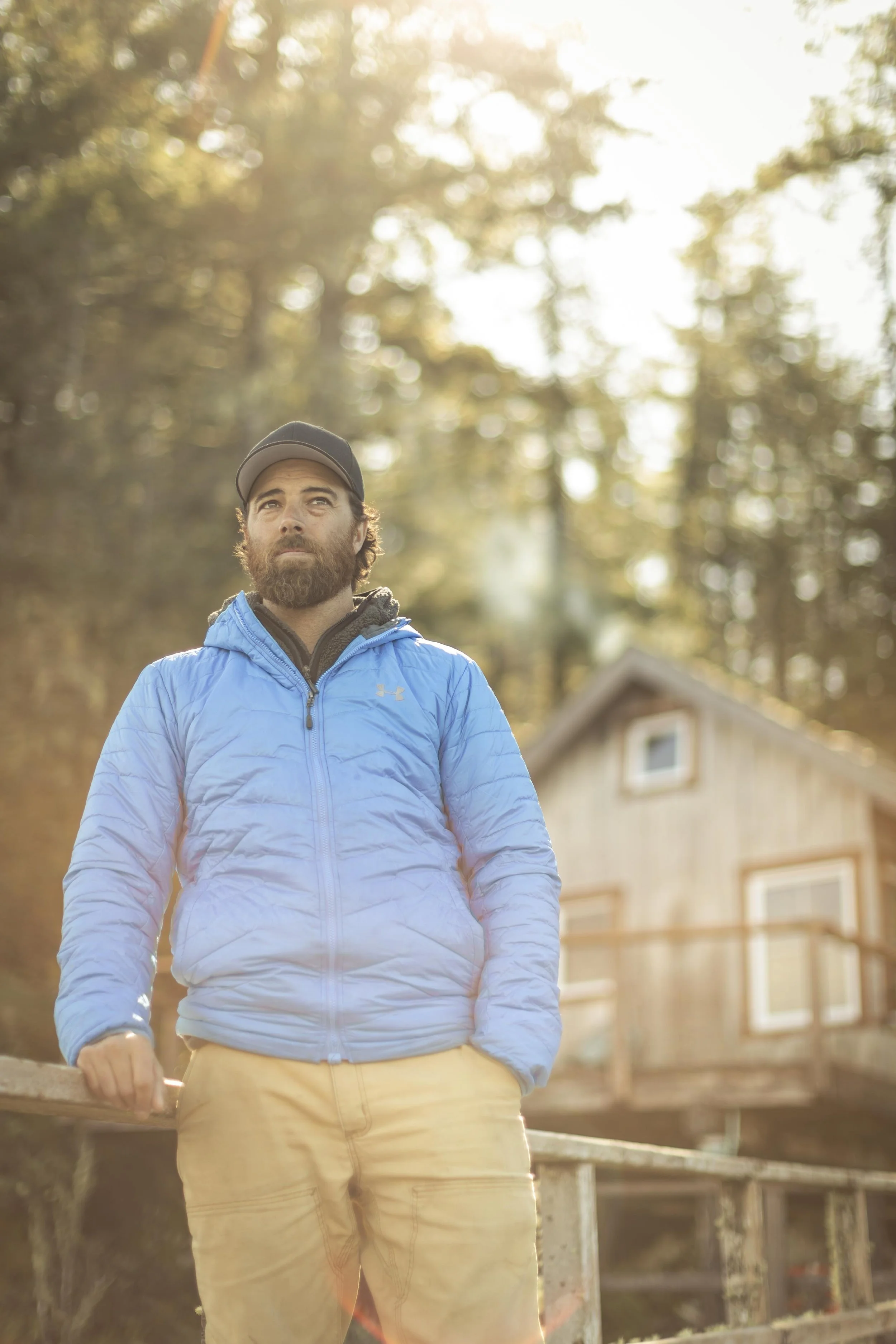
Its important at this stage that I give a huge shoutout to a good friend, Tom McPherson. I know of no one as dedicated or as knowledgeable, not just about the coastal wolves but about everything out here. The whales, the hummingbirds, the wolves, the plants, Tom knows it all.
Tom has given his life, at real cost, to operating in the wilds of this coast. Over the years he has built up the trust of both the wildlife and the Indigenous bands, and it is that trust that has allowed me, and countless other photographers and film crews, to come out here and tell the story of this magical place on the edge of the continent. He has given this area a voice like no one else has, through his own work and by guiding the likes of the BBC, Netflix, NatGeo and AppleTV through the wilds, getting them to the grit and the beauty of the characters in this epic story.
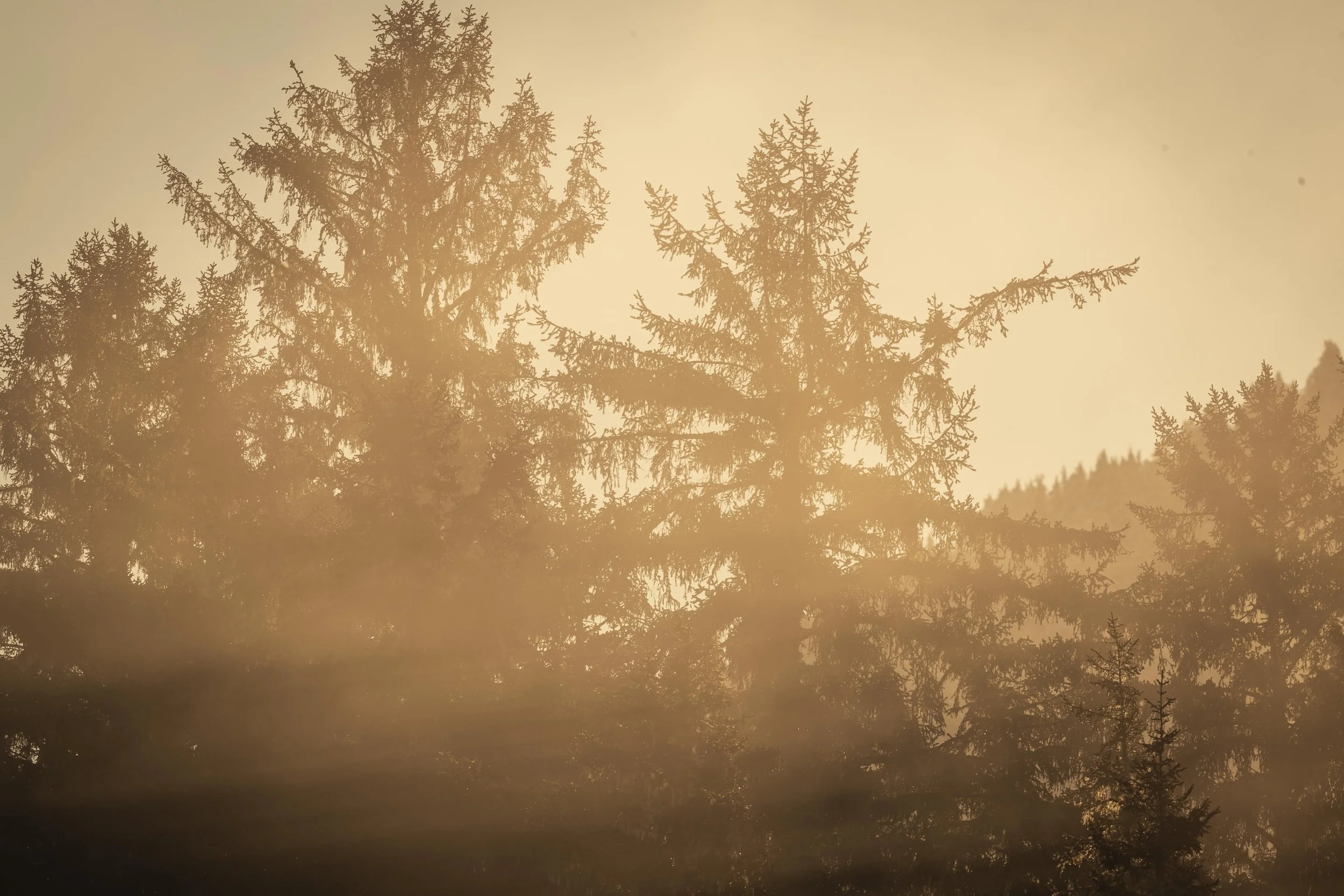
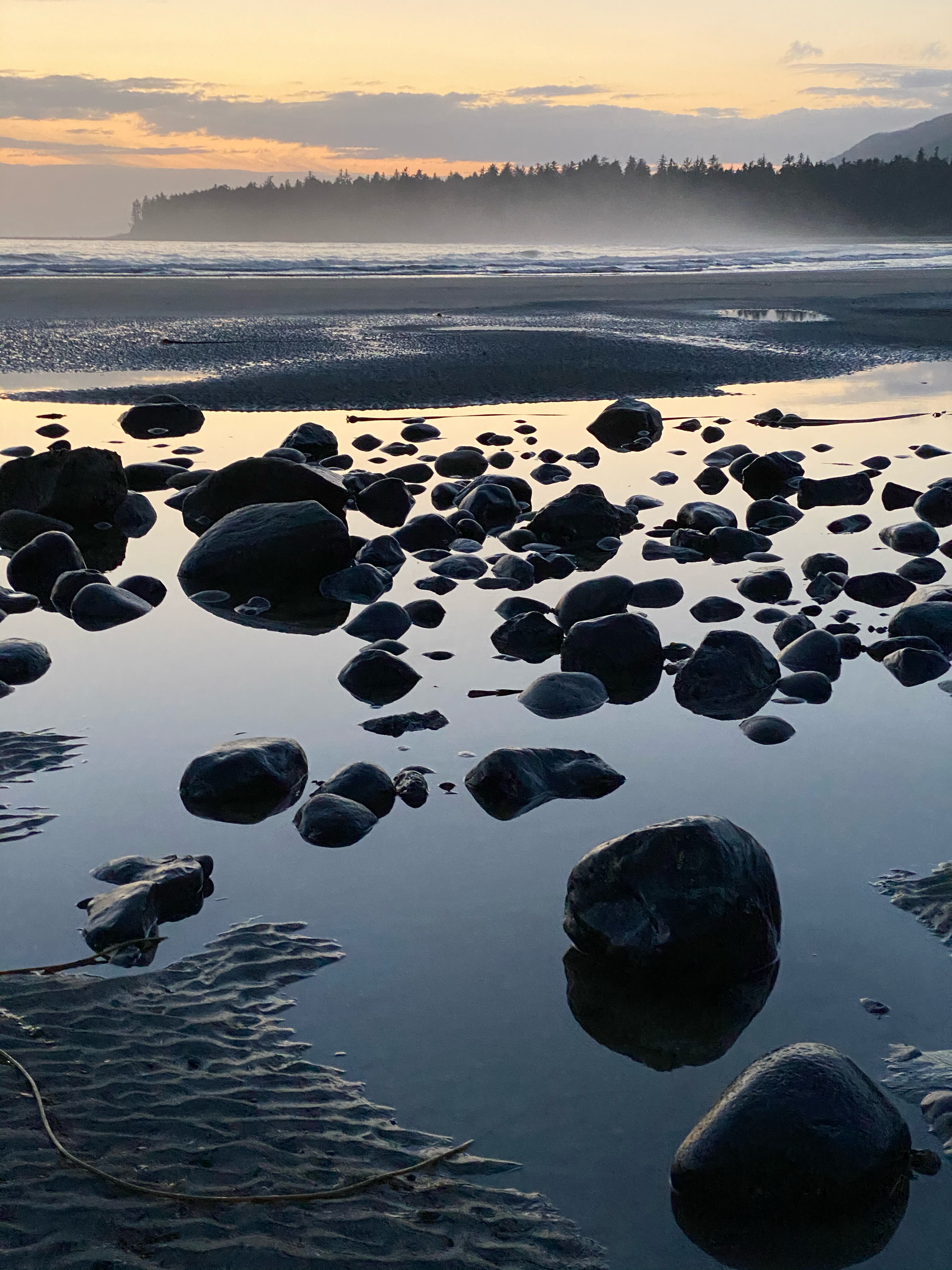
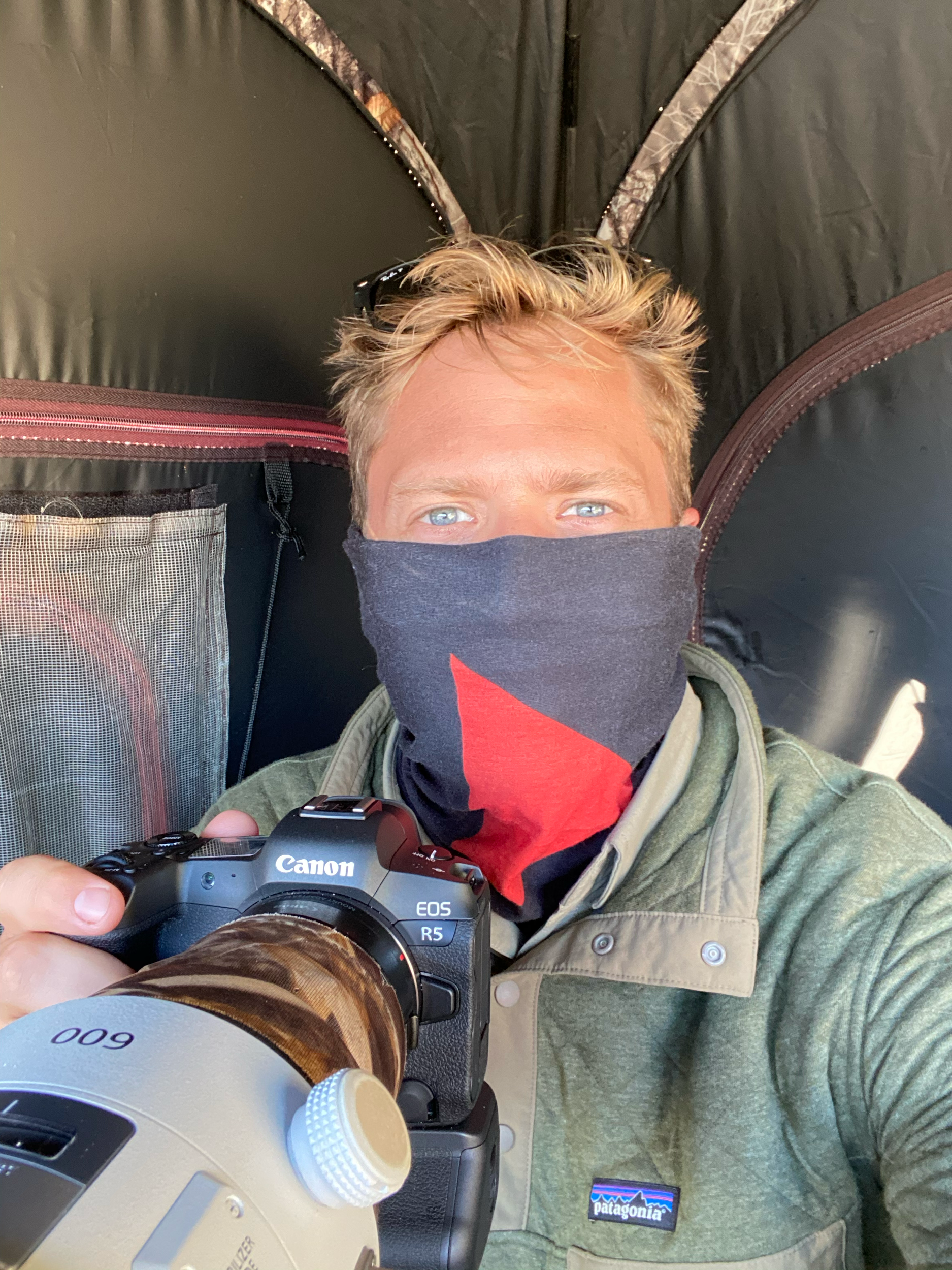
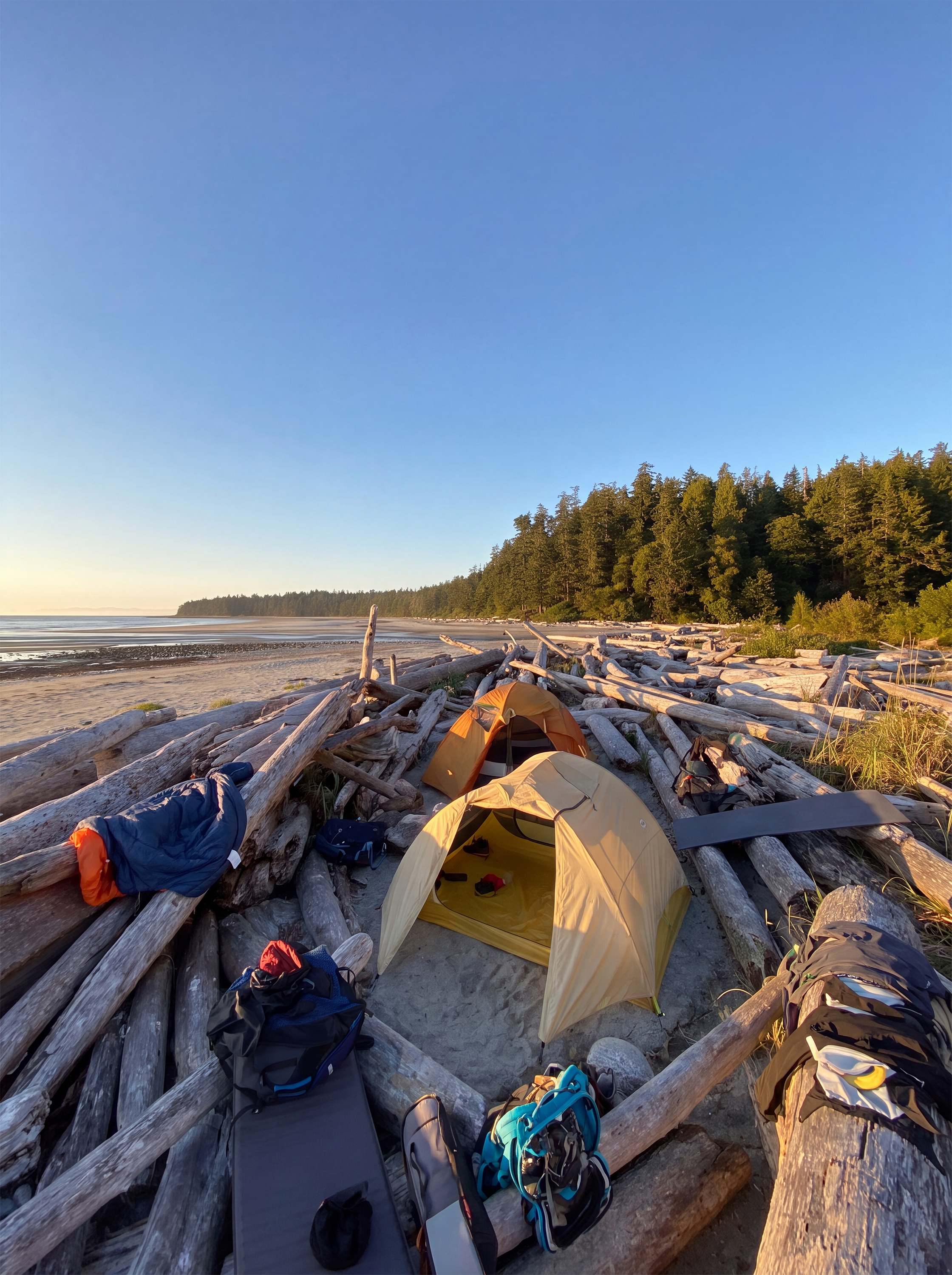
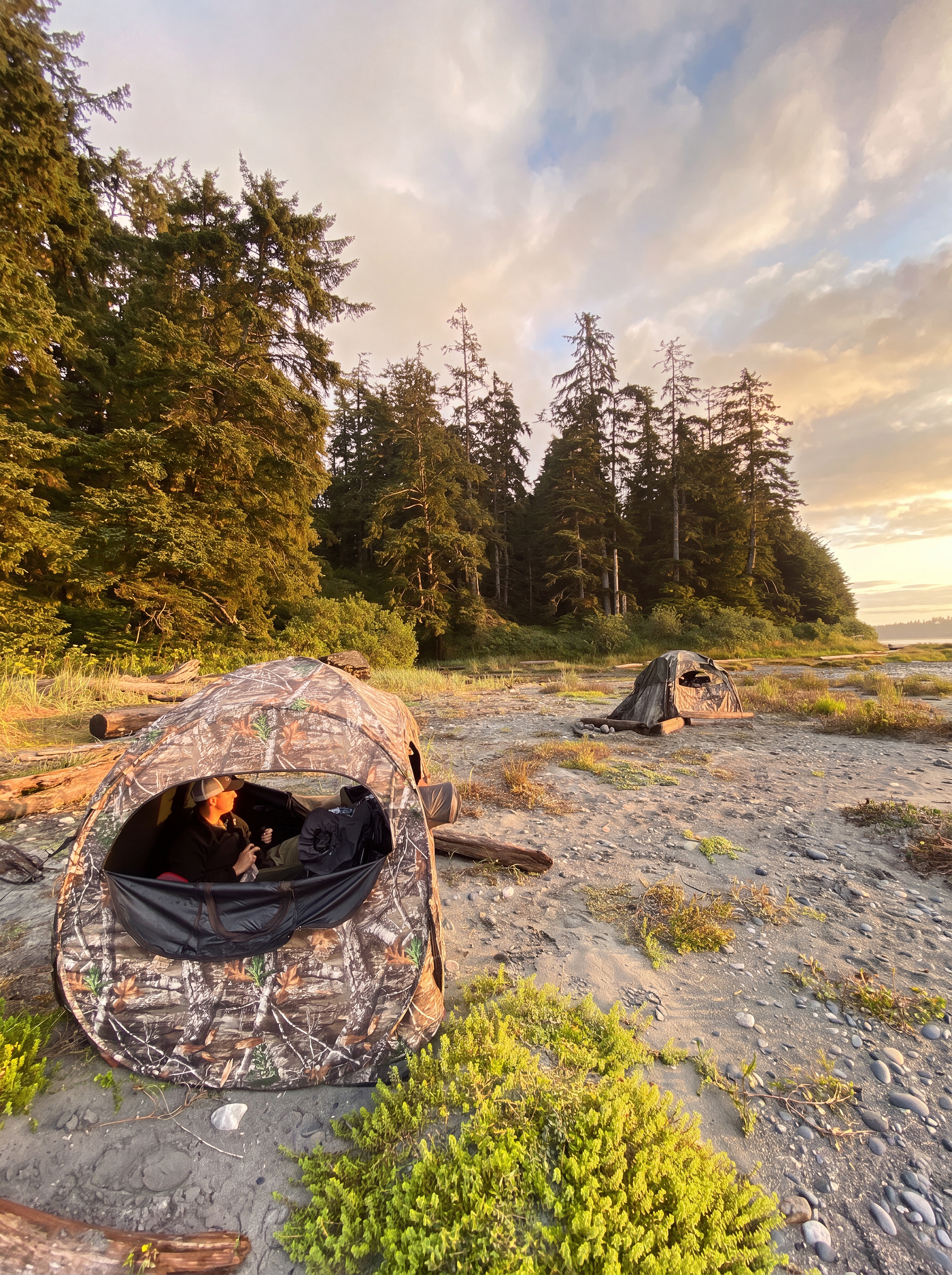
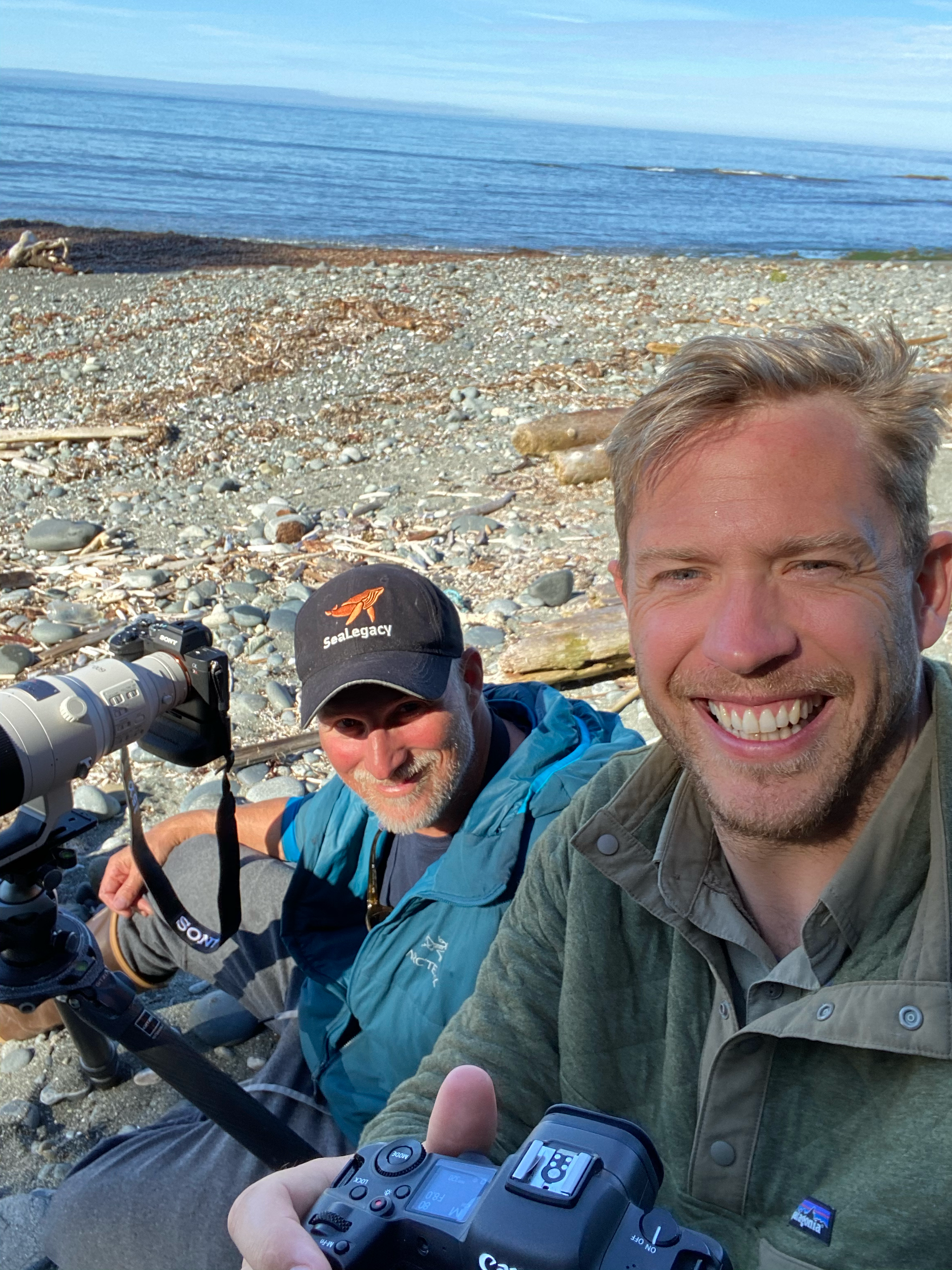
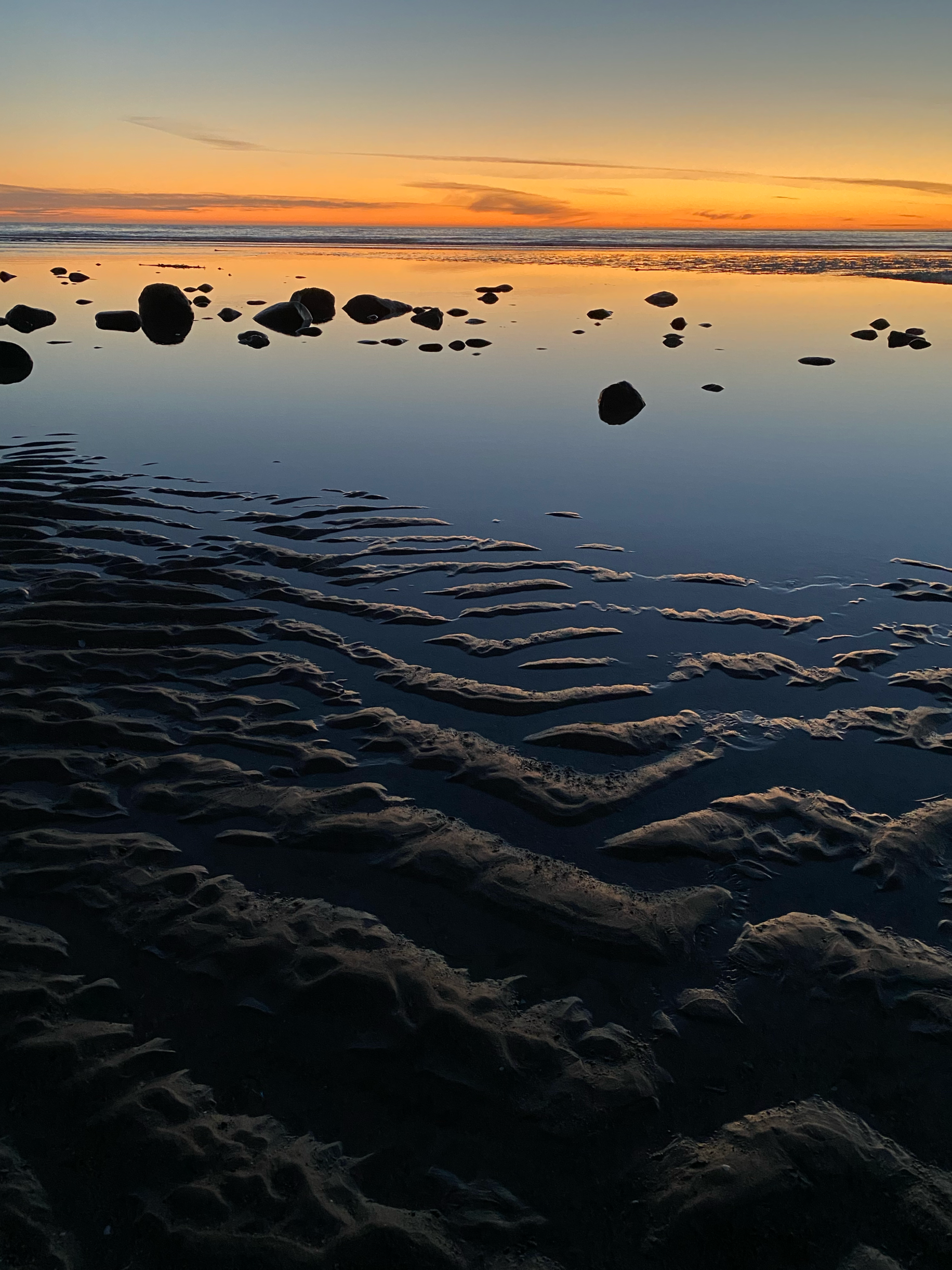
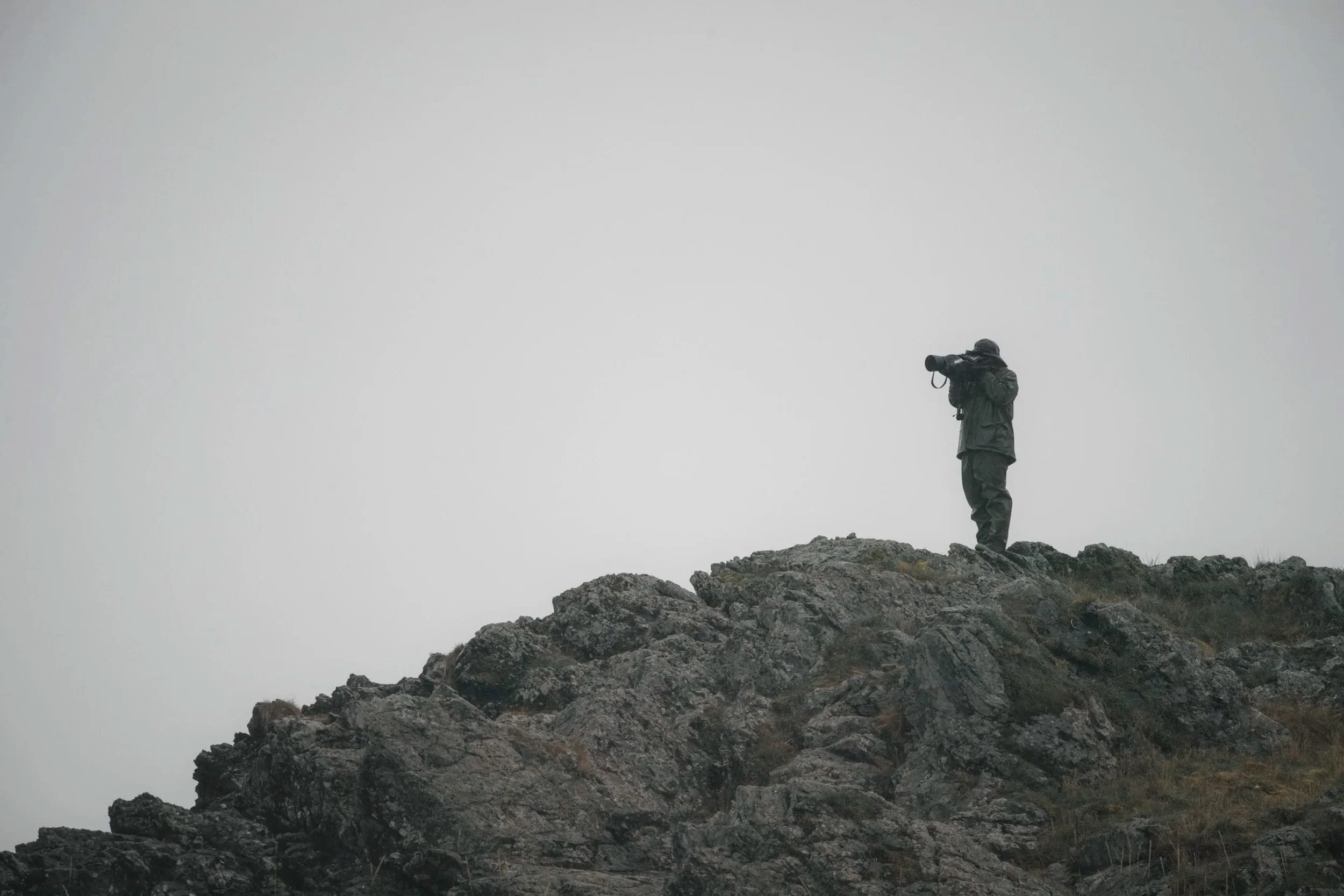
Shooting out here is hard, and getting to these places is half the battle. Most of the time the only way in is by plane. Either it drops us about five kilometres out and we spend the day hacking and hauling our gear through the rainforest to reach where we need to be, or it puts us straight down on the beach, which sounds like the easy option until you watch the wheels start to sink into the soft sand and realise how fast that can go wrong. Once the plane lifts off you are on your own. There is no road out and no set day to leave. You go when the weather lets you, and out here the weather does what it wants. You learn quickly that you do not run the schedule, the coast does.
Then its a battle between your gear, yourself and the elements. It rains for days, so many different types of rain, those huge big rain drops, that fine mist that gets you soaked instantly and of course the sideways rain that penetrates any hide. When it is not raining the sun and the heat come off the water at you, and either way there is the salt, always the salt, eating at the cameras and crusting on the lenses. You spend nearly as much time drying kit and cleaning lenses as you do actually shooting.
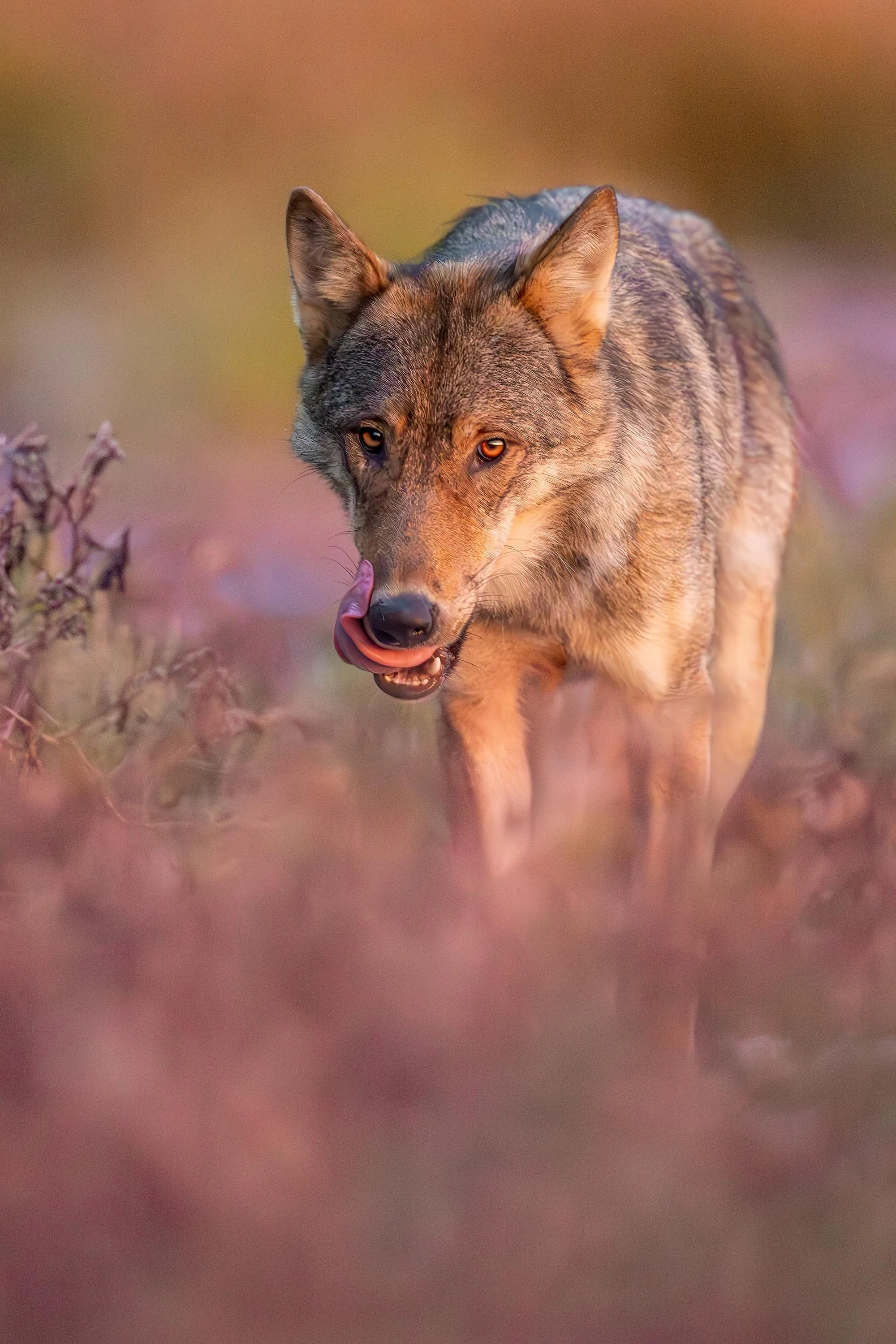
Most of it is just waiting. Long days folded into a hide, wet, stiff, hungry and quiet, watching one patch of shoreline for hours and hoping. Most of those hours give you nothing. The wolves come on their terms or not at all, and there is no making it happen. But every so often, after all the waiting and the wet and the not knowing, one steps out of the trees and looks straight at you, and every miserable hour that led to it disappears. That is the trade you make for pictures like these.